
Episode 619: Augustine Sedgewick
February 11th, 2026
Listen to Episode on:


Watch the Unabridged Interview:
Order Books
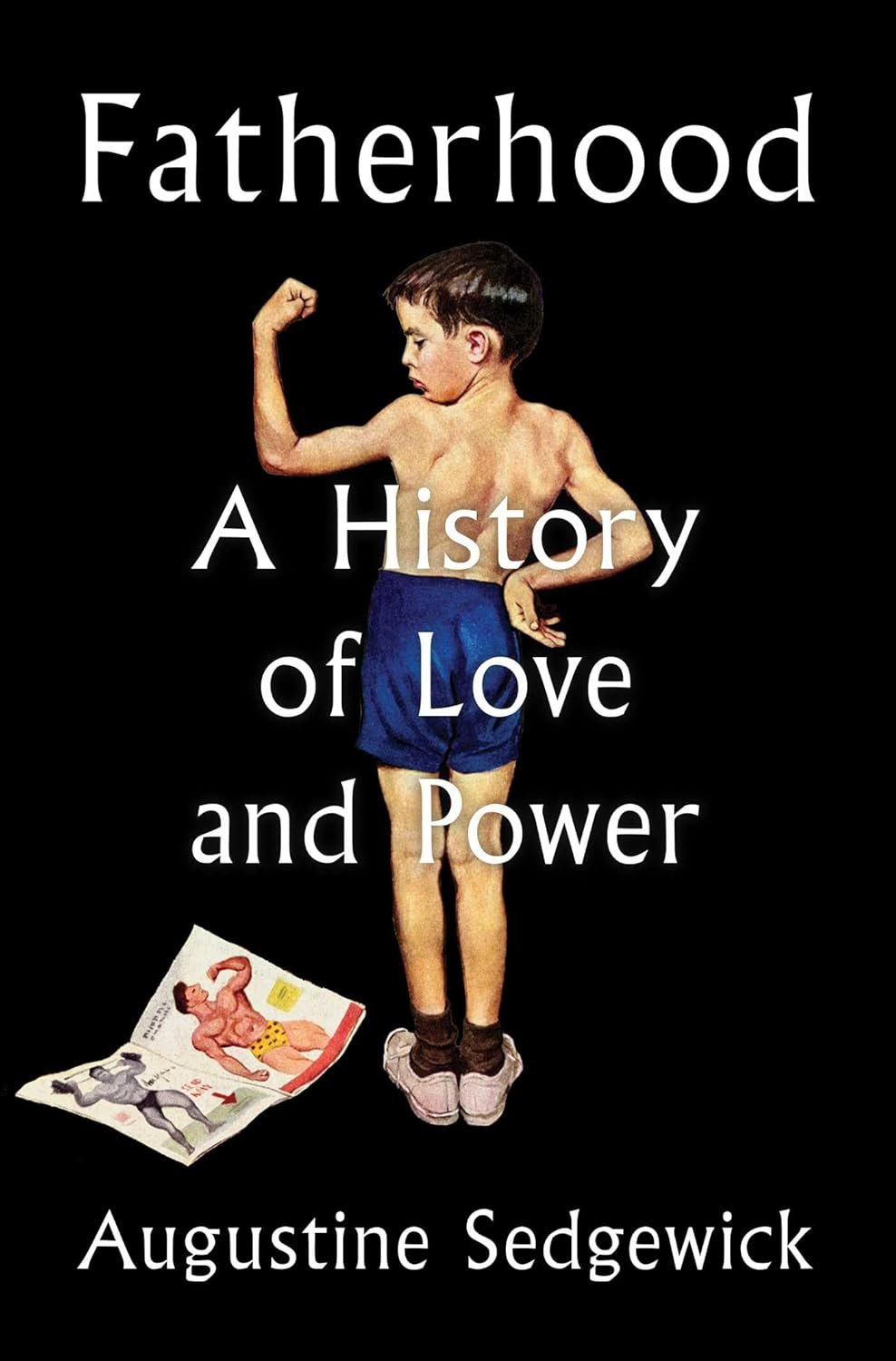
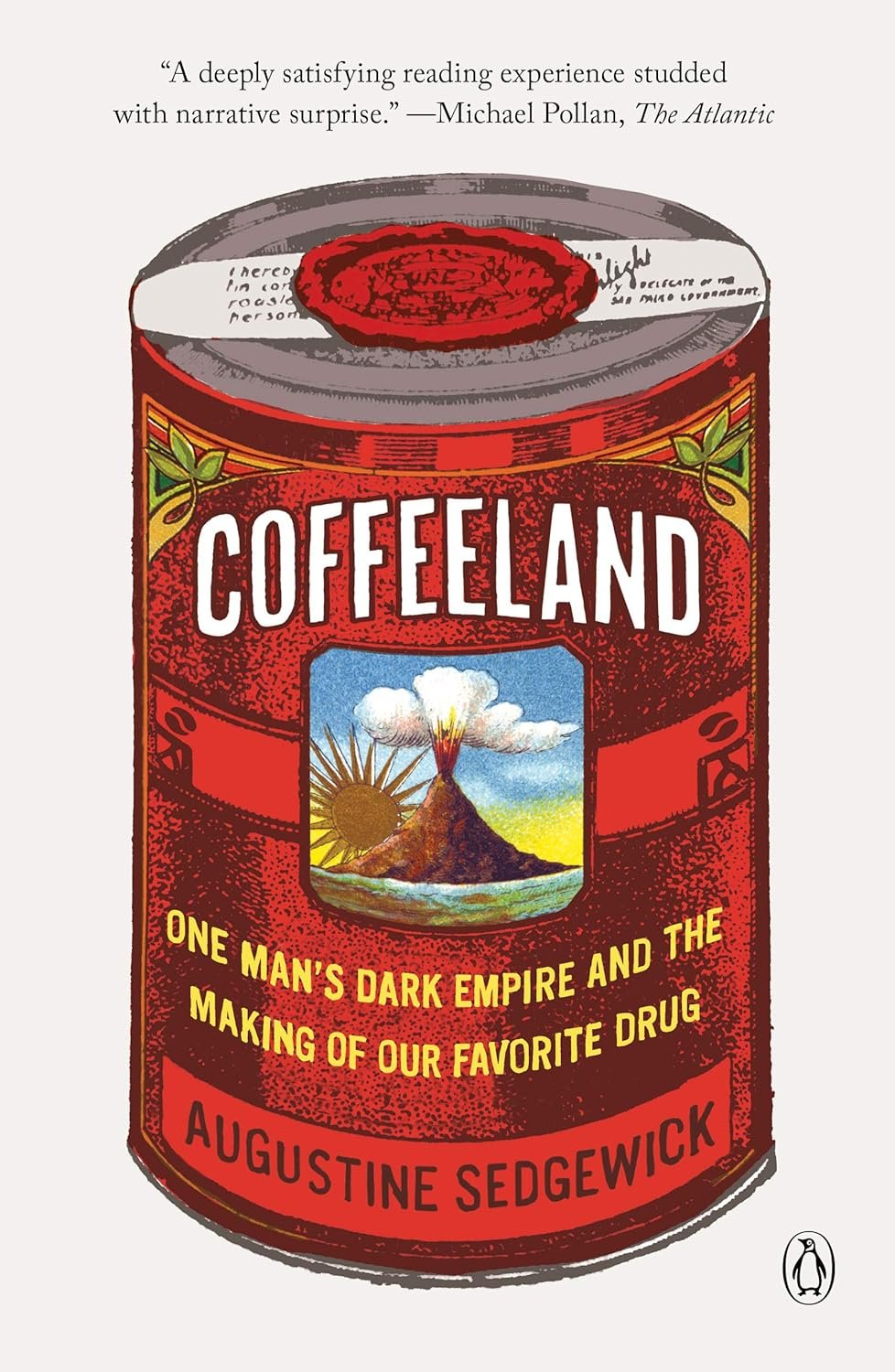
Fatherhood, Power, and History: Unpacking the Male Role in Society
When did society change from matriarchal to patriarchal and why? What was the advice on fatherhood from Plato and Aristotle, and how did other writers on the subject put one philosophy of fatherhood on the page but live a very different one in practice?
Augustine Sedgewick is the author of a couple of books, Fatherhood: A History of Love and Power and Coffeeland: One Man's Dark Empire and the Making of Our Favorite Drug.
Greg and Augustine start by discussing the lesser-explored history of fatherhood. Their conversation get into why the history of fatherhood may be understudied, the societal and cultural shifts impacting the role of fathers, and how historical figures like Saint Augustine, Rousseau, Jefferson, and even Thoreau have shaped modern perceptions of fatherhood. They also touch on Augustine’s first book, Coffeeland, for the economic and social structures underpinning the coffee industry, emphasizing the role of capitalism in shaping labor conditions, and Augustine reflects on his own personal journey through fatherhood and the influence of his historical research on his understanding of the subject.
*unSILOed Podcast is produced by University FM.*
Episode Quotes:
Patriarchy is not a loss for men
05:48: Obviously there has been some really great work on patriarchy. A lot of that has come from feminist historians. As a result, I think a lot of the greatest work on the history of patriarchy has been the history of the consequences of patriarchy for women, much fewer, much less work on the history of patriarchy and its consequences for men. I have come to believe that that is, we are in a moment where we hear often about the crisis of men and boys. And I actually think it is the best thing that men could do for themselves, be to learn something about the history of patriarchy and masculinity. Like, that would not be a loss for men. That would be an incredible gain if we could begin to understand where those ideas originate, how they have changed over time, and what they have cost us. I will say.
Fatherhood as a system of power
05:24: I think you could argue that fatherhood is the most widespread and arguably enduring form of social inequality and metaphor for power that we have in human societies.
Why father knows best was never humanly possible
18:22 There is almost plasticity built into that God-like mandate of father knows best, I will protect and provide, if you do what I say. Because I think what is interesting about that set of edicts and mandates is that it is impossible for human beings to fulfill. No one always knows best. No one can always protect; no one can always provide God-like jobs because they cannot be fulfilled by actual human beings. And so the process of fatherhood, historically, has been exactly negotiating the distance between those promises and the reality. Plasticity has been the required element there.