
Episode 662: Christian B. Miller

June 23rd, 2026
Listen to Episode on:


Watch the Unabridged Interview:
Order Books
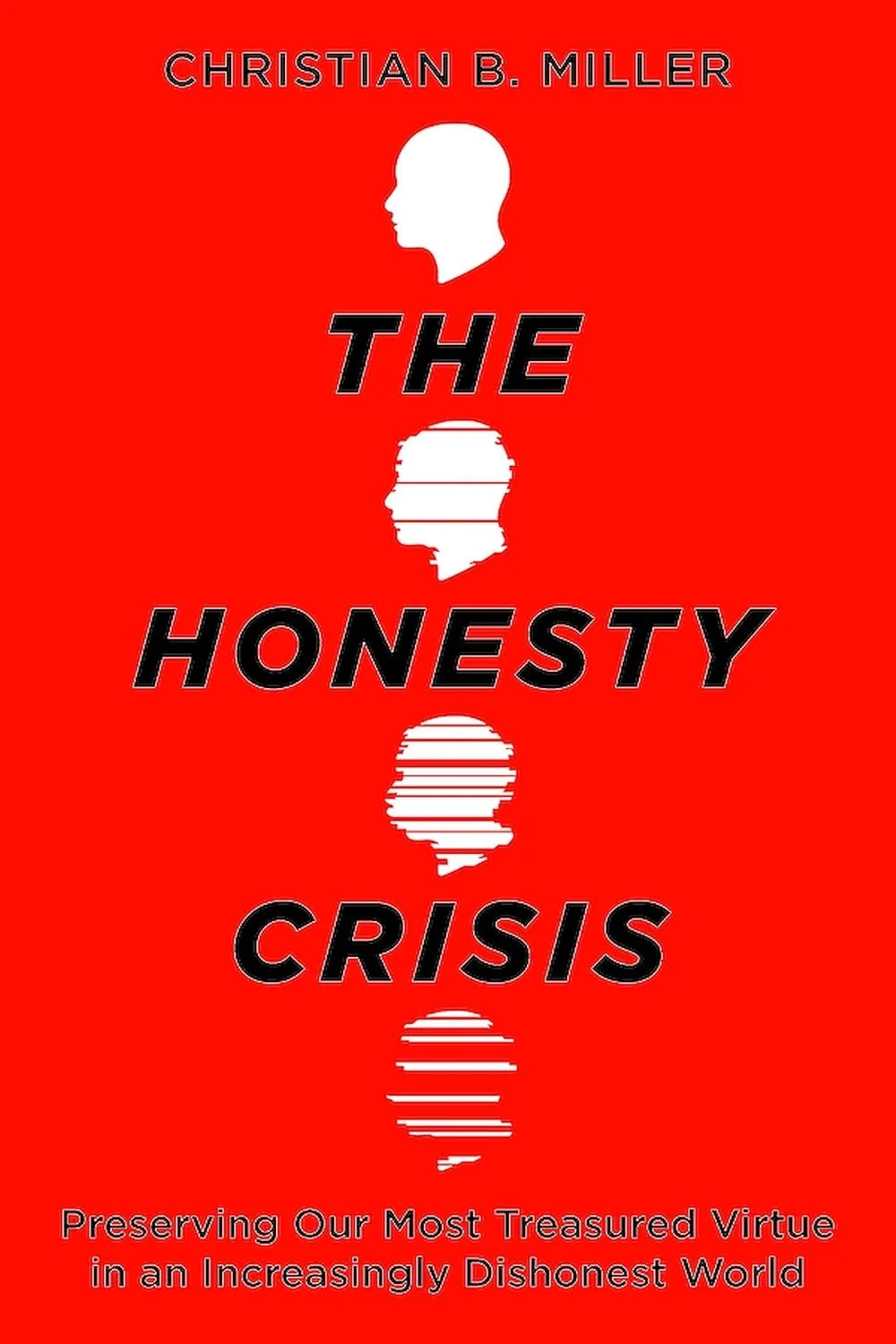
Exploring Honesty: Beyond Truth and Lies in the Age of Deception and AI
Christian B. Miller is the A.C. Reid Professor of Philosophy at Wake Forest University and the author of several books. His latest title is The Honesty Crisis: Preserving Our Most Treasured Virtue in an Increasingly Dishonest World.
Greg and Christian discuss what Christian calls ‘The Honesty Crisis.’ He defines honesty as a virtue involving both stable honest behavior (not lying, cheating, stealing, misleading, promise breaking, fraud, hypocrisy, self-deception, or “BS-ing”) and proper motivation (rooted in altruistic concern or duty, not self-interest). He argues honesty tracks subjective belief, so false statements can be honest and true statements can be dishonest, and discusses bullshitting, authenticity, excessive frankness, white lies and their costs, and the puzzle of self-deception.
Christian cites research suggesting most people default to truth-telling, but claims that multiple “honesty crises” are happening now where technology makes dishonesty easier to commit and harder to detect: AI cheating, deepfakes, internet infidelity, political misinformation, celebrity/influencer dishonesty, and plagiarism.
*unSILOed Podcast is produced by University FM.*
Episode Quotes:
The two features of an honesty crisis
35:08: An honesty crisis, any of those, is going to have two features. It's more tempting to be dishonest than it was before, and it's easier to get away with dishonesty than it was before. So it's important to highlight that it's not that there was never dishonesty in these areas. That would be silly. That would be a bad claim, dumb claim. You know, education is one of my areas. There's always been student cheating. It's that something has changed such that it's more tempting now to be dishonest than it was before, and it's harder for others to detach that dishonesty.
Is honesty one of the broadest virtues there is?
04:30: Honesty protects against lying, but it also protects against stealing, against cheating, against misleading, against promise breaking, fraud, hypocrisy, self-deception, BS-ing. There's a lot of moral territory it covers on the behavioral side. Maybe one of the broadest virtues there is.
Subjective truth vs. reality
05:57: Honesty tracks the subjective truth. It tracks how you see the reality, not necessarily how reality really is. I mean, ideally, of course, you want your subjective representation to line up with how reality really is. That's what we all want. But it doesn't always. And honesty tracks how you see the world, how you see reality, not necessarily how reality really is.