
Episode 639: Claude M. Steele
April 9th, 2026
Listen to Episode on:


Watch the Unabridged Interview:
Order Books
Understanding Stereotypes & How They Impact Us
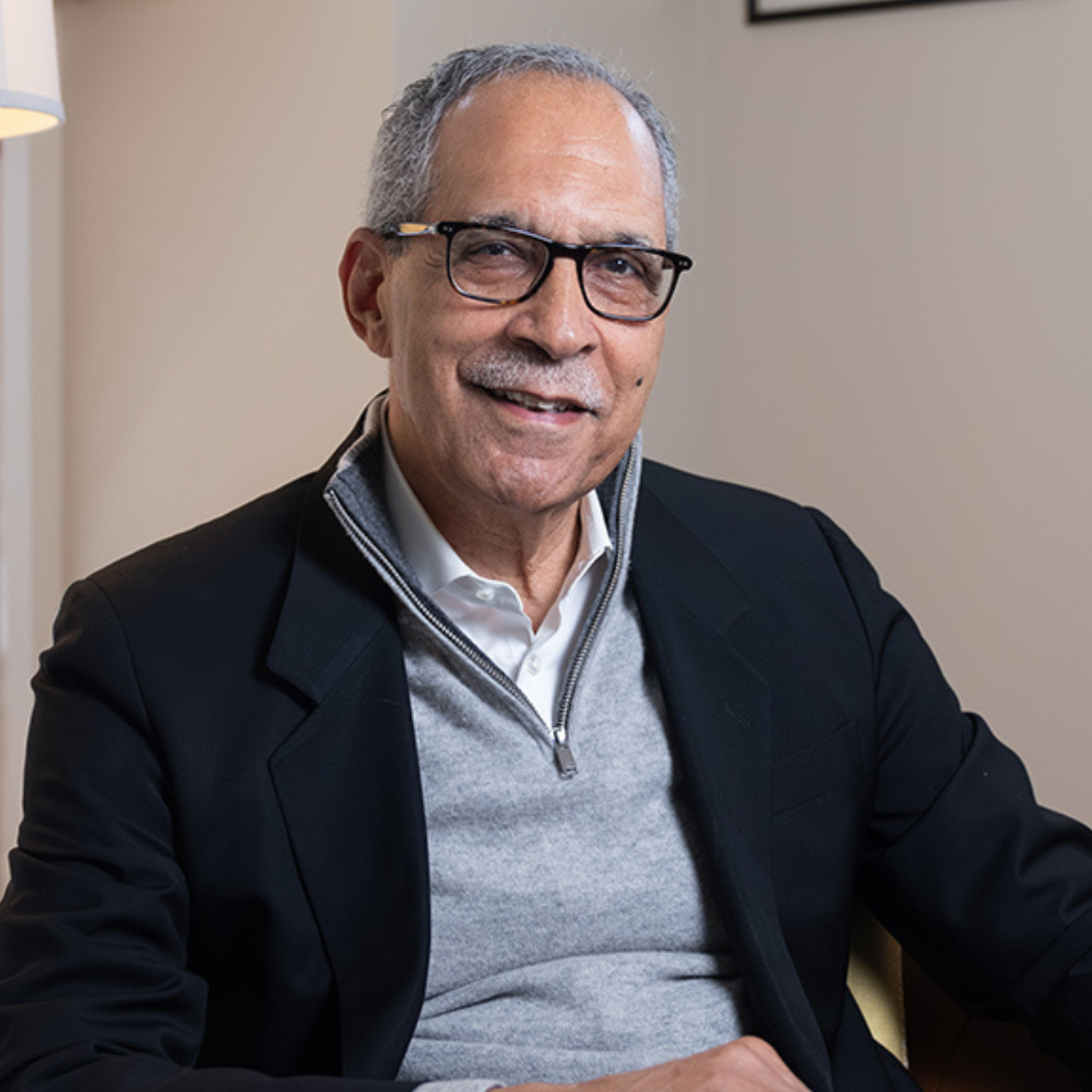
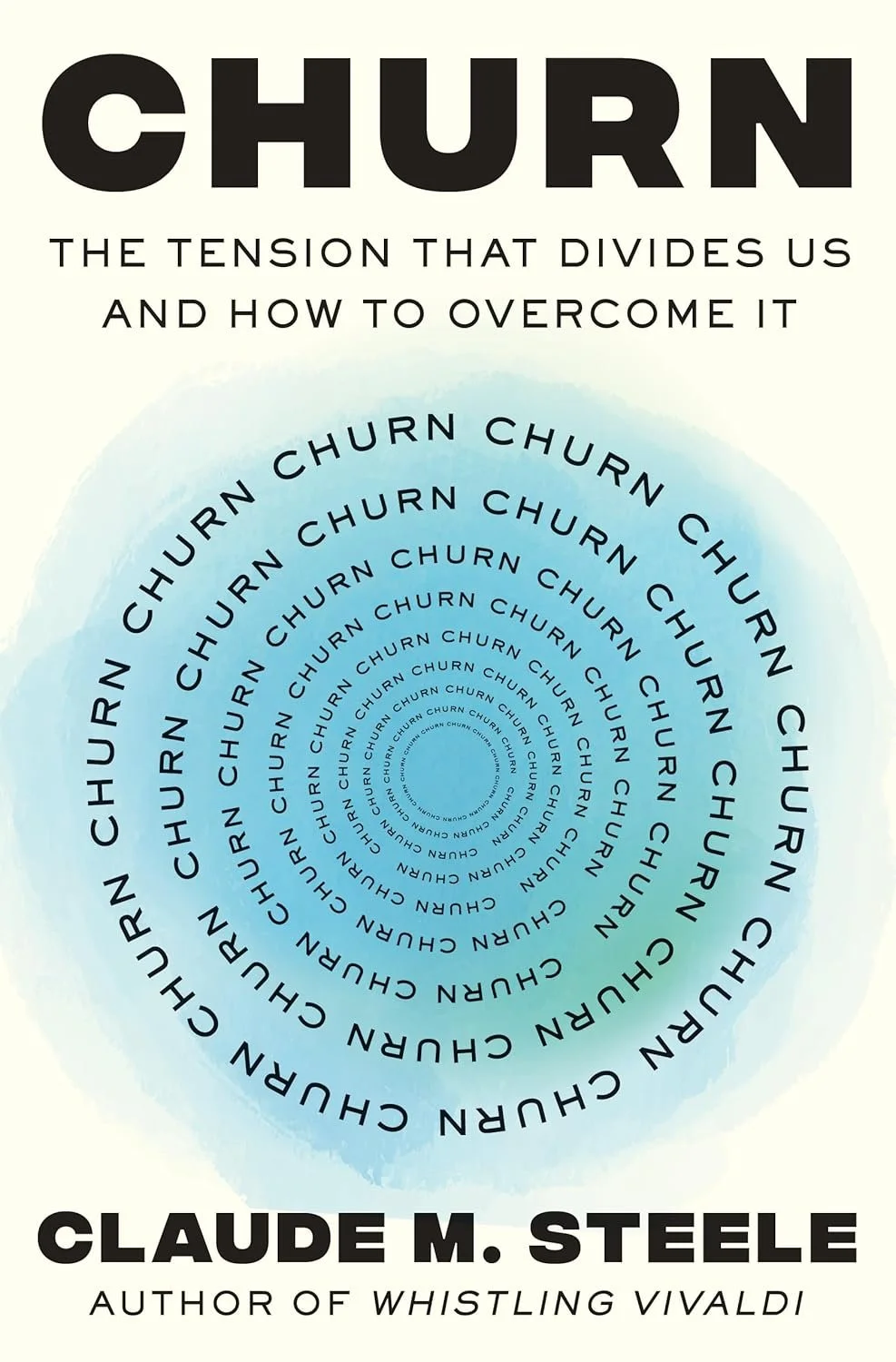
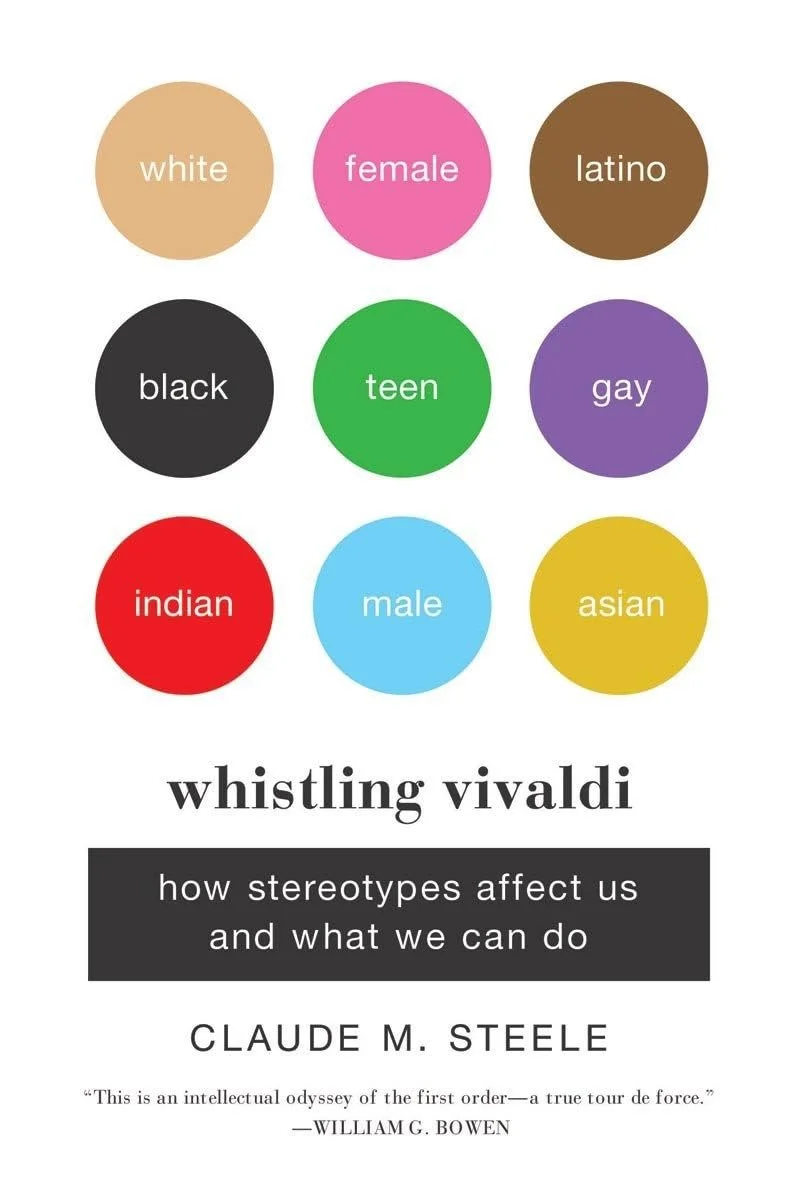
Claude Steele is a professor of psychology at Stanford University and the author of the landmark book, Whistling Vivaldi: How Stereotypes Affect Us and What We Can Do. His new book, Churn: The Tension That Divides Us and How to Overcome It, takes the theories from Whistling Vivaldi and examines the psychological stress that comes with navigating diversity.
Claude joins Greg to discuss his decades' worth of research on the concept of identity, the impacts stereotypes have on our cognitive load, even if we don’t subscribe to those stereotypes, the limits to “colorblindness”, the concept of “wiseness,” and why trust could be the antidote to the churn.
*unSILOed Podcast is produced by University FM.*
Episode Quotes:
The tension beneath how we come together
08:39: I'm trying to characterize, with the term “churn,” this sort of emotion that can be a real factor in our experience of diversity and our coming together. We're a multiracial, multi-ethnic, multi-religious, multi-class society. And to function well, we have to get along well in these critical situations—school, workplace—and churn is a symptom of the tensions that can arise.
Trust is the antidote of churn
10:10: The hopeful part of churn is that it does have a remedy, an antidote, and that is trust. As soon as we've built trust together, then I relax. Well, I know you're not going to do that.
How do you build trust?
29:13: You really do have to try to get yourself in the position of the other, to see the world from the other person's shoes. That really helps to build trust. Just the effort that you're interested in doing that is maybe the most fundamental step forward that a person in authority can take to build trust in people that work for them or work with them.
The limits of being colorblind
19:48: I think in many aspects of our society, it's absolutely essential. We have to think that way, that we have to have policing, healthcare access, housing, mortgages be colorblind. So, I'm uncompromising on many aspects of it, but I think if we take it too far, we can ignore the experiences that people have because of their identities. Yeah, just because of their identity. So, if we're colorblind, I don't need to know about all those things that affect your life that have to do with your identity.
Show Links:
Recommended Resources:
“Differences in STEM doctoral publication by ethnicity, gender and academic field at a large public research university” by Mendoza-Denton and Fisher
Guest Profile:
Faculty Profile at Stanford University
Former Provost Bio at UC Berkeley