
November 24th, 2026
Listen to Episode on:


Watch the Unabridged Interview:
Order Books
Breaking the Routine: Sabbaticals and the Modern Career Path
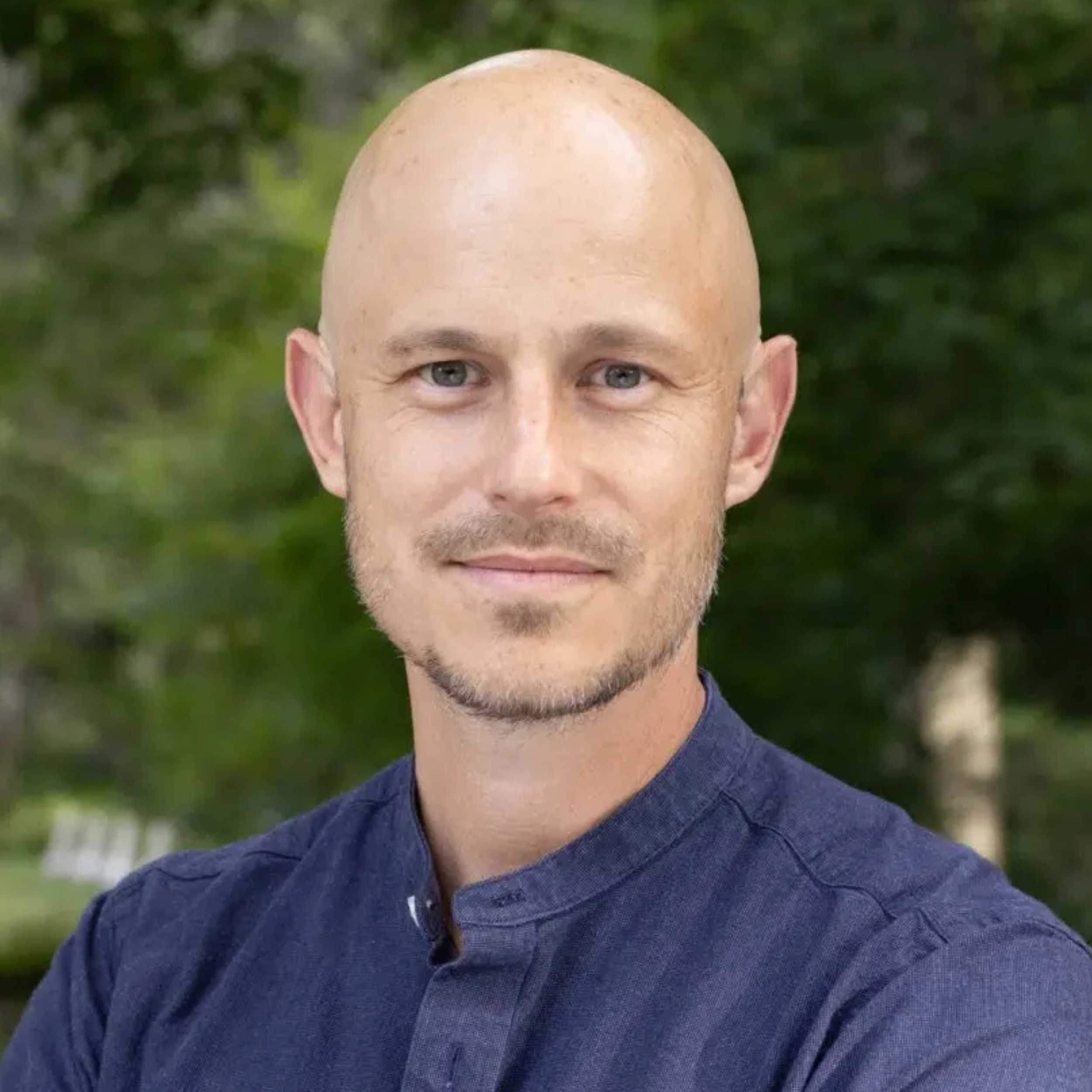
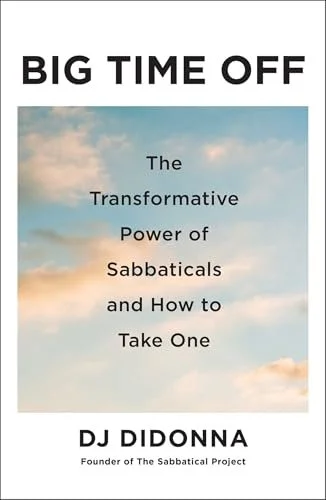
DJ DiDonna is a lecturer at the Harvard Business School, the founder of The Sabbatical Project, and the author of the connected book, Big Time Off: The Transformative Power of Sabbaticals and How to Take One.
DJ defines a sabbatical as an intentionally taken, months-long leave from one’s routine job that creates a life rupture for recovery and identity exploration. Greg and DJ contrast the historical roots of sabbaticals with modern, employee-driven breaks. They discuss why many sabbaticals are triggered by crises and how planning, savings, and employer policies can make them proactive.
DJ argues sabbaticals can improve creativity, boundaries, and organizational resilience through better onboarding/offboarding, and notes shifting norms such as LinkedIn’s career-break feature. They cover “sabbaticals in plain sight” like MBA programs and executive-in-residence roles, the value of high-effort recovery activities, the need for a detox period in the sabbatical to feel human again, and how always-on connectivity and burnout increase the case for Big Time Off.
unSILOed Podcast is produced by University FM.
Episode Guide:
00:00 Welcome and Book Intro
00:49 What Counts as Sabbatical
02:35 Origins in Academia
03:56 Modern Definition and Intent
05:52 Why Companies Offer Leave
09:17 Stigma and Norm Shifts
11:05 Career Tradeoffs and Upside
13:49 Sabbaticals in Plain Sight
16:04 Achievers and Recovery Work
18:02 Feeling Yourself Again
20:57 Planning Proactive Breaks
22:33 Using Crisis Time Wisely
26:31 Money and Optionality
28:36 Experiment Like an Entrepreneur
30:42 Travel Versus Stay Home
32:50 Privilege and Access Gaps
34:16 Reboarding Fast-Moving Work
37:50 Detox From Always On
41:41 Meaning Boundaries Purpose
45:21 Executive in Residence Value
47:42 Teaching Discernment Skills
49:54 Final Thoughts and Thanks
Episode Quotes:
Can sabbaticals help prevent employee burnout?
[08:01] A lot of companies are worried that people are going to leave after they get back from sabbatical, and I think of it more as a resilience training for companies, and you're really trying to prevent people from not wanting to work and not doing a great job at their job and have them be happier and more thriving longer. That creates great culture. It creates a sense of camaraderie among picking up and carrying water for someone who's leaving because you know that you're going to have that done for you as well. I think everyone's yearning for a little bit more of my company that sees me as a person outside of just the work that I do, and Gen Z and the younger generations have shown that they're willing to trade salary and compensation for flexibility and purpose and meaning.
Does where you spend your sabbatical matter?
[29:52] One of the biggest hangups for sabbatical takers is having their old life, kind of, intrude and interrupt any notion of change and space. And so I think being abroad, being in a different time zone, can help interrupt that process.
Why stepping away from work can help us see the bigger picture
[34:38] I think we saw even at the beginning, everyone was so certain about how AI would progress and like dump more money in compute, dump more money in compute, and then, a year later, people are like, "Actually, you need to train the models in a different way." And so I think we get caught up in the month-to-month, what is urgent, what is the belief right now, and a lot of times we miss the forest for the trees around getting perspective, where things are going, what's the right way to do things, and what's a new creative way to look at things. Otherwise, we're just all kind of swimming in a school or flying in a flock or whatever you want to describe it as.