
Episode 679: Elizabeth Dunn

August 27th, 2026
Listen to Episode on:


Watch the Unabridged Interview:
Order Books
Happy Spending and Joyful Climate Action
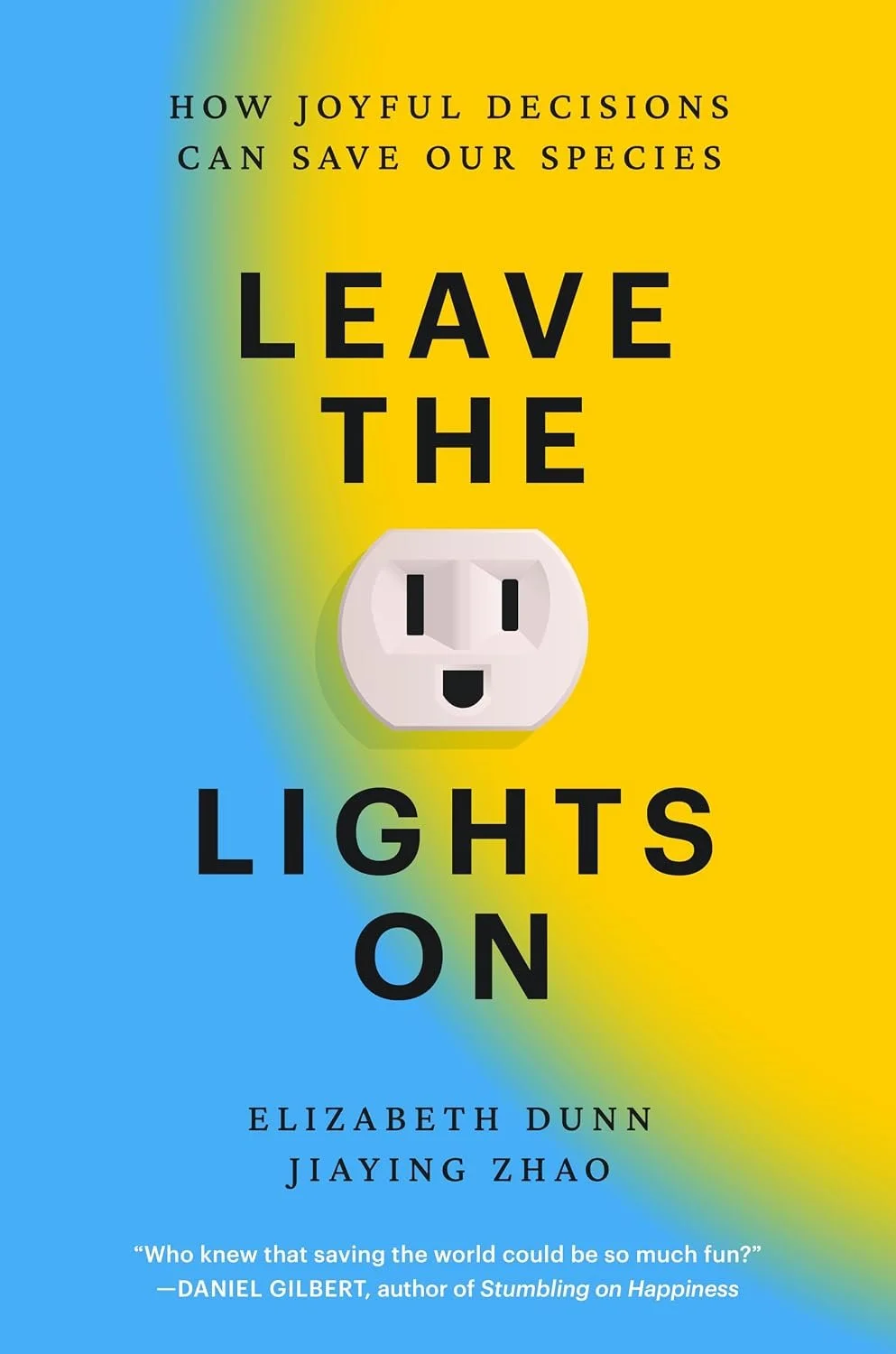
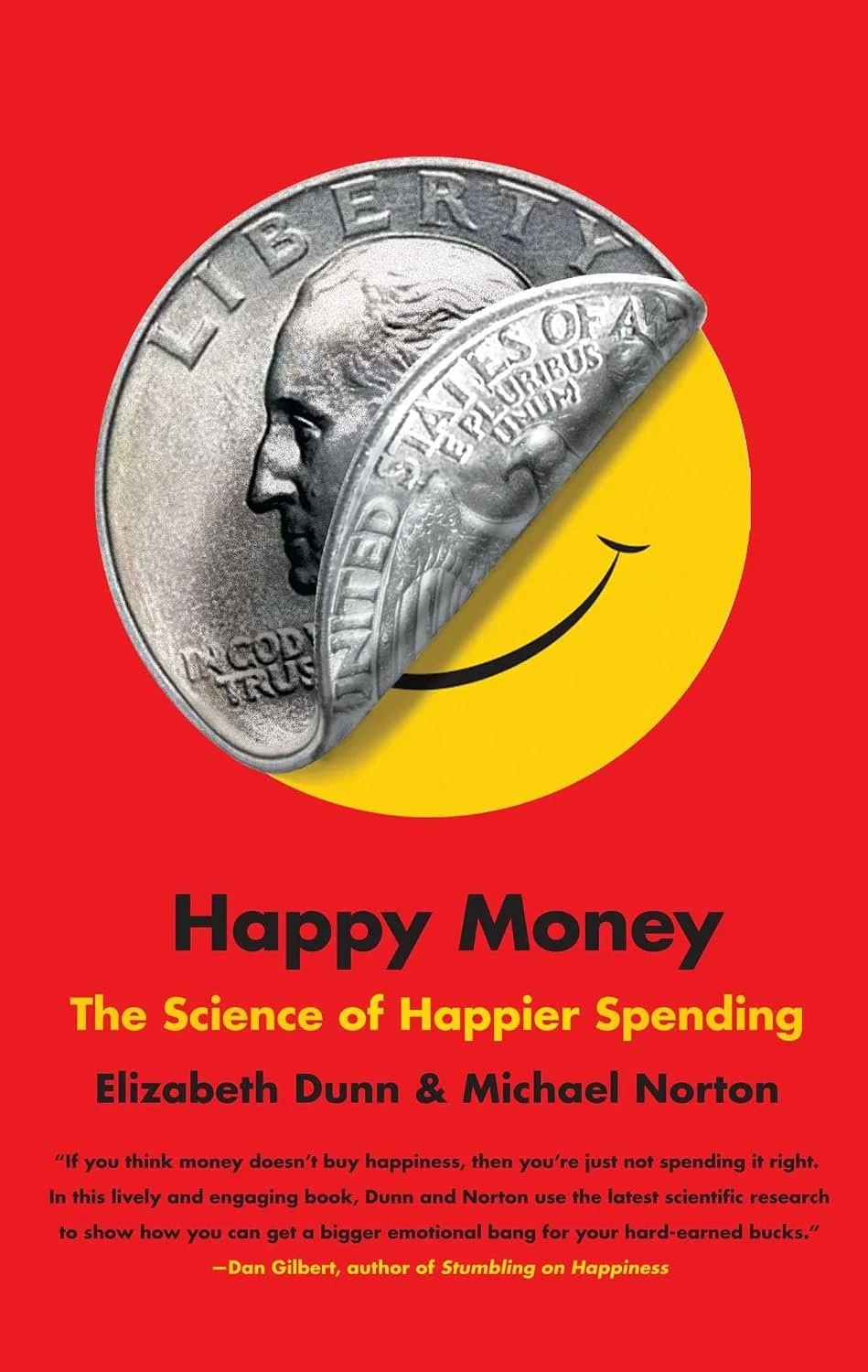
Elizabeth Dunn is a professor of psychology at the University of British Columbia, and director of their Happiness Lab. She’s also the co-author of two books, Leave the Lights On: How Joyful Decisions Can Save Our Species and Happy Money: The Science of Happier Spending.
Greg and Elizabeth discuss how her work links common errors in forecasting happiness with misunderstandings about carbon impact. Elizabeth argues that experiences generally bring more lasting joy than material goods do because of comparison and hedonic adaptation. However, savoring and creating scarcity can renew enjoyment. She shares experiments showing people become happier when spending money on others, with studies where participants were given cash and a TED-backed $10,000 project where other-focused spending and charitable donations produced the greatest happiness.
On climate, Elizabeth says guilt and fear exhaust people, and a better plan would be “more math, less moralizing,” focusing on high-impact actions like commuting choices, housing size and location relative to work, and travel decisions (nonstop flights, carry-on). She also debunks myths about straws and individual AI use, highlights contagious positive behaviors like solar adoption, defends having children, and emphasizes voting and civic action as key ways to make a difference alongside individual change. And for curious car fans, Greg’s college and current car is a 1983 Mercedes 240d, which is described as a legendary, over-engineered diesel sedan built on the indestructible W123 platform.
*unSILOed Podcast is produced by University FM.*
Episode Quotes:
Why time is more valuable than money
37:27: People who prioritize time over money end up happier than people who prioritize money over time. So, for example, we followed students who were graduating from the University of British Columbia. We measured whether they tended to prioritize time or tended to prioritize money, and what we discovered was that students who reported prioritizing time at the end of their university career ended up happier one to two years after graduating, and that was because they chose to engage in more intrinsically enjoyable activities, like choosing a graduate school or a job that they found intrinsically enjoyable and motivating. And I would just say on sort of the climate side of things, for many people who care about climate change, being able to take a job that enables them to contribute on this topic is something that could be really valuable.
How climate action can make us happier
29:09: Climate change is scary, and it is something that can make people very concerned, but recognizing this threat is actually a wonderful opportunity to change our lives in ways that can actually make us happier.
On focusing on what actually matters
30:05: Since actually doing all of this research and learning a lot more about climate change, what I've learned is that I could actually leave all the lights on in my two-bedroom condo for the rest of my life, and the carbon emissions would be equivalent to eating 13 hamburgers... And so some of the things that people are kind of wagging their fingers about don't really matter, and there are all these other actions that really do matter that are quite impactful and can actually make us feel good. And, in fact, we don't need to shame other people into doing them.