
Episode 606: George Selgin

December 15th, 2025
Listen to Episode on:


Watch the Unabridged Interview:
Order Books
The Great Myth of The New Deal & Its Lingering Economic Impact
Despite its long-held place in history as the lynchpin of America’s recovery from the Great Depression, what if the New Deal did more to hinder the country’s recovery than help it?
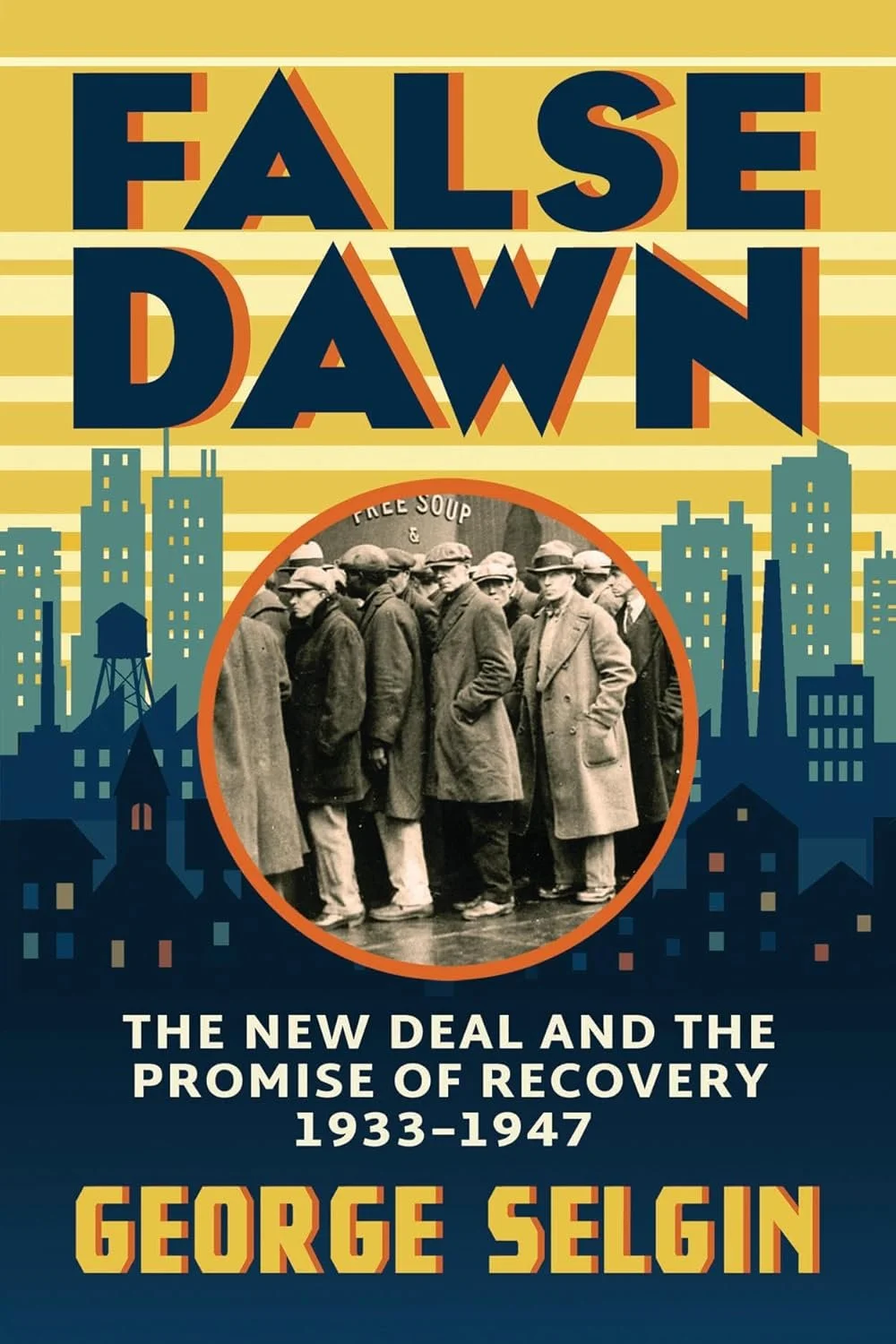
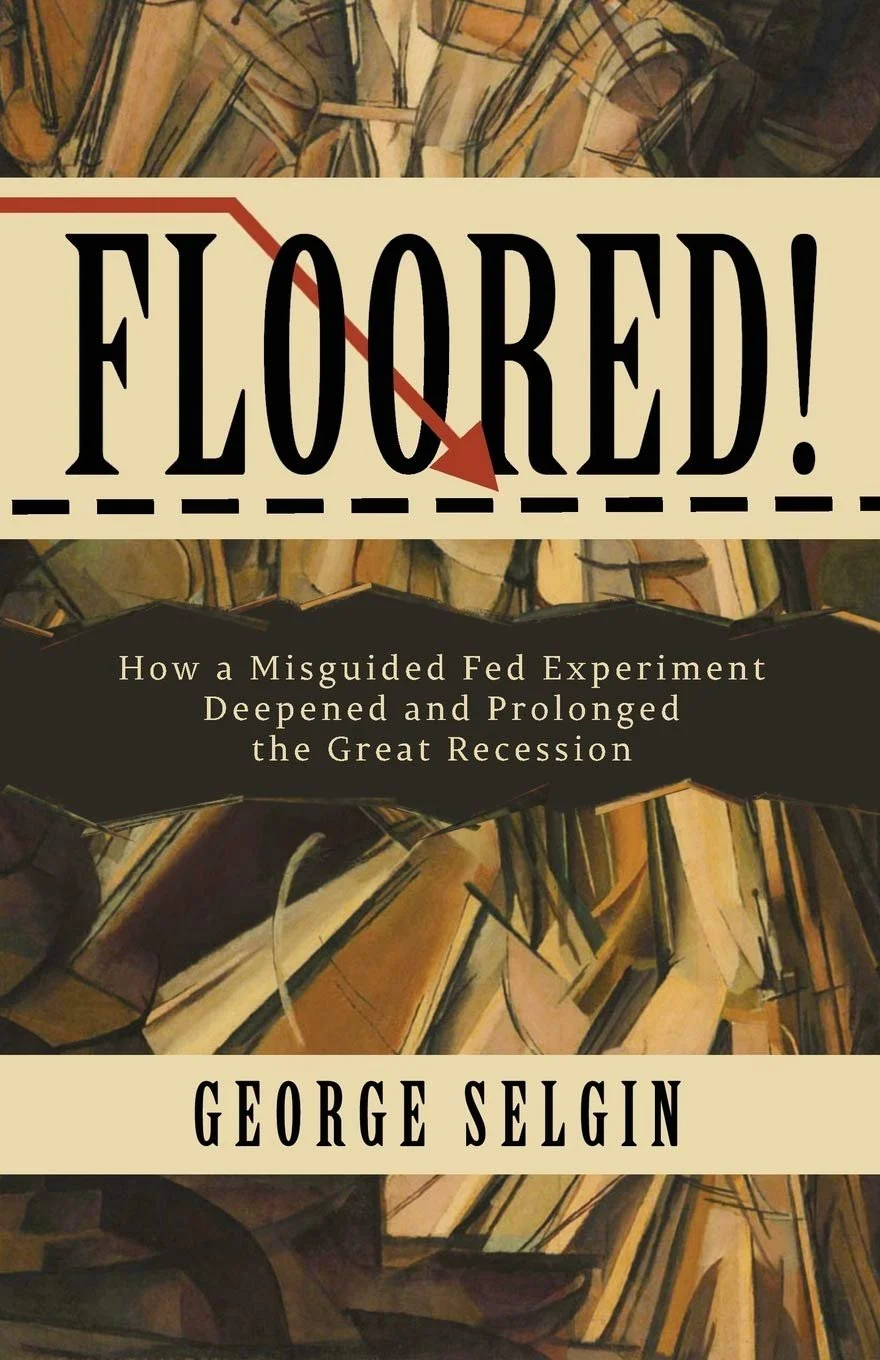
George Selgin is a professor emeritus of economics at the University of Georgia and former director of the Center on Monetary and Financial Alternatives at the Cato Institute. His books like, False Dawn: The New Deal and the Promise of Recovery and Floored!: How a Misguided Fed Experiment Deepened and Prolonged the Great Recession, examine macroeconomic theories through the lens of key moments in monetary history.
In this conversation, Greg and George dive deep into the inner workings of The Great Depression, covering the biggest misconceptions surrounding the New Deal's role in ending the crisis, why many of President Roosevelt’s policies were counterproductive, and how pre-existing, international factors impacted the U.S.’s recovery.
*unSILOed Podcast is produced by University FM.*
Episode Quotes:
The myth of New Deal wisdom
47:17: The thing that people have to remember when they are inclined to think, oh, you know, we need to look back at the New Deal and all the wonderful things they did to end the Depression. They knew so much, you know, they had all these experiments. No. We know a lot more about how to fight recessions and depressions than they did because we know that fiscal and monetary stimulus are our best hopes. And those were two things that the Roosevelt administration did not put much, if any, emphasis upon. And that, of course, just hearing that should give a lot of people second thoughts about how helpful the New Deal was. They did a lot of stuff, but they did not do the main thing we rely on now. The main things, they did not promote monetary stimulus, and they did not promote fiscal stimulus except somewhat, reluctantly.
Keynes vs. the New Dealers
59:39: I certainly believe that if Keynes’s advice had been followed instead of what the New Dealers did, that the Depression would have ended much sooner than it did in the United States.
The downside of "bold experimentation"
35:56: Roosevelt made two statements that were probably the least, the two main unambiguous things he said, one of which turned out to be a very accurate description of what his administration would end up doing. And the other one of which would be a very inaccurate statement. This is all in the course of the campaign. The accurate statement was when he said that his administration planned to go about addressing the Depression through bold experimentation. And that is absolutely true. There was a lot of trial and error. And the problem is, as I say in my book, you know, the problem with bold experiments is they often fail.
On war clouds and gold flows
45:41: What keeps gold flowing in for the rest of the decade, and more and more of it as time goes on, is Hitler's rise to power and the, the gatherings war clouds that eventually have many, many Europeans thinking, I do not think this is place, this place is safe for our gold. And as long as they could, taking it and shipping it to the United States, where now after the suspension of the gold standard and the devaluation, the treasury alone is buying all the gold.
Show Links:
Recommended Resources:
Guest Profile:
Faculty Profile at University of Georgia
Professional Profile at the Cato Institute
Professional Profile on LinkedIn
Profile on X