
Episode 648: Iain McGilchrist

May 5th, 2026
Listen to Episode on:


Watch the Unabridged Interview:
Order Books
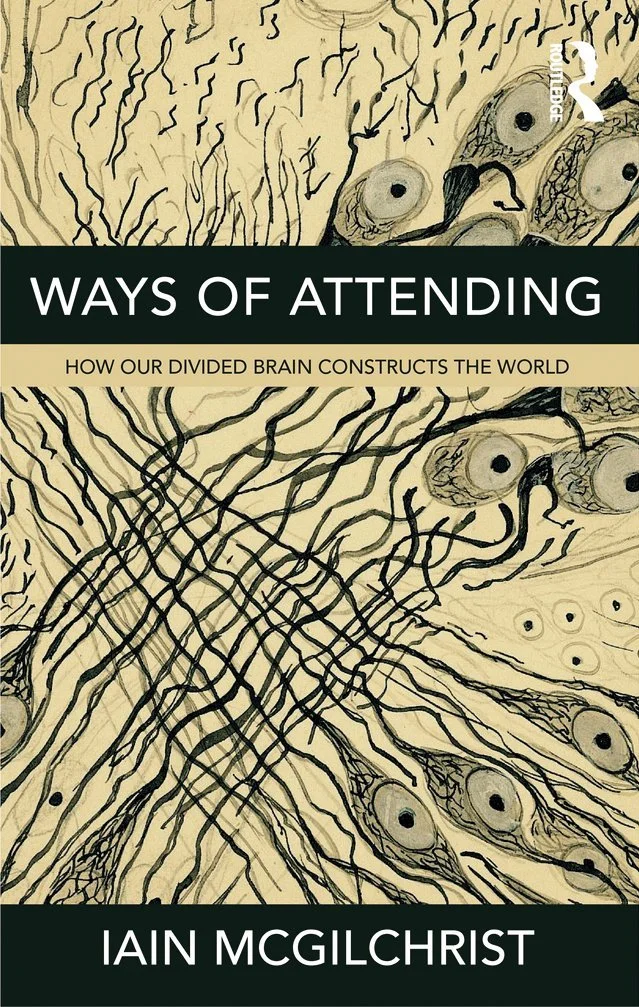
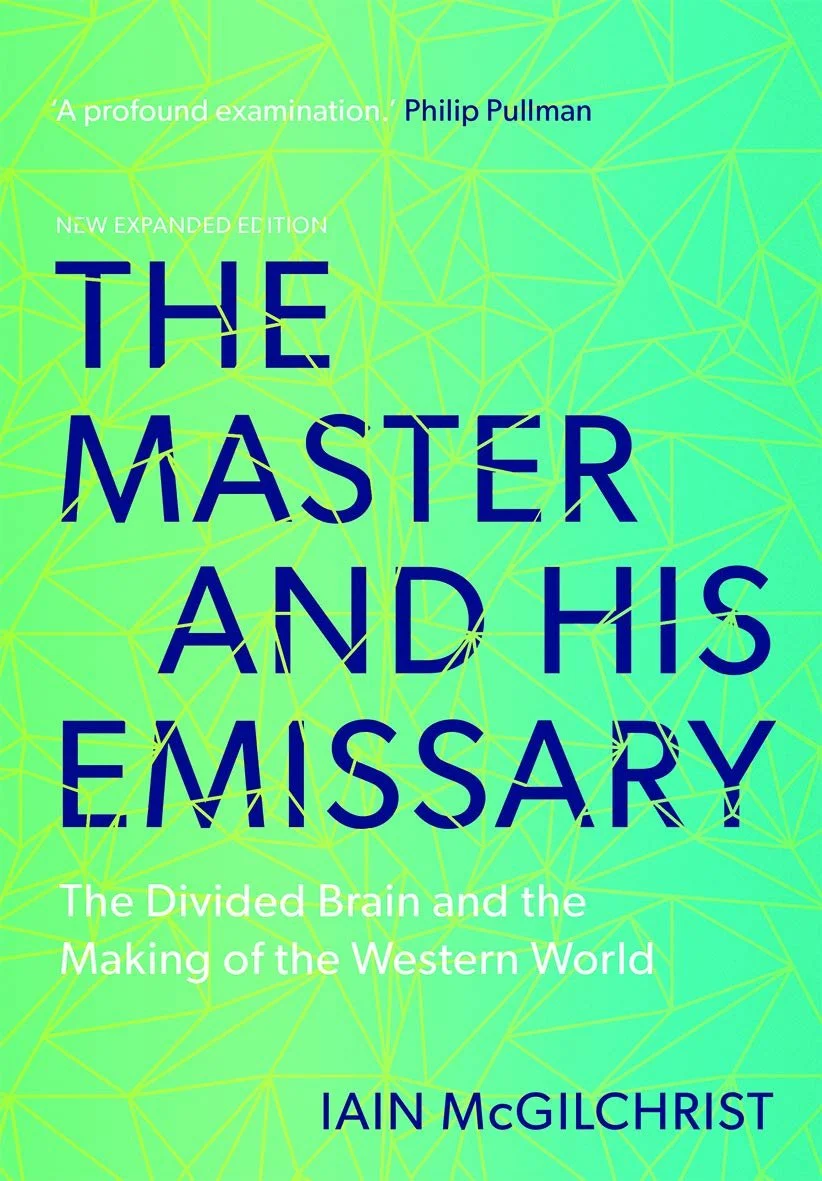
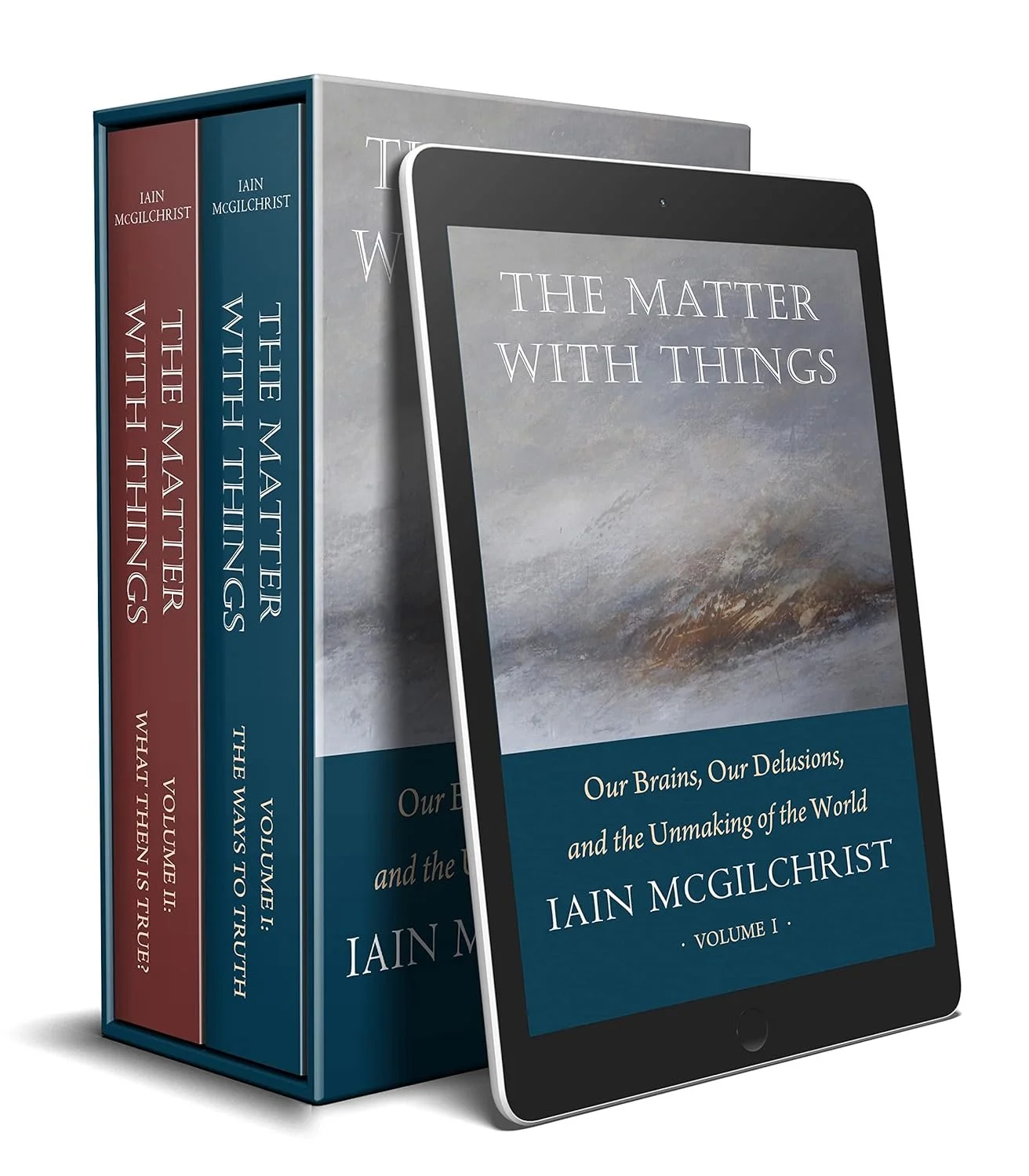
Civilization’s Imbalance and Restoring the Humanities: The Divided Brain
Iain McGilchrist is a former fellow at Oxford University and the author of a few books, including Ways of Attending: How our Divided Brain Constructs the World, The Matter With Things: Our Brains, Our Delusions and the Unmaking of the World, and The Master and His Emissary: The Divided Brain and the Making of the Western World.
Greg and Iain discuss Iain’s work on hemispheric differences in the brain, especially in The Master and His Emissary and The Matter with Things. Iain argues the left and right hemispheres embody distinct modes of attention—narrow, acquisitive focus versus broad, open vigilance—and that how we attend changes what we perceive. He rejects pop-psychology stereotypes and contends the right hemisphere “sees more” and should guide the left, which is useful but prone to delusion when dominant.
Iain traces three Western cycles where early cultural flourishing gives way to left-hemisphere domination and civilizational decline, linking this to bureaucracy, organizational “exploit” drift, and modern metrics-driven thinking. They also discuss metaphor’s centrality to science, AI’s limits, mental-health decline, internet-driven polarization, and reforms to universities to revive the humanities alongside science.
*unSILOed Podcast is produced by University FM.*
Episode Quotes:
Imaginations needs a maintenance of open attention
17:57: See, imagination is misunderstood. It's not about brainstorming and writing down every silly thing that comes into your head. Imagination is about seeing something below the level that is immediately accessible to the conscious mind and listening to that and responding to it, and pursuing it, and allowing something to grow. Now, that requires patience, time, and a continuing maintenance of open attention. Once it gets closed down, you've lost it. So that's one reason that it won't work. And the other is that if you've got too many people involved in the bureaucratic side, that's not going to work well either. There are specializations, and take the hint from nature. They are so different that they do need to be kept distinct if you're going to survive.
Your attention shapes your reality
40:05: It is certainly true that there is a constant dialogue between our minds and the world. The world influences the mind and the brain, and the mind and the brain, having been influenced, in turn influence the world around us. So we can get locked into a vicious cycle in which we see things in a certain limited way, and we think that's all that there is. And so that feeds back to that being the only right way to think.
Science is based on nothing but metaphors
30:32: Science is based on nothing but metaphors. It is entirely metaphorical. And that's not a mistake or a problem, because it can't avoid—I mean—the alternative would be to say nothing. But it has to say it's like this. And metaphor is saying this thing can be understood by likening it to something else. And the problem is that scientists don't realize that they're using metaphors and that their metaphors both dictate what it is they can see and how they see what it is that they do see. So, models, which science can't work without, are simply elaborated metaphors.