
Episode 636: James Hankins

April 1st, 2026
Listen to Episode on:


Watch the Unabridged Interview:
Order Books
Rediscovering Virtue the Renaissance Way
It’s one of the oldest debates in political philosophy: Do good laws make good men, or do good men make good laws? Minds have been wrestling with this question since the days of Petrarch and Machiavelli, but both sides may have insights that can inform modern political philosophy.
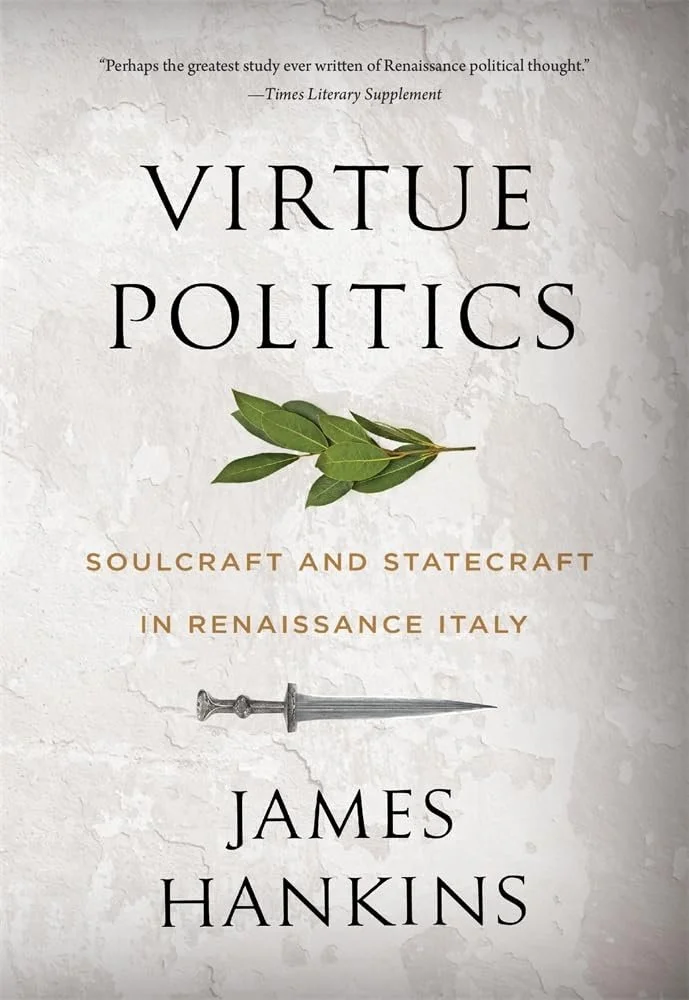
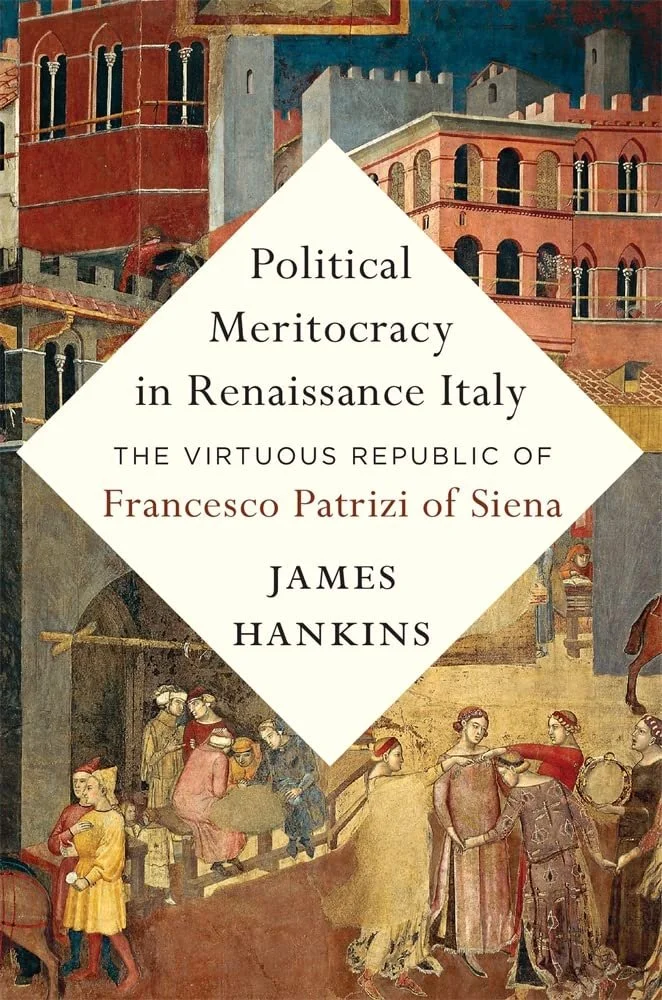
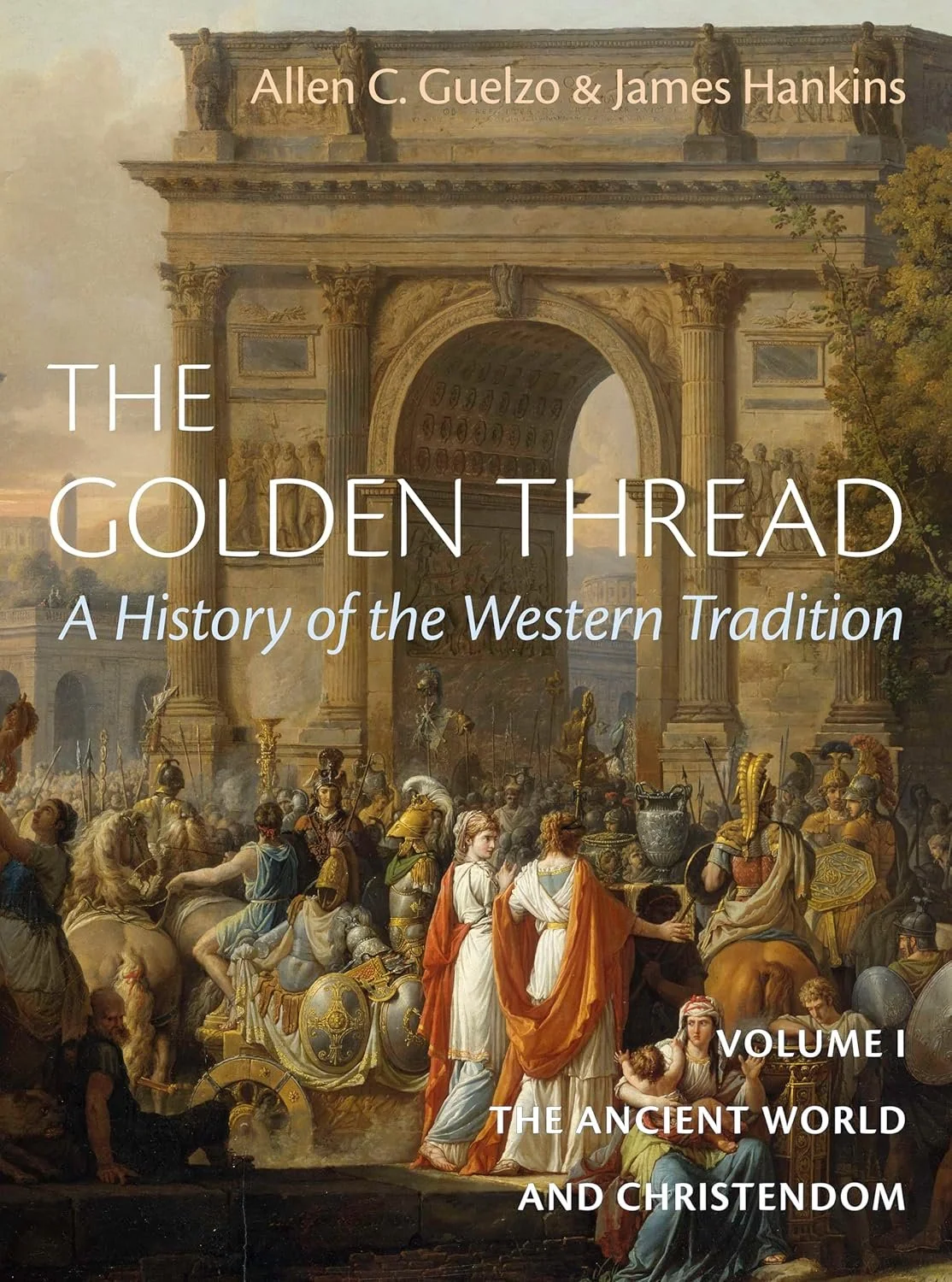
James Hankins is a professor of history at Harvard University, a visiting professor of humanities at the University of Florida’s Hamilton School, and author of numerous books including Virtue Politics: Soulcraft and Statecraft in Renaissance Italy and Political Meritocracy in Renaissance Italy: The Virtuous Republic of Francesco Patrizi of Siena. He’s also the co-author of the textbook, The Golden Thread, which focuses on the history of Western civilization.
Greg and James discuss Renaissance humanism, sparked by Petrarch’s response to 14th‑century crises, and explore the humanist education focused on virtue, rhetoric, and moral philosophy. They also delve into Machiavelli’s critiques and pushback against humanism, how Chinese Confucianism compares with the West’s legal system, and why James believes virtue should be brought back into modern education.
*unSILOed Podcast is produced by University FM.*
Episode Quotes:
Why we need both systems and good character
11:47: I think I agree with the people who think there should be a balance between good character and the formation of good character and expertise and wisdom and competence and the people who say that systems can solve all your problems and you just get the right systems and thinkful function. I think that is a very, kind of left, left hemispheric way of understanding human nature.
Good law is nothing without good people
07:59: If you have great laws, but corrupt judges, you are going to have bad laws. If you have laws being written by corrupt people, that is even worse. So the humanist is saying the whole problem is, the human heart, right? This is where the problem is. And what we have to do is to bring back antiquity.
Is democracy only the legitimate form of government?
47:14: Today, we might say that a democracy is the only legitimate form of government where a republic reflects the will of the people. But they would not say that in the Renaissance. They talk about better and worse, that monarchs are better when you have got a good monarch. But when you have a bad monarch, the monarch of the republic is better. It is that kind of calculation. It is not the way we think about political regimes today as being, legitimate or illegitimate.
Show Links:
Recommended Resources:
Guest Profile:
Faculty Profile at Harvard University
Faculty Profile at Hamilton School at the University of Florida
Professional Website