
Episode 652: Joanna Stalnaker
May 19th, 2026
Listen to Episode on:


Watch the Unabridged Interview:
Order Books
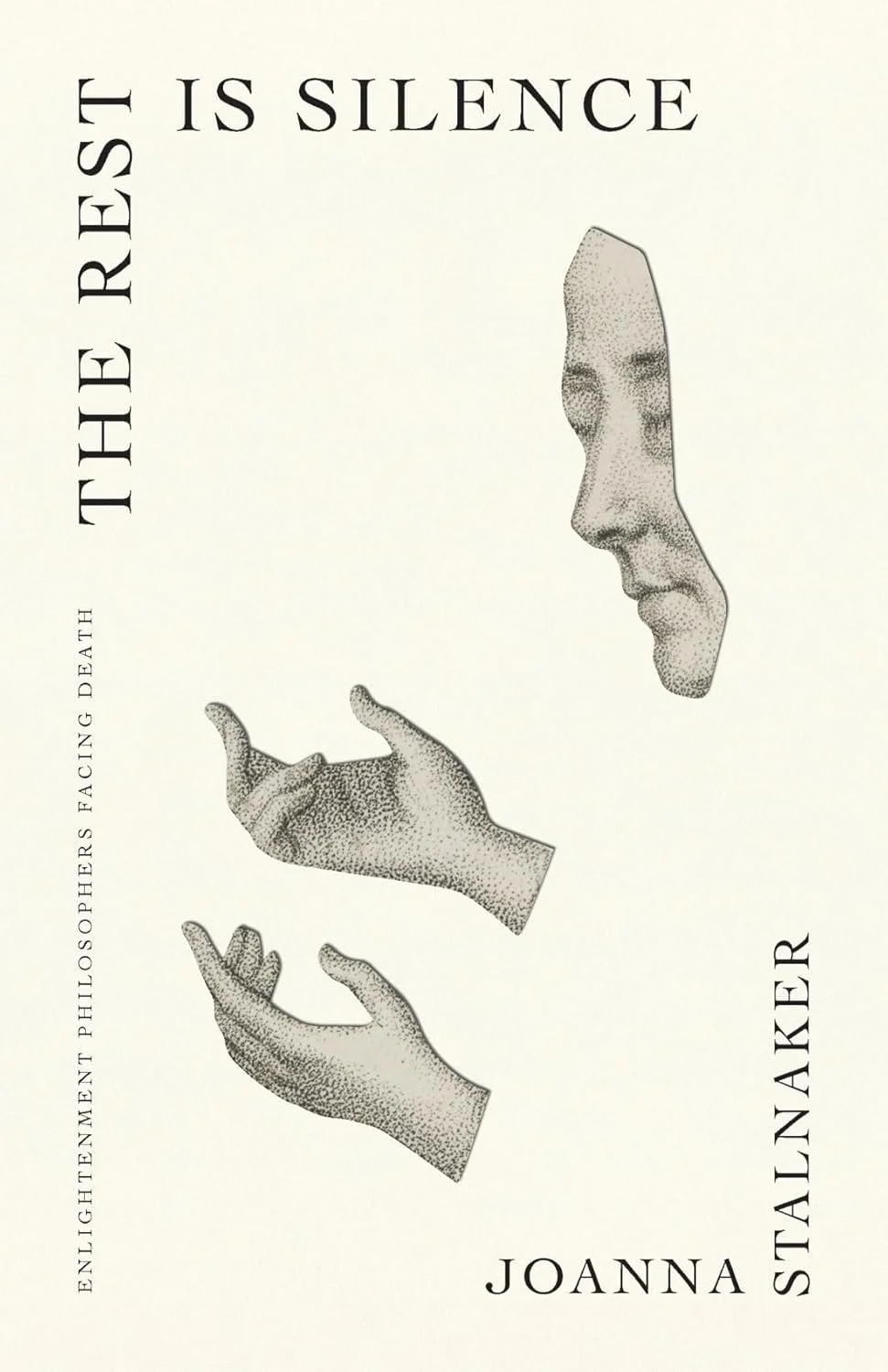
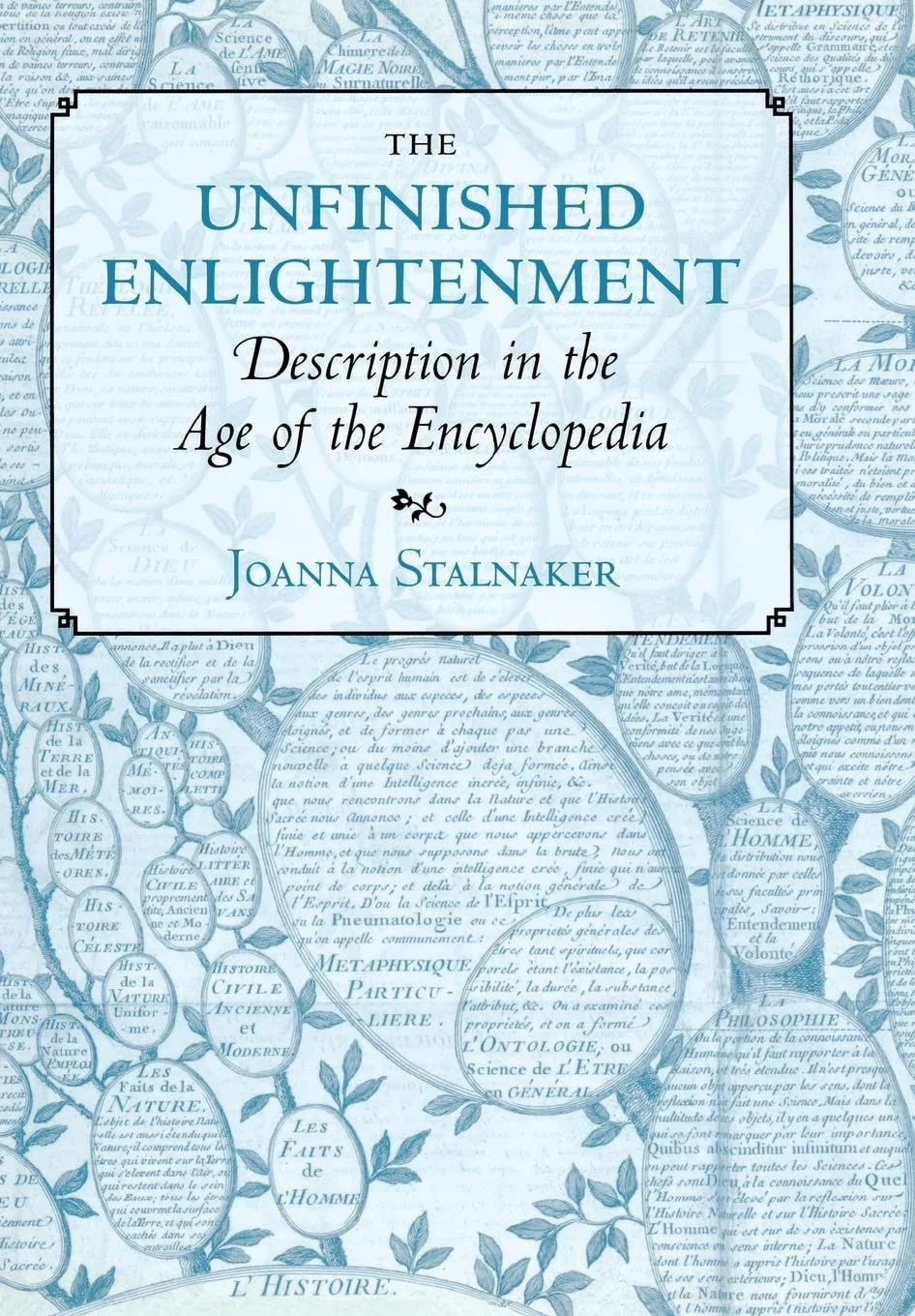
Silent Legacies: How Enlightenment Philosophers Faced Mortality
Joanna Stalnaker is a professor of French at Columbia University and also the author of the books The Rest Is Silence: Enlightenment Philosophers Facing Death and The Unfinished Enlightenment: Description in the Age of the Encyclopedia.
Greg and Joanna discuss how Enlightenment figures faced death amid disbelief or tempered religious belief. Joanna says scholars have emphasized 18th-century death rituals more than philosophers’ personal end-of-life writings, and she links her interest to growing up with atheist philosopher parents to her earlier work on Enlightenment description, and Rousseau’s late writings.
Their conversation covers models like Socrates and Montaigne’s, public scrutiny of deaths, last rites, and burial, and tensions between posterity and accepting oblivion. They discuss Hume’s death and ambivalence about his reception, Diderot’s Seneca-inspired reflections and critique of Rousseau’s self-presentation, Voltaire’s editing of Meslier and correspondence with Madame du Deffand, Buffon’s gradual “ossification” view of dying, salons and letters’ role in Enlightenment networks and women’s participation, posthumous publication, and the value of literary form for understanding embodied philosophy and equanimity toward death.
*unSILOed Podcast is produced by University FM.*
Episode Quotes:
On publishing a book against transhumanism
07:19: I published the book [The Rest Is Silence] that, in a certain sense, it's kind of a book against transhumanism or all these attempts to sort of survive, whether it be through technology or whether it be through spreading one's genetic material by having as many babies as possible. There's this—I see, in our current moment, a kind of denial of death through those various phenomena.
Sorates is a model of enlightened death
04:53: Socrates is a model in terms of how to die, what one might call an enlightened death; how to die a philosophical death; and how to face death in a courageous manner, in keeping with one's philosophy. And that was a preoccupation for both David Hume and Voltaire. They were very aware that the public was watching their deaths and that there was great interest in how they would die and whether they would recant their beliefs on their deathbeds. They were thinking back to this model of Socrates, I believe.
Can you separate philosophy from the way it is written?
39:04: One of the things that I want to insist on in my work is the fact that we need to take literary form and genre and style into account because it's very difficult. The philosophical ideas cannot be extracted from their form, and I, in this particular book [The Rest Is Silence], was interested in the question of embodiment because my book is really about them attempting, acknowledging their coming deaths but acknowledging that they lived as bodies, as mortal bodies, and attempting to find a way to express that in writing.