
Episode 628: Josiah Ober

March 10th, 2026
Listen to Episode on:


Watch the Unabridged Interview:
Order Books


The Civic Bargain: Democracy, Knowledge, and the Challenge of Scale
A key precondition for democracy is civic trust and commitment to common goods; polarization and party identity undermine this, worsened by modern communication technologies that enable separate realities.
Josiah Ober is a professor of Political Science and Classics at Stanford University and also the author and co-author of several books about Athens, Civics, and Ancient Democracy. His latest title is The Civic Bargain: How Democracy Survives.
Greg asks Josiah about his work linking ancient Athens to modern democracy and organizational design. Josiah argues that political science necessarily blends positive and normative theory, joining rational self-interest with ethical reasoning to secure both stability and the good. He also compares firms and states as purposeful organizations governed by rules, incentives, and norms, noting that democracies struggle to scale but can outperform hierarchies by aggregating dispersed knowledge if institutions align incentives and citizens share information. Josiah emphasizes civics as teachable skills—listening, bargaining, and positive-sum compromise. He makes an appeal for renewed civics education informed by history and classical thinkers, including a rehabilitated view of the sophists and strategic reasoning.
*unSILOed Podcast is produced by University FM.*
Episode Quotes:
Why democracies know more than hierarchies
14:58: The democratic system, intrinsically, knows more than a highly hierarchical boss centered system, simply because those who see themselves as citizens have reason to share what they know. Those who are subjects have reasons to not share what they know. Therefore, it is possible for a democracy for reasons that, you know, Friedrich Hayek talked about in terms of why markets work, because all of that information comes together in, you know, producing a price, it is possible for well-structured democracies to bring in a great deal of information. From a great deal of people who have very different experiences, know different things, to solve the problems that they need to solve.
Does democracy only work when the design is right?
15:45: You have to have the right kind of organization, not only of, sort of voting and so on, but of incentives for people to bring what they know to the right place at the right time, not to the wrong place at the wrong time. And that is hard to do. You get it right and you get this tremendous success. You get it wrong and it does not work very well.
Politics should work like buying a car
32:22: When we go into the political regime space nowadays, it's that, well, compromise is bad now. We gave up, they won. The imagination now of politics is something like a football game in which there's a winner and a loser, and the winners cheer and the losers cry. But that's not what politics is. It is much more like buying a used car.
Show Links:
Recommended Resources:
Guest Profile:
Guest Work:
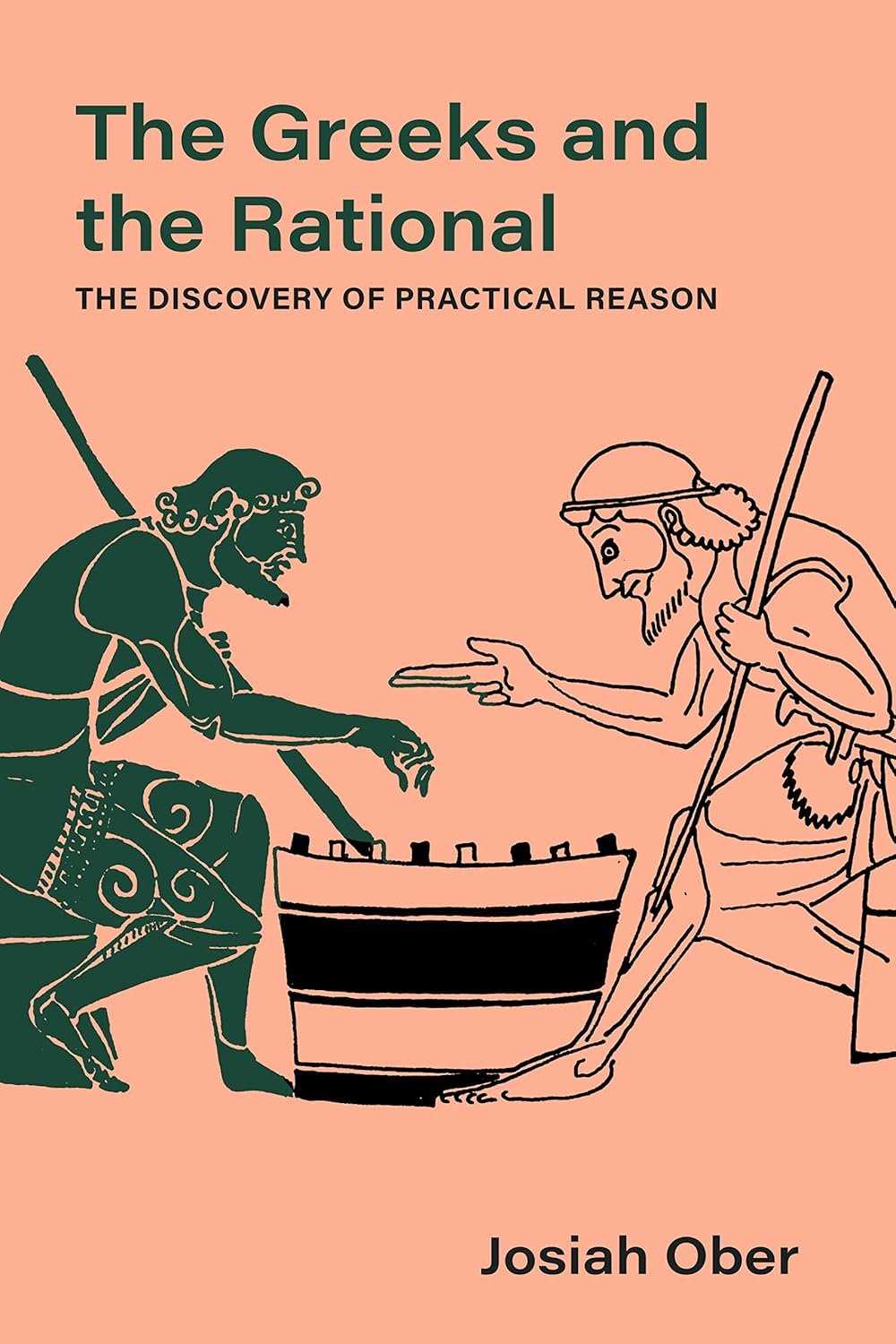
The Greeks and the Rational: The Discovery of Practical Reason
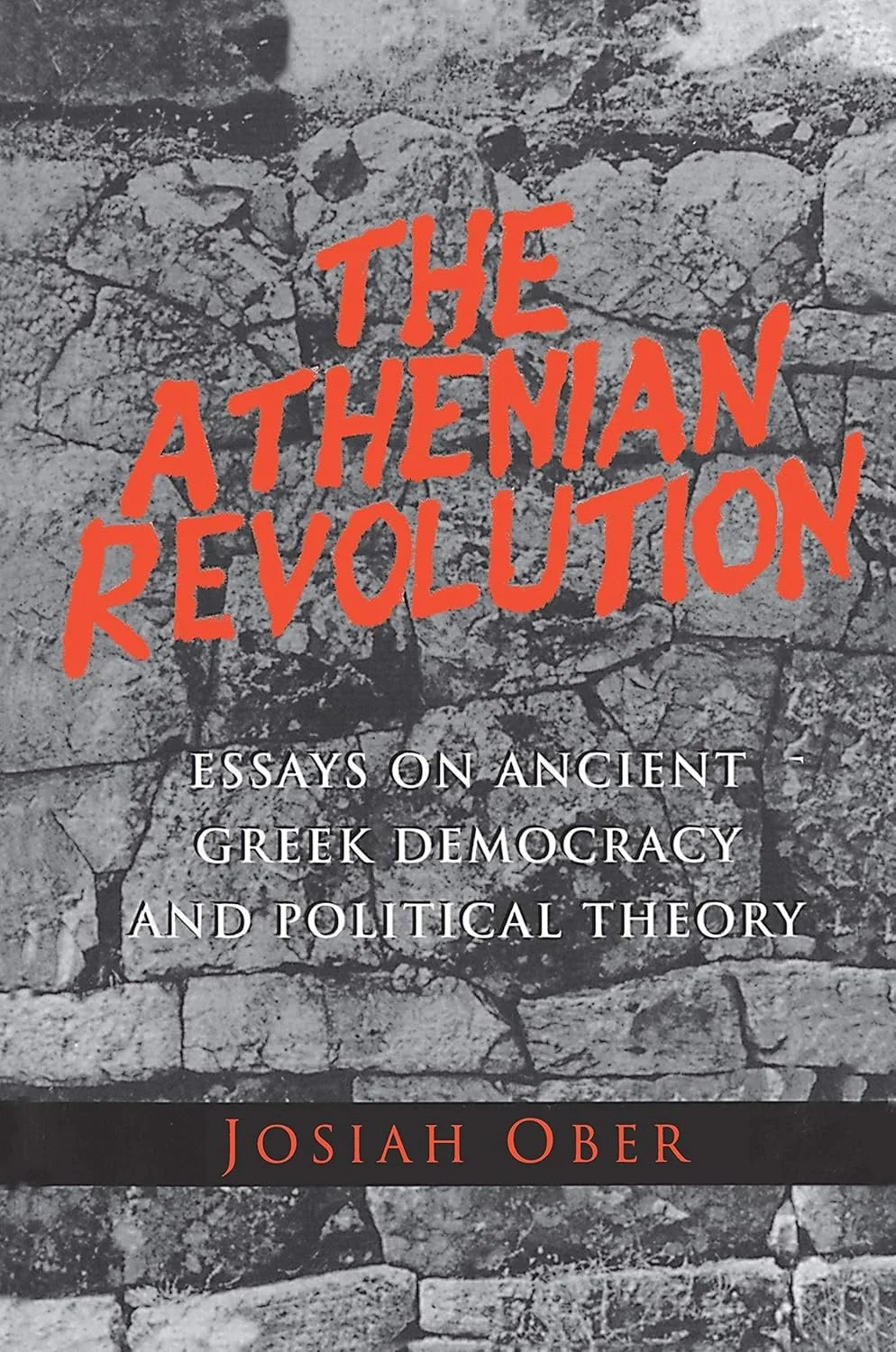
The Athenian Revolution: Essays on Ancient Greek Democracy and Political Theory
Athenian Legacies: Essays on the Politics of Going On Together
Demopolis: Democracy before Liberalism in Theory and Practice
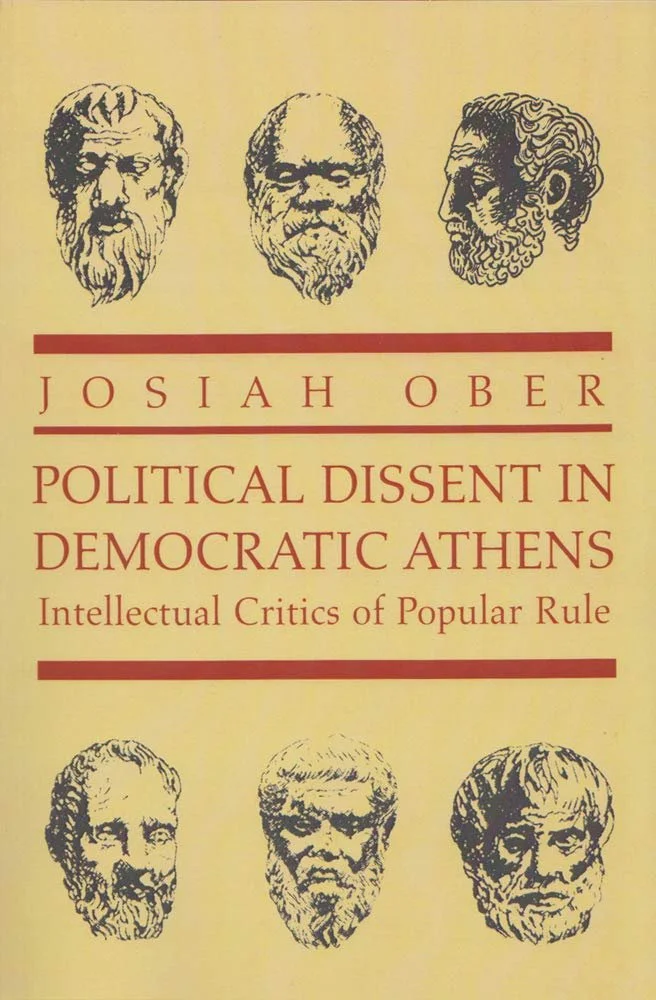
Political Dissent in Democratic Athens: Intellectual Critics of Popular Rule
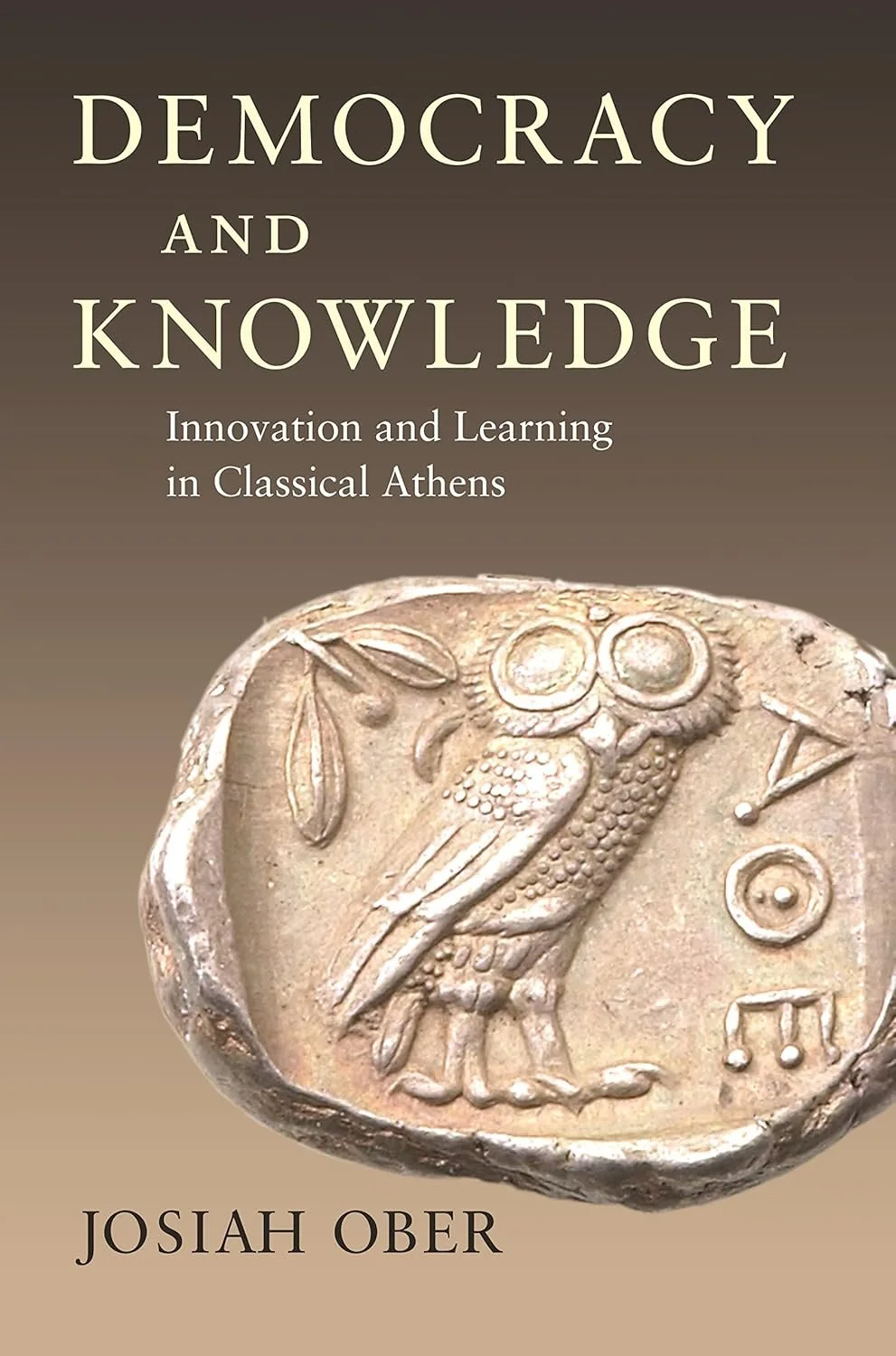
Democracy and Knowledge: Innovation and Learning in Classical Athens
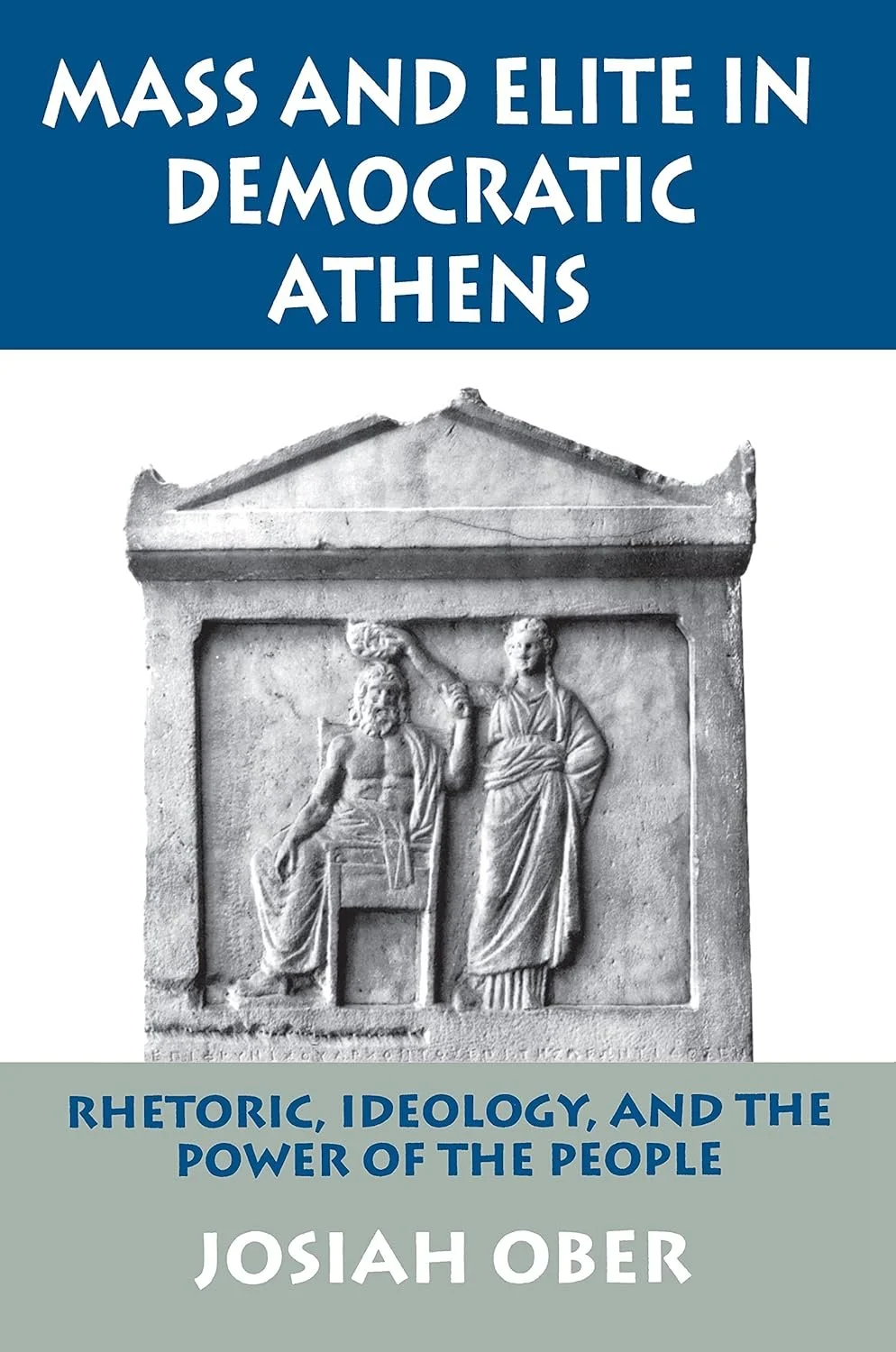
Mass and Elite in Democratic Athens: Rhetoric, Ideology, and the Power of the People