
Episode 670: Nicholas Lemann

July 24th, 2026
Listen to Episode on:


Watch the Unabridged Interview:
Order Books
Exploring Jewish Assimilation, Legacy, and Identity
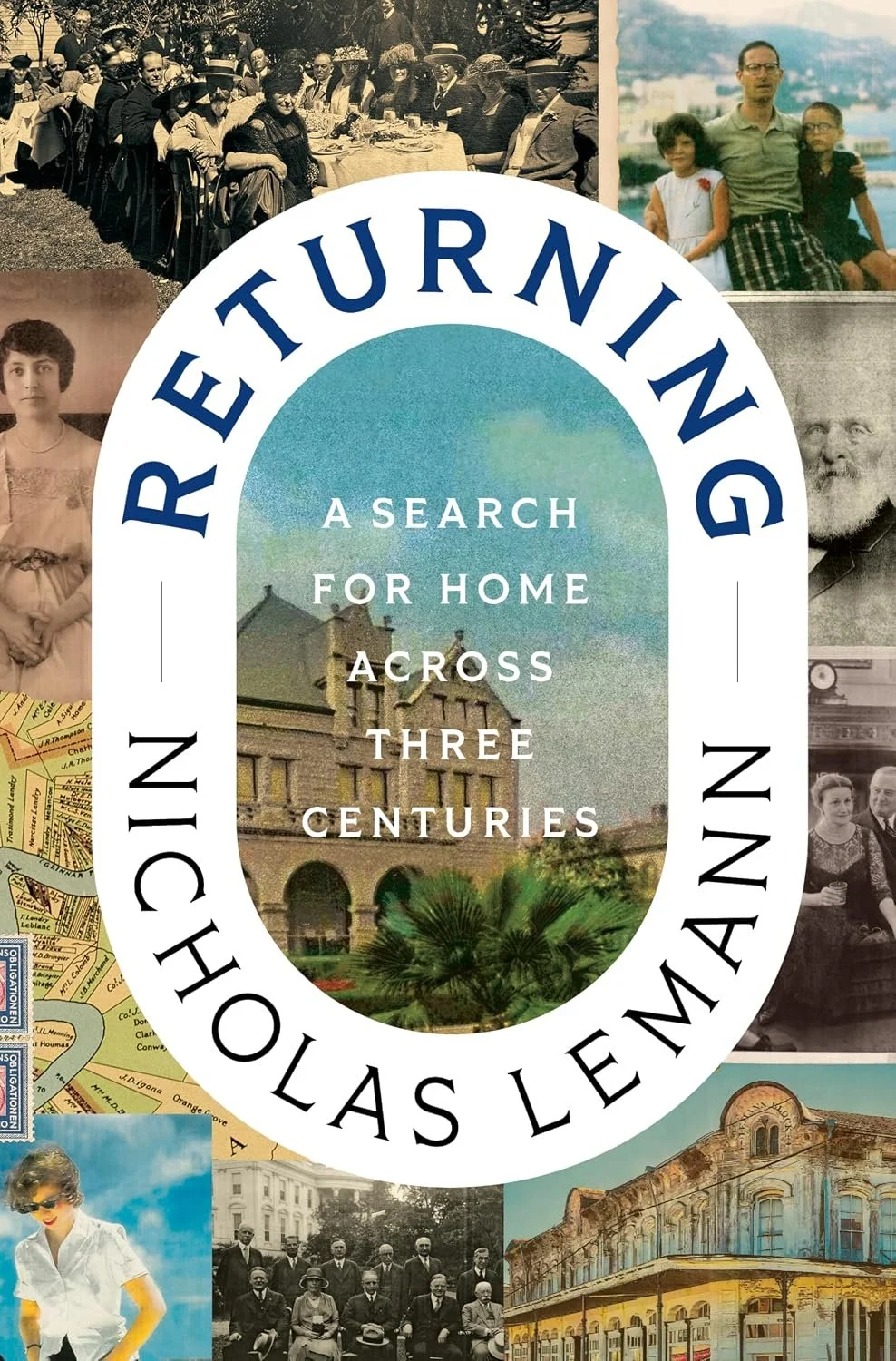
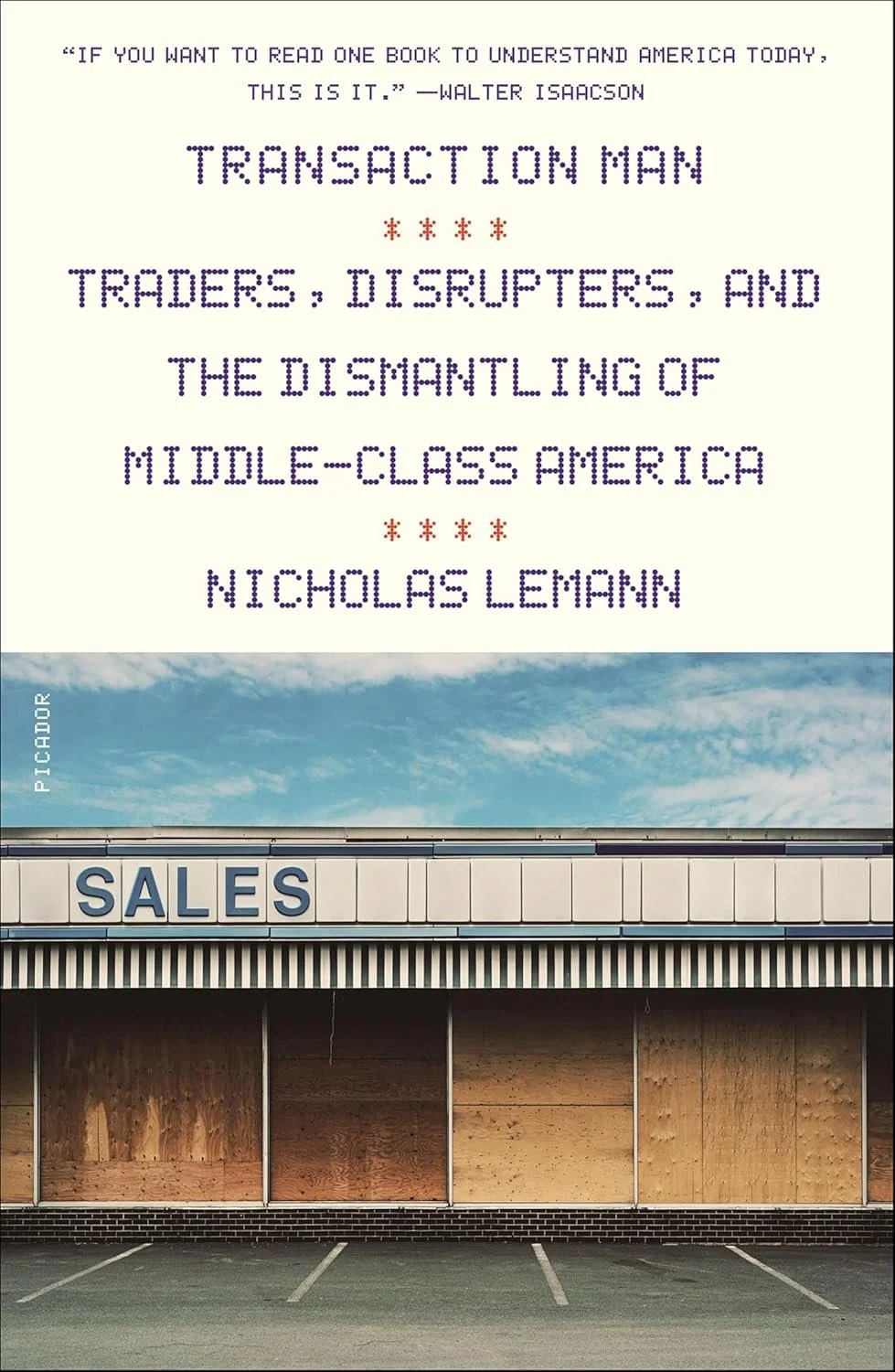
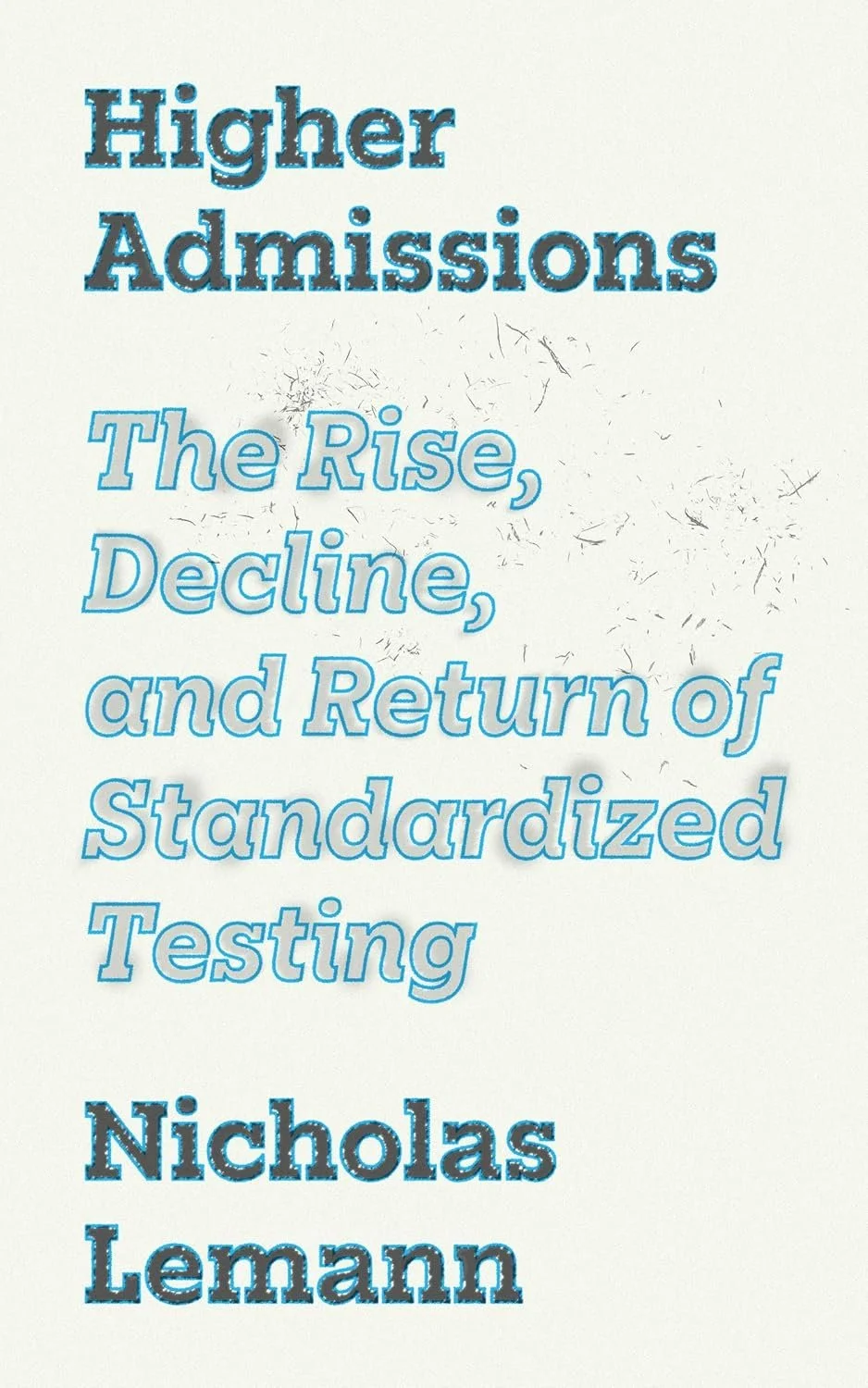
Nicholas Lemann is the Pulitzer-Moore Professor of Journalism at Columbia University and a staff writer for The New Yorker. He is the author of several books, including Higher Admissions: The Rise, Decline, and Return of Standardized Testing, Transaction Man: The Rise of the Deal and the Decline of the American Dream, and most recently, Returning: A Search for Home Across Three Centuries.
Greg speaks with Nicholas about Returning, his memoir tracing five generations of his German Jewish family in New Orleans. Nicholas reflects on how the pursuit of acceptance led many German Jews to downplay their Jewish identity, distance themselves from Eastern European Jewish immigrants, and oppose Zionism, before describing his own gradual return to Jewish tradition and community later in life.
From there, the conversation broadens into a discussion about the changing role of identity and institutions in American life. Greg and Nicholas explore the decline of religious and ethnic identity, the growing secularization of academia and journalism, and how changing ideas of merit, belonging, and fairness have shaped debates over standardized testing, affirmative action, and elite college admissions.
Finally, they discuss Transaction Man, examining the rise and fall of the “company man,” the shift from stakeholder-oriented corporations to shareholder primacy, and Nicholas’s argument that today’s more individualistic, network-driven society has transformed how people find purpose, stability, and community.
*unSILOed Podcast is produced by University FM.*
Episode Quotes:
The hidden cost of assimilation
13:35: Jewish assimilation, like my family's story, tends to involve offloading many parts of traditional Jewish observance. Ethnic and religious culture can be a very beautiful and enriching community to live in. And it is for me today. But if you start watering it down, after a certain point, it kind of loses...It doesn't have that much left, and it doesn't fulfill the needs that it used to. It doesn't have the sense of community that it used to. It doesn't have the hold between generations that it used to.
A culture doesn't need an enemy to disappear
14:21: We all know why there's almost no German Jews in Germany. That's one story. But there's really almost no coherent German Jewish culture in America, and that's for a whole different set of reasons, which is just lightening what it meant to be Jewish and live as a Jew to the point that it just didn't hold people anymore.
The tradeoff between acceptance and identity
11:08: Eastern European Jews made us very uncomfortable. And so we felt that if they came to America in very large numbers, it would kind of make things worse for us 'cause it would unleash prejudice. And with Zionism, Zionism can be defined in a lot of different ways. But if you define it as a sense of peoplehood, you know, we are a people, we are a tribe, even if we don't have a nation state, we are a de facto nation, and we're all in it together in common cause and have a primary loyalty to each other. What I just said, that's exactly what the German Jews didn't think. That's... I was raised not to think. So, we were supposed to be Americans with a light ethno-religious identity, but we were Americans. We didn't have dual loyalty.
Show Links:
Recommended Resources:
Guest Profile:
Guest Work:
Higher Admissions: The Rise, Decline, and Return of Standardized Testing
Transaction Man: Traders, Disrupters, and the Dismantling of Middle-Class America
American Democracy: 21 Historic Answers to 5 Urgent Questions
The Promised Land: The Great Black Migration and How It Changed America
By Nicholas Lemann - Redemption: The Last Battle of the Civil War