
Episode 610: Witold Rybczynski

January 8th, 2026
Listen to Episode on:


Watch the Unabridged Interview:
Order Books



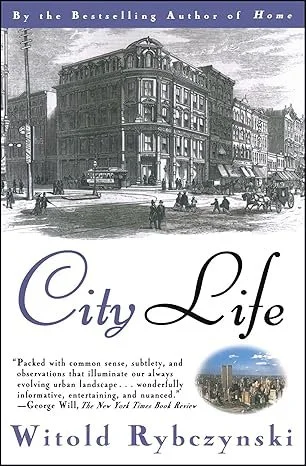

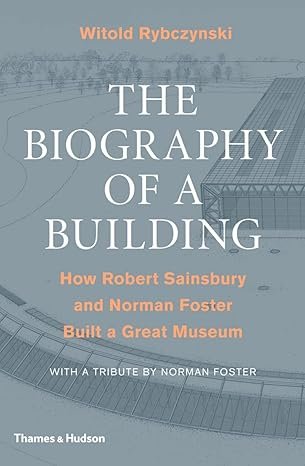
Shaping Spaces: Architecture, Design, and Urban Planning
What is the real importance of understanding architectural history, and how is its teaching different from the histories of other disciplines? How can good design influence business decisions?
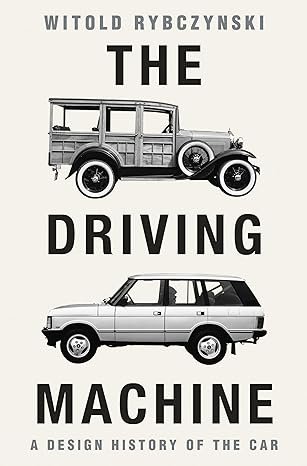
Witold Rybczynski is an emeritus professor in the Weitzman School of Design at the University of Pennsylvania. He is also the author of several books on architecture and its history. His most recent titles have been The Driving Machine: A Design History of the Car, Now I Sit Me Down: From Klismos to Plastic Chair: A Natural History, Mysteries of the Mall: And Other Essays, and The Story of Architecture.
Greg and Witold discuss Witold’s extensive work on various topics, including the present state and histories of architecture, urban planning, and design. Their conversation covers the cultural valuation of architecture versus fine arts, the historical impact of city planning and urban design in the United States, and the unique characteristics of American cities compared to how cities and urban planning happens in European countries. They also get into the interplay of style and function in car design based in the research from Witold’s new book.
*unSILOed Podcast is produced by University FM.*
Episode Quotes:
Why architecture can’t start from scratch
28:39: So architects could invent things, but they could not invent from scratch because people just would not accept that they could. And so, even if you are Michelangelo, you could do kind of radical things architecturally, but there were many things that you had to keep the memory of the way, what people expected a building to be and the way it worked, and that was not something that he upset. And so traditionally, art history has played a role, similarly in if you want to be a doctor, you do not have to learn the history of medicine, you be pointless. You just want to know what is the latest thing that works? What are the things that really work? Not what did the witch doctors do, you know, hundreds. But in architecture, you do you, at least in, up to very recently, you, architects were taught history, not as historians, but as practitioners.
Architecture demands our attention
04:08: Whether or not we consider architecture an applied art or not quite an art or some sort of art, buildings last an awful long time. And buildings have a kind of influence that art does not have because they are useful. So, we can love them in one way. The way we love a painting, it makes us feel good to walk by a building. Maybe we never go into it, but we see it, and it may be as old as an ancient piece of art, but it is also useful. We actually use it, so we have an attachment to it. The way you have an attachment to tools or utensils or practical things, and that makes architecture different than art.
City planning affects things in a permanent way
07:55: City planning affects things, and it affects them in this permanent way. You know, after a war, we rebuild the buildings, but the street layout stays the same because it is so difficult after the, there were all these plans after the Great Fire of London to make London a sort of Rome or Paris, but then they realized you cannot do it. You have to start building right.
Show Links:
Recommended Resources:
Guest Profile:
Guest Work:
Now I Sit Me Down: From Klismos to Plastic Chair: A Natural History
A Clearing In The Distance: Frederick Law Olmsted and America in the 19th Century
Charleston Fancy: Little Houses and Big Dreams in the Holy City
One Good Turn: A Natural History of the Screwdriver and the Screw
The Perfect House: A Journey with Renaissance Master Andrea Palladio