

November 2nd, 2026
Listen to Episode on:


Watch the Unabridged Interview:
Order Books
Hormones, Homeostasis, and the Hidden Language of the Endocrine System
Our body contains a complex communication network, with hormones providing the signals. How do these signals regulate our energy, our appetites, our growth, and our moods? And does our environment shape the nature and intensity of these signals?
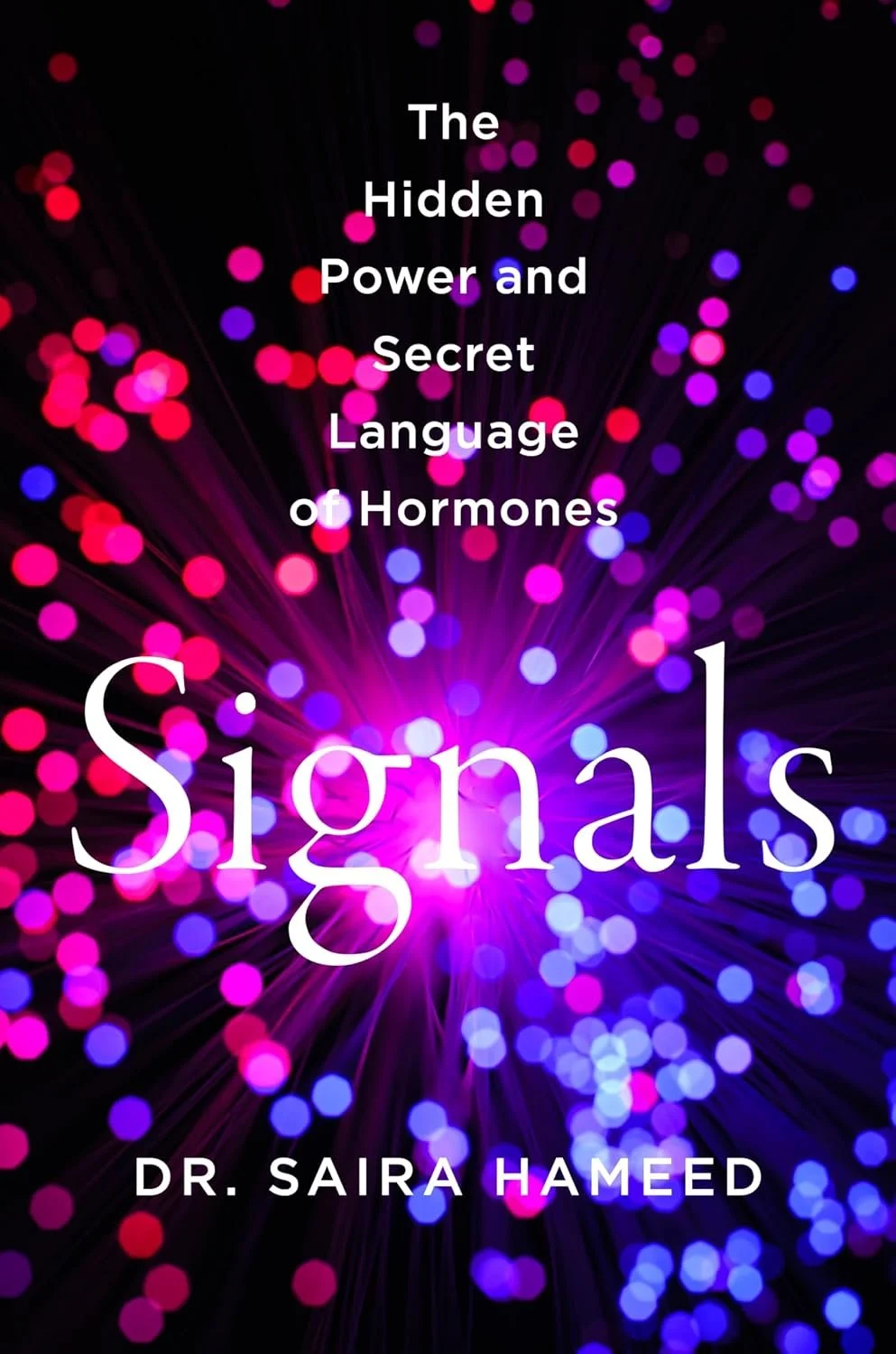
Saira Hameed is a consulting endocrinologist who is also a clinician and lecturer at Imperial College London. She is also the author of the new book, Signals: The Hidden Power and Secret Language of Hormones - A Scientific Guide to Understanding How the Body Talks to Itself.
Greg and Saira discuss how hormones regulate moment-to-moment homeostasis through feedback loops, including issues of hormone resistance such as insulin resistance driving type 2 diabetes and related conditions. Saira argues that hormones are misunderstood in public discourse and that endocrinology remains young and still mysterious, stressing the importance of thorough history-taking because powerful therapies like TRT, HRT, and steroids are nuanced, complicated, and require watertight diagnosis.
They also discuss cortisol regulation, Addison’s disease and Cushing’s syndrome, the hypothalamus as “mission control,” and the historical path to endocrine discoveries. The conversation touches on GLP-1 drugs, leptin resistance in obesity, environmental contributors including ultra-processed food and endocrine-disrupting chemicals, the value of clinician–researcher cross-talk, and limits of continuous monitoring beyond glucose sensors.
Episode Guide:
00:00 Meet Saira Hameed
02:29 Why Hormones Matter
04:15 Homeostasis Feedback Loops
05:41 Insulin Resistance Explained
08:01 Modern Metabolic Epidemic
10:49 Doctor As Listener
13:23 Hormones And Aging Myths
16:02 Cortisol Stress Signals
21:02 Master Gland Mission Control
22:47 Endocrinology Origin Stories
26:11 Stop Blaming Willpower
27:30 GLP Drugs Teaser
27:39 How GLP-1 Signals Fullness
28:20 From Diabetes Drug to Weight Loss
29:33 Leptin Resistance Explained
31:56 Breaking the Hunger Cycle
33:41 Endocrine Disruptors Everywhere
35:58 Practical Ways to Reduce Exposure
37:07 Regulating Hormone Mimics
38:23 Clinicians and Researchers Connect
40:09 Learning Bedside Manner
41:48 Doctor vs Customer Pressure
43:41 Limits of Medicine and Burnout
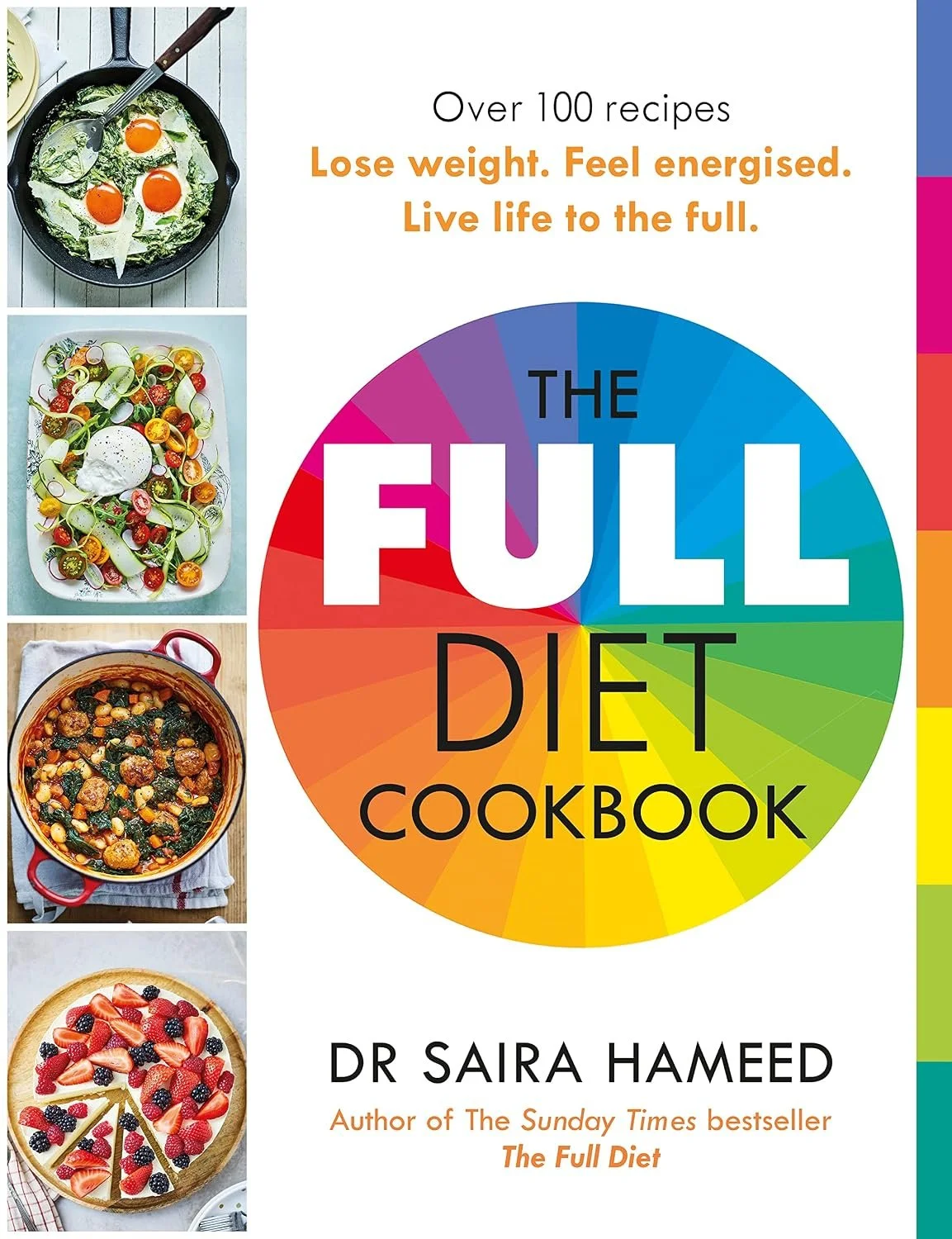
44:59 Why She Wrote the Cookbook
47:13 Food as Metabolic Medicine
48:34 Light, Circadian, and Vitamin D
49:01 Endocrinology Research Frontiers
50:21 No Such Thing as Boring Patients
51:51 Wearables Data and Hormone Testing
54:15 Medical History and Future Humility
56:05 Final Thoughts and Farewell
unSILOed Podcast is produced by University FM.
Episode Quotes:
GLP-1 and the body's natural hunger signals
27:39: So GLP-1, world famous now, is actually a naturally occurring hormone. It's produced by the gut, and your gut will release this hormone when you eat something. So you eat something, your gut releases GLP-1, this signal does a number of things, but one of the most interesting things it does is this GLP, this natural GLP, travels from your gut and the bloodstream up to the brain, to the hypothalamus that we talked about, the master gland, and, it says, "You're full. You're done. You don't need to eat anything more." That then elicits a behavior. You're like, "Okay, I'm good." Put your knife and fork down, leave the table, move on with your day. That's occurring every time we eat. So. the pharma industry obviously saw an opportunity, right? Because they understood that this hormone is very potent.
Why hormones are constantly working to keep your body in balance
04:44: These signals are controlling the body's homeostasis. It keeps everything in equilibrium. If this goes up, then this has to go down. 'Cause I'm quite a sort of visual learner, the way it would be great for your audience to picture this, you know, when you're hanging a picture at home, and you want to know if the picture's straight? And to your eye, it looks straight, but then you put a little spirit level on top, and the bubble is not in the middle, and then you do one millimeter, another half millimeter, and then suddenly the bubble's in the middle, and it's all straight, and you've reached the picture's kind of reached equilibrium. It's in balance. And that's what these hormones are doing all the time, and the precision is so sophisticated. It's absolutely exquisite. And this is happening really on a moment-to-moment basis. Often we think of hormones as controlling life's major milestones, puberty, pregnancy, menopause, and so on. But actually, you know, moment to moment, they're controlling pretty much everything too.
What food can do that medicine sometimes can't
47:25: When it comes to food and eating, food is a very, very powerful medicine when used in the right way. Real food, food our ancestors would have considered to be food, right? And the changes in somebody's metabolic health that I've seen when they change the way they eat, I can't prescribe anything that powerful.