
Episode 645: Steve H. Hanke
April 27th, 2026
Listen to Episode on:


Watch the Unabridged Interview:
Order Books
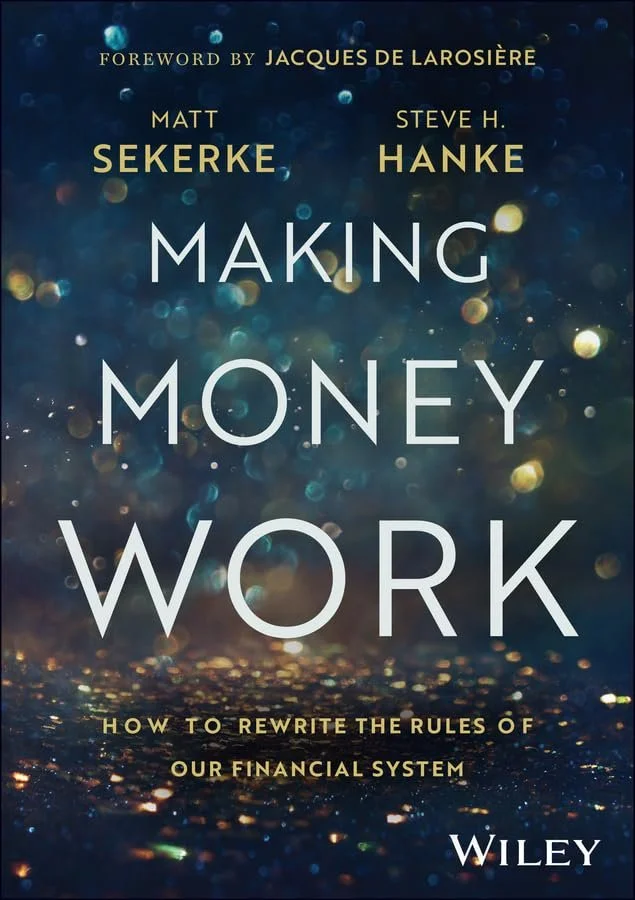
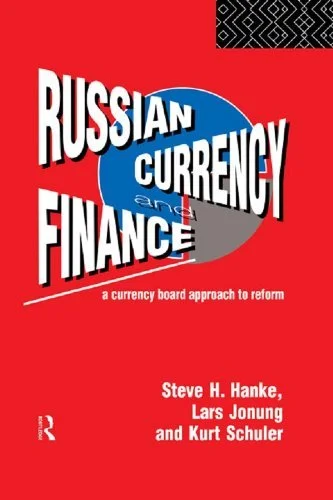
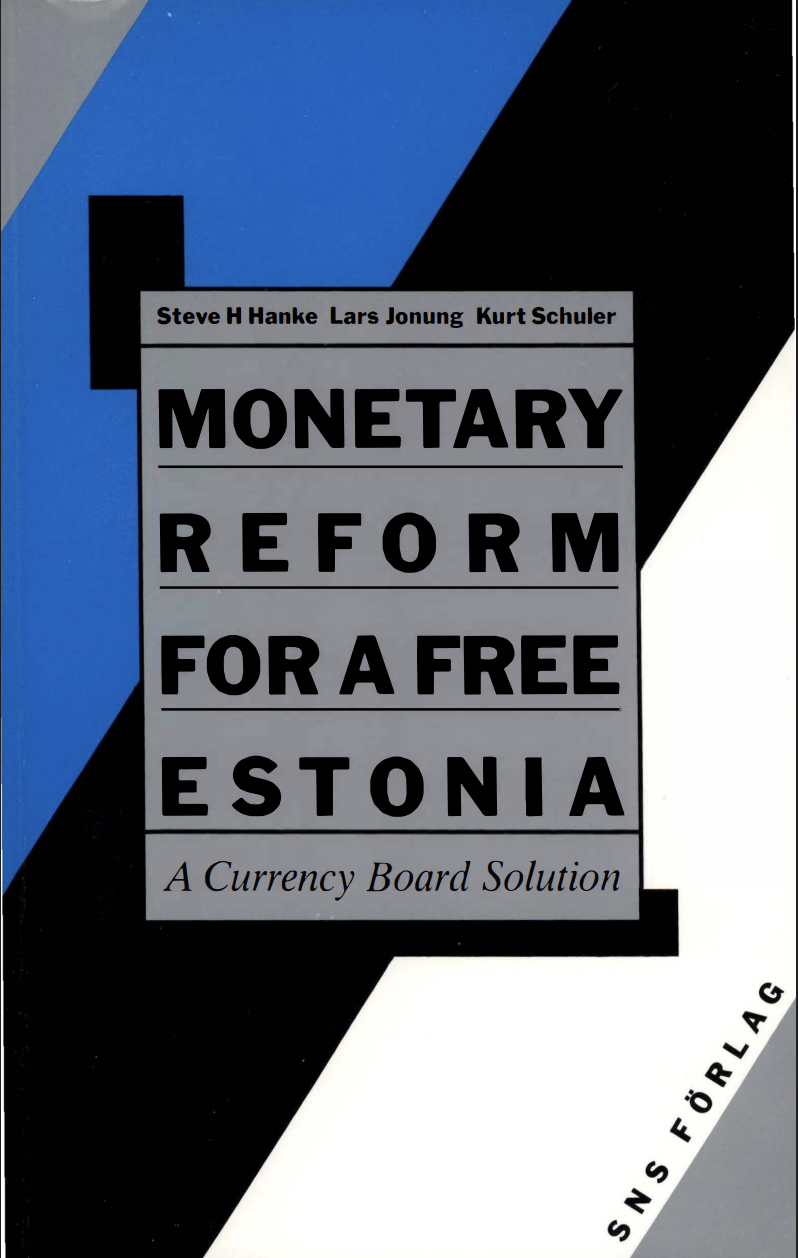
Making Money Work: Banks, Capital Theory, and the Fed’s Blind Spot
Steve H. Hanke is a Professor of Applied Economics and Founder and Co-Director of the Institute for Applied Economics, Global Health, and the Study of Business Enterprise at Johns Hopkins University in the Whiting School of Engineering. He is also the author and co-author of several books on economics. His latest title is called Making Money Work: How to Rewrite the Rules of Our Financial System.
Greg and Steve discuss why macroeconomics sidelines banks and money creation. Steve argues macro should rest on the Quantity Theory of Money and Capital Theory, including “waiting” as a factor of production with interest as its price, and criticizes the profession for abandoning these foundations. He contrasts GDP with gross output and links Fisher’s MV=PT to intermediate transactions, then explains why commercial banks create money via lending while investment banks intermediate savings, and why regulation (capital and reserves) matters more than the federal funds rate.
Steve critiques universal banking for siphoning capacity from deposit-taking lending, faults the Fed for ignoring broad money measures, discusses Divisia aggregates and Volcker-era measurement errors, and applies quantity theory to post-COVID inflation. Hanke also summarizes his meta-analysis finding that lockdowns saved few lives, describes censorship and publication hurdles, reflects on theory-empirics and the disappearance of the history of thought, and recounts policy, currency board, and trading experiences.
*unSILOed Podcast is produced by University FM.*
Episode Quotes:
On the failure to distinguish between market intermediation and bank intermediation
19:30: Most people think that banks intermediate savings, and that's not really what banks do. Investment banks do that, and other financial institutions do that. But if you have a pool of savings, that goes through investment banking and not commercial deposit-taking banking...[19:59] Let's make it very simple—the savings end up at investment banks, and they go into bankable projects. The savings are intermediated; that's how it goes. It doesn't go through a commercial bank, basically. So what do commercial banks do? They fund bankable projects, but they do it by creating money out of thin air. The beauty of the fractional reserve banking system is just that.
The two key legs macroeconomics stands on
08:09: It's capital theory and the quantity theory of money. Those are the two key legs that macroeconomics stands on. And those two legs, by the way, they basically aren't taught in economics today. For the last 30 years, the economics profession has basically spent full time destroying macroeconomics, in my view.
The quantity theory of money, in simple terms
19:17: What I think parents don't understand is it's pleasurable to work. Kids find it pleasurable to work, and they want to. And I'm not talking about doing things that they don't like and they hate, right? Or they feel really like they have to. But working on something that you are excited about and that you feel some sort of innate drive to do—this is very pleasurable for people, including children. And actually, that's the way the system is. The dopamine system is evolved to work, right? It triggers wanting, desire for something, and then working to get it. And then the pleasure comes after working and the satisfaction.