
Episode 664: William Ian Miller

June 30th, 2026
Listen to Episode on:


Watch the Unabridged Interview:
Order Books


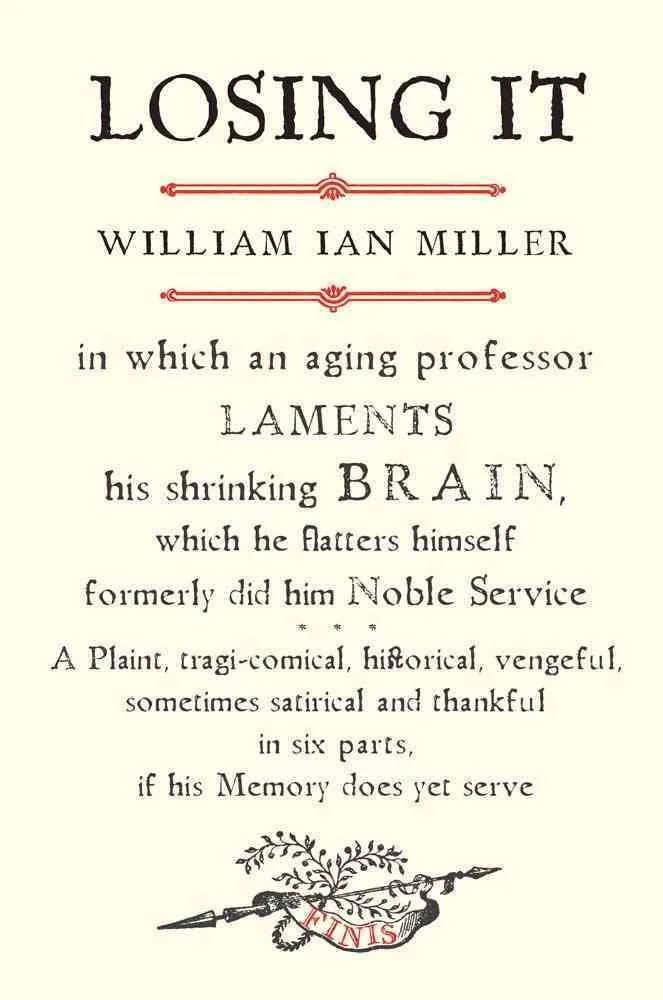



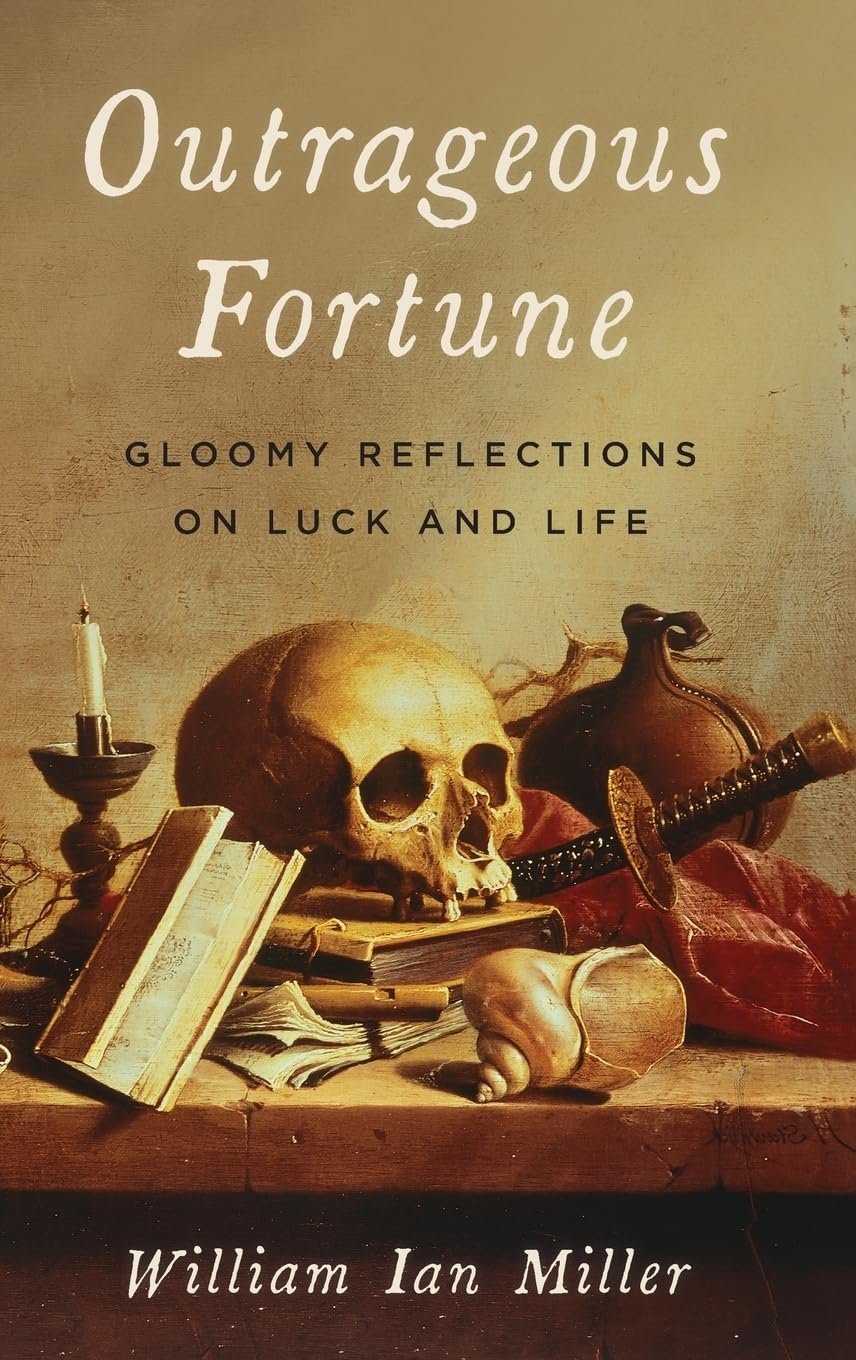


A Pessimist’s View on What It Means To Be Human
What insights on social psychology can be gleaned from ancient texts?
William Ian Miller is a professor of law at the University of Michigan and prolific author. His work is that of a polymath and covers everything from Icelandic sagas (Bloodtaking and Peacemaking: Feud, Law, and Society in Saga Iceland; 'Why is your axe bloody?': A Reading of Njals Saga) to philosophical meditations on what makes us human (Outrageous Fortune: Gloomy Reflections on Luck and Life; Humiliation: And Other Essays on Honor, Social Discomfort, and Violence).
William joins Greg to discuss the varying themes across his body of work including, luck and magical thinking, law and violence in Icelandic sagas, competition and humility, and the purpose of disgust.
*unSILOed Podcast is produced by University FM.*
Episode Quotes:
The de-evolution of psychological smarts in a pacified society
12:57: When you're a medieval historian, you'll see a lot of things that obviously progressed—medical care, stuff like that. A lot of things went backward, like, let's say, just psychological smarts. You had to be much better back then at reading somebody else's intentional states than we are now, because we're a highly pacified society. The idea that some clown can walk towards you texting and make you get out of the way and not get clocked in the face is just beyond... that could not happen in medieval Iceland. You bumped into somebody and didn't look where you were going, that would be an offense to that person's honor, to the one you bumped into, of not even bothering to see who he was or where he was.
Democracy as a principle of shared contempt
30:54: Democracy might be a principle of shared contempt, that everybody knows that they're held in contempt just as they hold the other in contempt.
Utilitarianism’s math problem and the dark funding of happiness
08:02: How much happiness is schadenfreude? Delight in somebody else's misery. How much of your happiness is funded by other people's misery? I always think that utilitarianism ran into a real math problem. The greatest happiness for the greatest number needed to be funded by misery somewhere.
Show Links:
Recommended Resources:
Guest Profile:
Faculty Profile at University of Michigan
Professional Website