

November 27th, 2026
Listen to Episode on:


Watch the Unabridged Interview:
Order Books
Smart Investments or Emotional Decisions? Behavioral Finance Insights
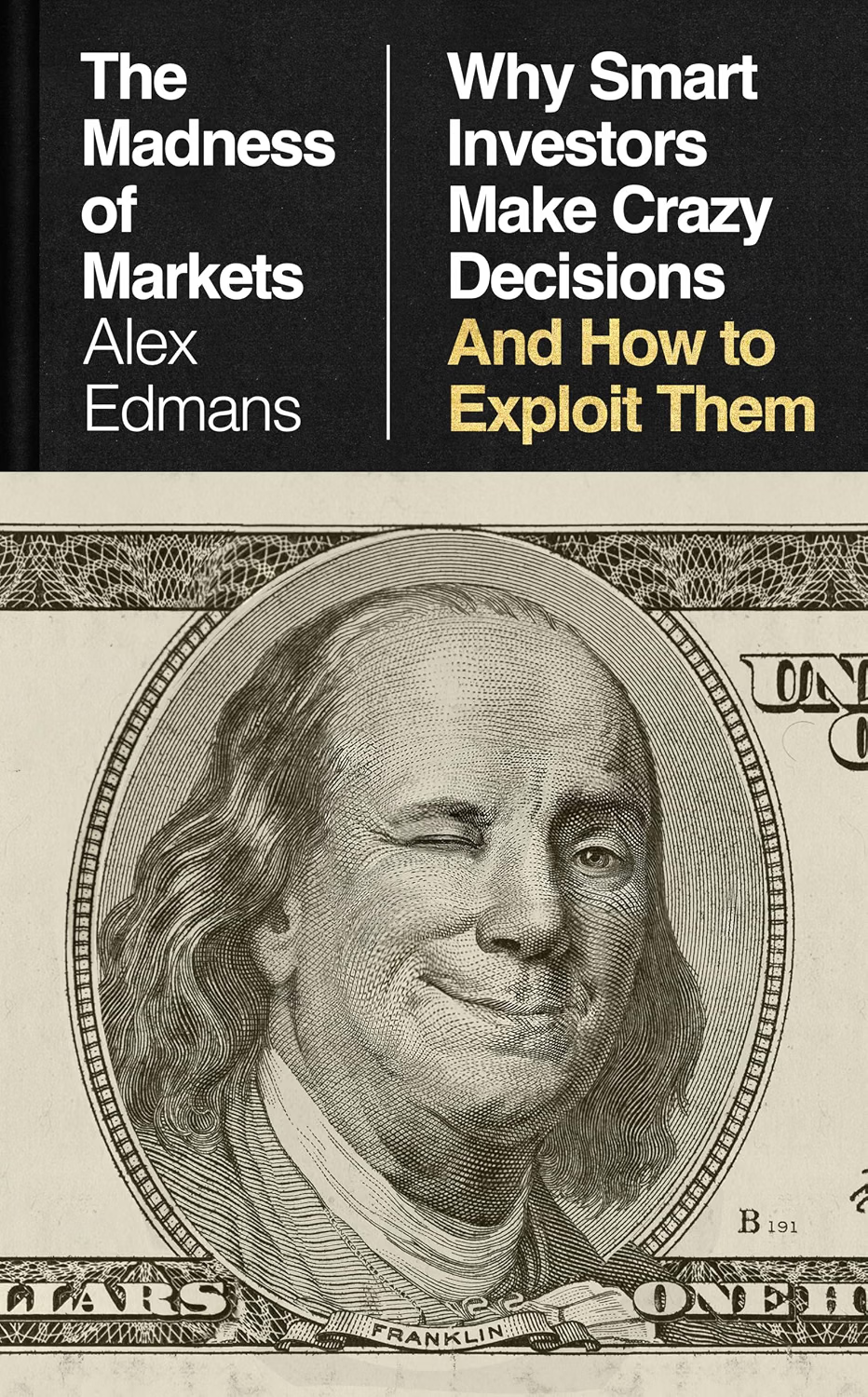
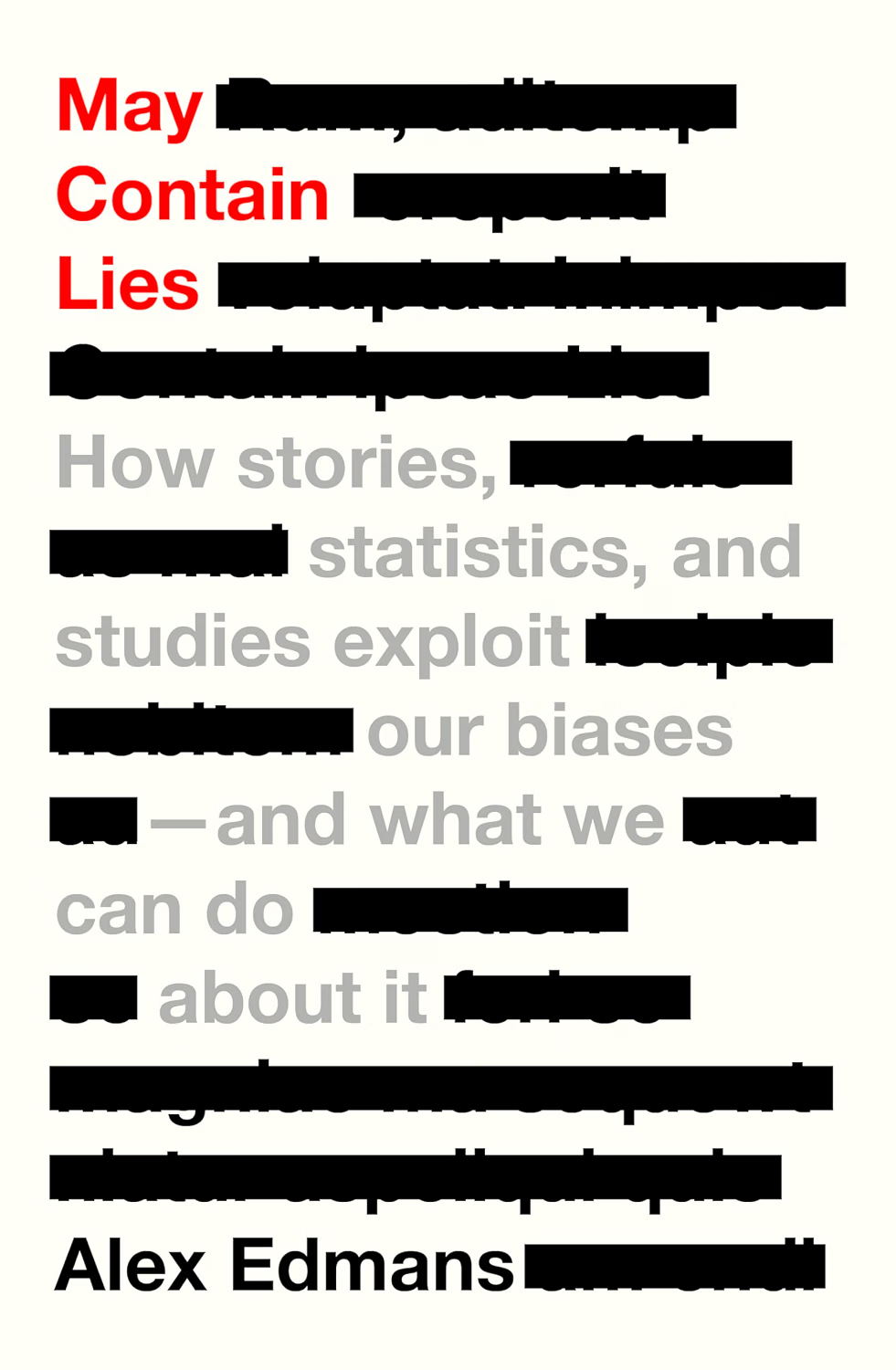
Alex Edmans is a professor of finance at the London Business School, a speaker on finance, and also the author of several books. His latest works are titled The Madness of Markets: Why Smart Investors Make Crazy Decisions--and How to Exploit Them and May Contain Lies: How Stories, Statistics, and Studies Exploit Our Biases—And What We Can Do about It.
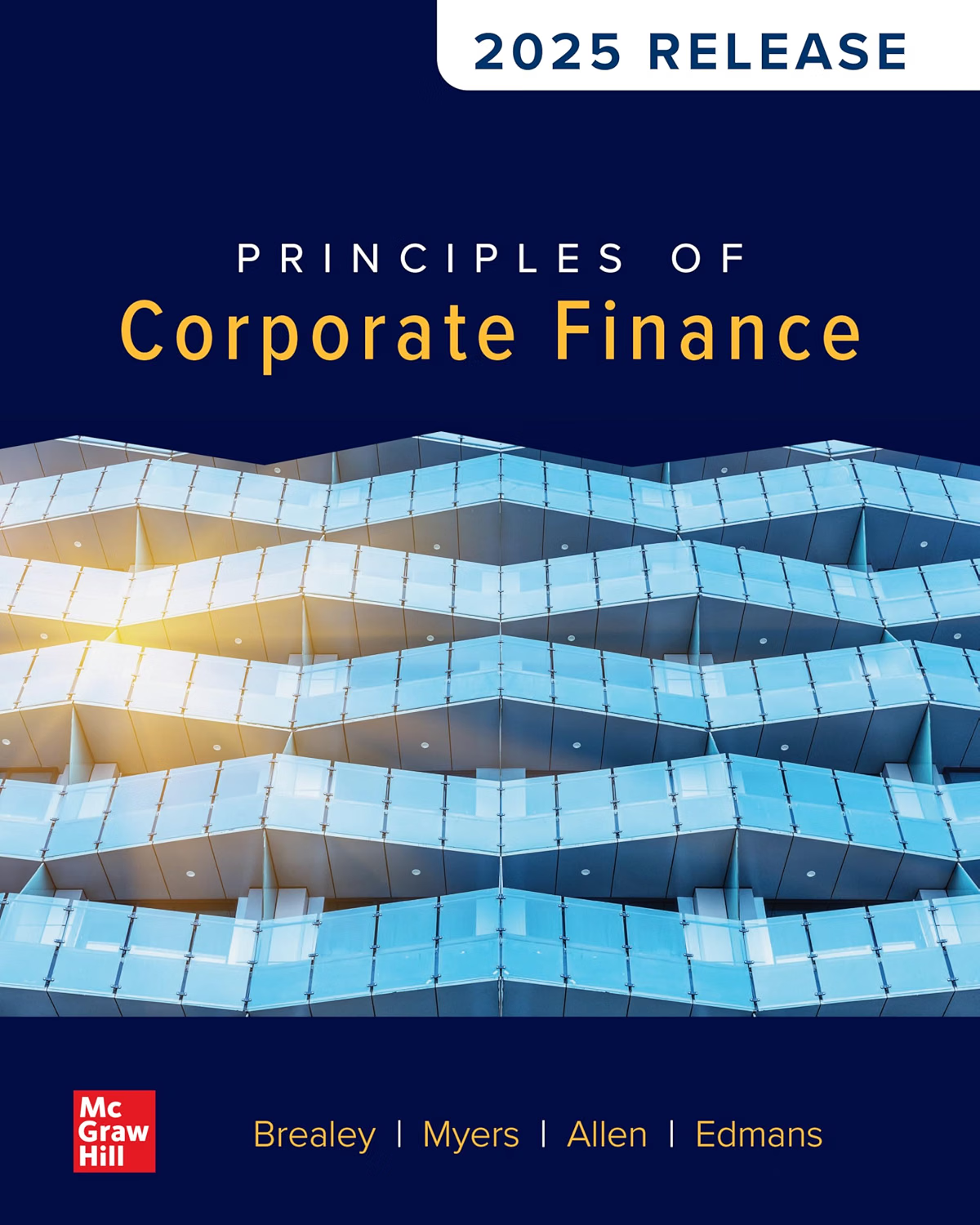
Greg and Alex discuss behavioral finance in many regards, and how it is moving from an “anomalies” appendix into the core of finance. This includes Alex’s addition as an author to the textbook Principles of Corporate Finance, updating Brealey, Myers, and Allen to integrate psychology throughout. Alex argues that markets are not fully efficient because investor sentiment, limited attention, institutional frictions, and limits to arbitrage persist.
They discuss why certain anomalies endure (tech-bubble shorting, investors’ short horizons), how overreaction vs underreaction depends on horizon and salience, and how pros and retail investors can manage biases. Alex shares his research on soccer losses depressing national markets and how you can look for hidden advantages in interesting places like the hazelnuts of Turkey.
unSILOed Podcast is produced by University FM.
Episode Guide:
00:00 Meet Alex Edmans
01:51 Behavioral Finance Goes Mainstream
05:06 SpaceX Hype Trade
06:13 Academia vs Practice Feedback Loop
09:45 Why Factors Miss the Point
11:54 Limits to Arbitrage
15:36 Overreaction vs Underreaction
19:08 When Pros Share Biases
21:55 Know Your Investing Edge
23:32 Retail Info Advantages
27:01 Finding Market Blind Spots
28:01 Sector Silos Trading Edge
29:27 Resetting Portfolio Defaults
31:36 Testing Anomalies With Logic
34:02 Soccer Mood Market Moves
39:03 Why ESG Tradeoffs Hurt
41:49 Behavioral Case For Indexing
45:51 Teaching Behavioral Finance Early
47:41 Debiasing And Growth Mindset
49:13 Make Investing Easy Trading Hard
52:31 Closing Thoughts And Thanks
Episode Quotes:
On why we should make investing easier and trading harder
[51:08] I think we should make investing easier and trading harder. So investing is to be an investor for the long term, to play the game and be in equity markets because over any reasonable period, the returns that you get from equities vastly outstrips what you get from treasury bills or cash. But trading will be responding to every bit of information. And so what Robinhood will do is just send you alerts or, it'll show you what the top movers are, what the most bought stocks are, giving you a sense of FOMO if you're not buying the most, bought stocks. [51:02] But I think what Robinhood does is it makes it very easy to trade, and it creates a lot of urgency. It gives you a lot of information, giving you the sense that you should trade on this information. And what I wanted to highlight in the book is that everybody else has the same information that you're seeing. So unless you have a unique insight which allows you to process that information better, you probably should be ignoring it.
Why investors need to know their edge
[44:56] Only invest in individual companies if you think that you have noticed something that the rest of the investors, including professional investors, has not.
The strength of behavioral finance in diagnosing market overreactions and underreactions
[16:09] This is a critique of behavioral finance that I think should be taken seriously, and I think it's a well-formulated one. So the argument is, well, sometimes the market overreacts to stuff, and sometimes the market underreacts to stuff. How do we know which is which? Which direction should we trade? Do we know whether the market is oversold or overbought right now in the AI potential bubble? Is it a bubble, or is it that it could go even higher? So, here is where I think behavioral finance really has strength, is that it is able to diagnose when there might be overreaction or underreaction based on historic data.
Show Links:
Recommended Resources:
Guest Profile:
Guest Work:
The Madness of Markets: Why Smart Investors Make Crazy Decisions--and How to Exploit Them
Grow the Pie: How Great Companies Deliver Both Purpose and Profit – Updated and Revised