
Episode 673: Carl Benedikt Frey

August 5th, 2026
Listen to Episode on:


Watch the Unabridged Interview:
Order Books
The World’s Progress Has Stagnated & AI Might Not Change That
What does the history of human innovation tell us about the current moment we’re in? It tells us that, despite the computational and AI gains of the last few decades, the world’s progress is a bit flat. Why?
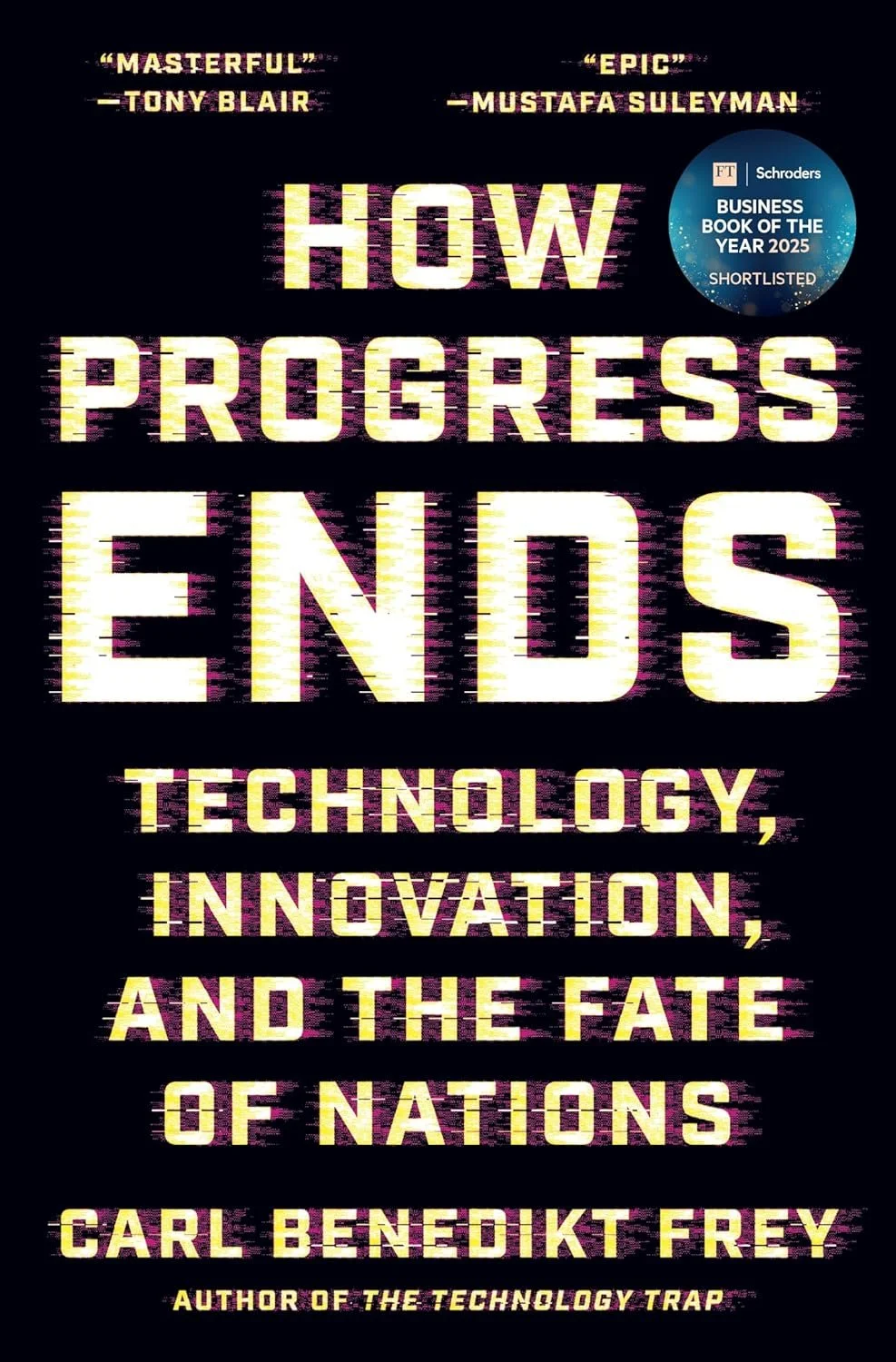
Carl Benedikt Frey is an associate professor of AI & Work at the University of Oxford and directs the Future of Work Programme at Oxford. His latest book, How Progress Ends: Technology, Innovation, and the Fate of Nations, examines the world’s start and stall relationship with progress over the last thousand years.
In this episode, Carl and Greg dive into the history of how centralized and decentralized systems have impacted the world’s technological innovation. They contrast China’s earlier technological lead and bureaucratic state-building with Europe’s decentralized politics that enabled the Scientific and Industrial Revolutions, Prussia’s critical role in advancing progress, and why despite the breakthroughs with AI, the world could be facing an era of less progress and more stagnation.
*unSILOed Podcast is produced by University FM.*
Episode Quotes:
The real driver of progress
[49:28] Most progress comes from doing new and previously inconceivable things. And if we begin seeing more entry in the AI applied to entirely new products and industries, then I think it can be a much more sustained productivity growth. And so how progress ends refers to the pattern that what we've seen globally for the past two decades is productivity stagnation. And the point is not that that trend cannot be reversed, but doesn't look too encouraging at the moment, I would say.
Is US innovation actually paying off?
[47:16] I think even if you look at space innovation, the, sort of, real upsurge comes in the 1990s with privatization. And so since then if you look at patenting we haven't seen anything similar. And I don't want to diminish the compliments of SpaceX, but I think it's a continuation of what happened in the '90s, not the new pattern. And clearly there's innovation happening in the United States, but it's not yet showing up in the productivity statistics. And so, you can have exponential technologies without exponential growth.
How historical incentives created the meritocratic state capacity behind East Asia's successful industrial policy.
[14:00] To study for the civil service examination, you had to memorize the Confucian classics. There was no emphasis on science, technology, and engineering. And it was the way that you could move up in the social hierarchy. It was the best escalator for social mobility there was. And so if Galileo had been born in China, he would probably have been a bureaucrat rather than a scientist, and such were the incentives. And I think it's interesting, and I think it's a point worthwhile making, that really long-lasting legacy of a meritocratic civil service is still there in China today, and it's still there in East Asia more broadly, and it's still there in the countries that we think of as being the most successful in industrial policy, right?
Show Links:
Recommended Resources:
Guest Profile:
Faculty Profile at University of Oxford
Professional Website
Professional Profile on LinkedIn
Guest Work:
How Progress Ends: Technology, Innovation, and the Fate of Nations
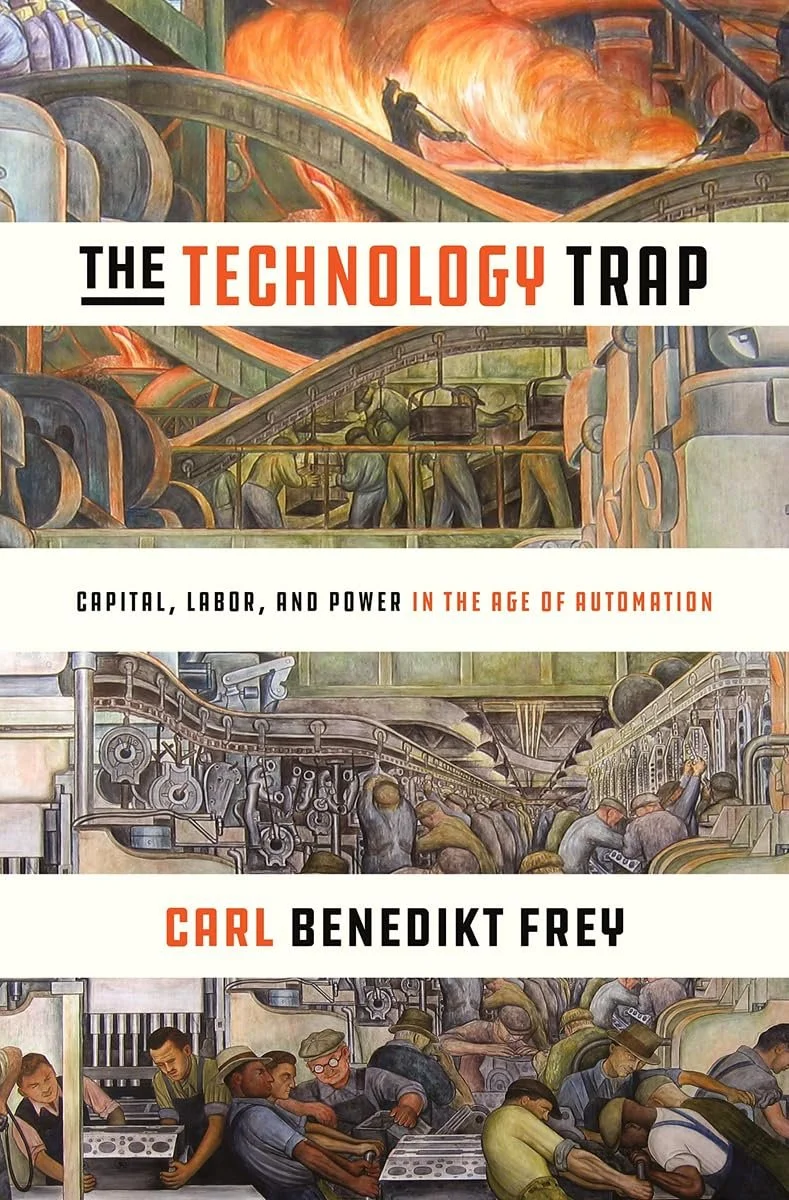
The Technology Trap: Capital, Labor, and Power in the Age of Automation
If you enjoyed this show, here are some other unSILOed episodes you may like: