
Episode 672: Vivienne Ming
July 31st, 2026
Listen to Episode on:


Watch the Unabridged Interview:
Order Books
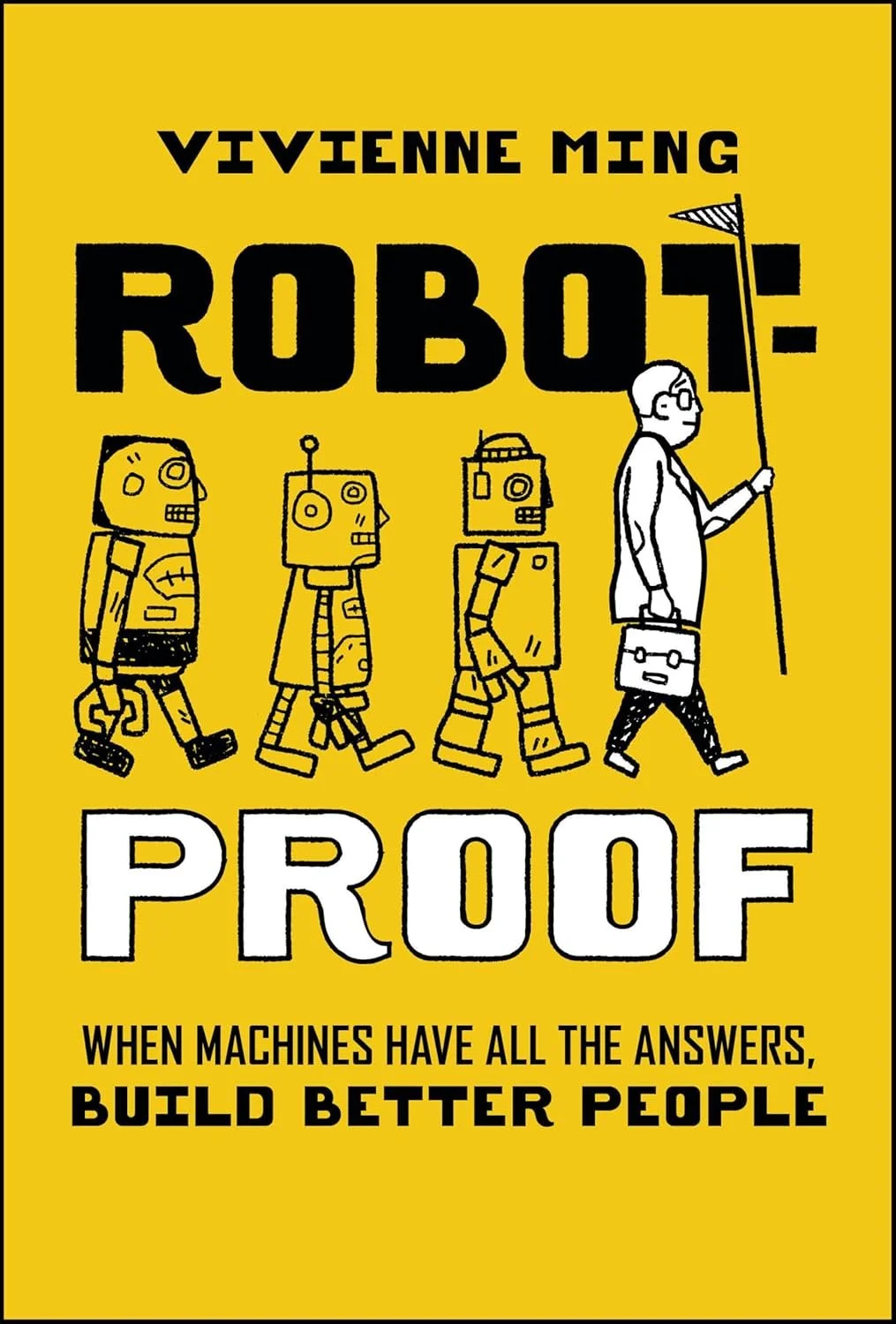
Robot-Proof Yourself: Navigating AI's Impact on Work and Life
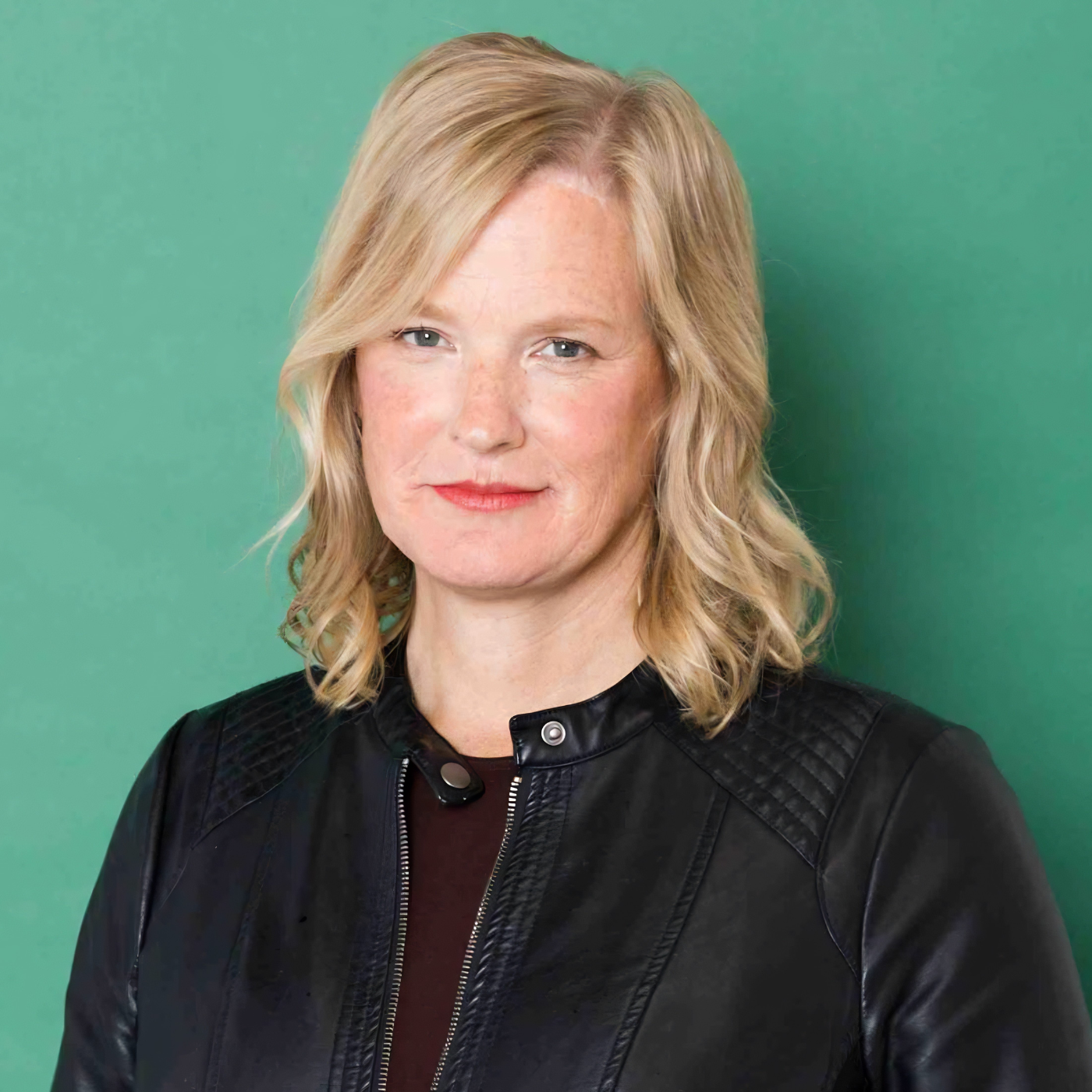
Vivienne Ming is the executive chair at Human Trust, Founder and Executive Chair at Socos Labs, Professor, and author of the book Robot-Proof: When Machines Have all the Answers, Build Better People.
Greg and Vivienne talk about how AI will reshape work and why the common narratives are really “lazy myths.” Vivienne argues that AI is superhuman at well‑posed problems but humans still retain a relative advantage in ‘ill‑posed problems,’ contributing to a U‑shaped labor demand with erosion of jobs in the middle of it. She criticizes benchmark-driven, autonomous AI development and calls for optimizing hybrid intelligence, better education focused on foundation/meta‑learning skills (curiosity, working memory, perspective-taking, intellectual humility).
Vivienne and Greg debate the merits of UBI as a solution, when discussing how destabilizing mass unemployment would be, and describes experiments where human‑AI “cyborgs” matched expert prediction markets when participants actively challenged AI rather than copying it. She ultimately delivers her message of hope for the future and belief in the humanity of humans.
*unSILOed Podcast is produced by University FM.*
Episode Quotes:
Where humans beat AI
13:47: The most interesting problems that feel rare to us, but in almost the entire game are the ill-posed problems. These are the things where, forget right answers, we don't even know what the questions are. And, it may seem sort of trivially, almost axiomatic, to say that while the space of well-posed problems is vast, everything humanity has figured out. Play around with Gemini or GPT or any model you want and be proud. What it can produce is a testament to what humanity has discovered about the world. And sometimes it produces ugly things, and that's a reflection of us too. But the set of things we do not yet know is infinite. Our relative advantage is in ill-posed problems.
The importance of foundational skills
45:25: Developing foundation skills isn't just about a better job. It's about a better life. What an amazing opportunity to take this moment in history and not just concern ourselves with whether I'm gonna boo Eric Schmidt because he's doubling down on AI and I feel like I'm losing a job, but to actually see that moment as an opportunity to invest in humanity in the way, almost paradoxically, we always should have been, but we didn't have to, and so we didn't.
On transforming people relationship with work
22:56: Viewing your college education simply as a license to earn money, I think, also deserves a lot of self-skepticism. So we need to really transform work, but we also need to transform people's relationships with work, because we simply don't run a factory line economy anymore. I don't need you to be a very sophisticated cog where you're given orders and you execute them, and only a few people are smart enough, like you, to execute those orders. Pretty much everyone's job now, if I may be so self-elevating, is my job. People bring you unknown problems, you gotta figure them out, and I think that's terrifying, and no one's educating the next generation workforce on how to do it.