
Episode 633: Christine Rosen

March 23rd, 2026
Listen to Episode on:


Watch the Unabridged Interview:
Order Books

The Case for Being Human in a Digital World
While philosophers have long wrestled with questions about technology’s impact on humanity, these questions have taken on a whole new level of urgency and significance with the rise of AI, smartphones, and the Internet. It’s more pressing than ever now to ask: What does it mean to be human?
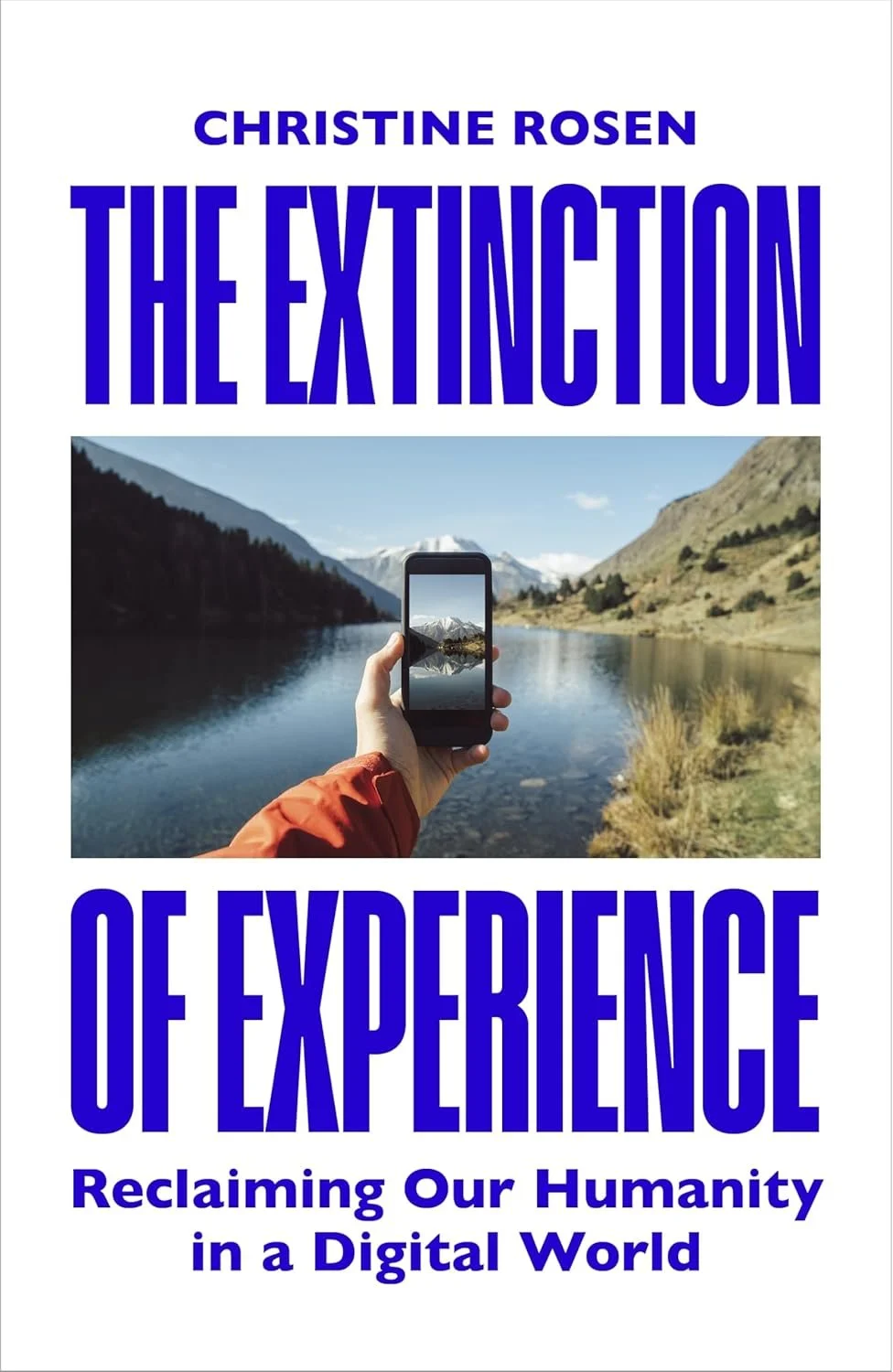
Christine Rosen is a senior fellow at the American Enterprise Institute and a fellow at the University of Virginia’s Institute for Advanced Studies in Culture. Her latest book, The Extinction of Experience, delves into how modern technologies are reshaping what it means to be human by mediating experience, promising convenience and control while subtly narrowing choices and changing social norms.
Christine and Greg discuss the trade-offs of this digital age: as friction, risk, boredom, and unstructured time disappear, so do the skills and forms of attention that develop through direct interaction with other people and the world. They argue that many of these technologies offer safe simulations of connection that can weaken real relationships, and explore what a renewed humanism would look like.
*unSILOed Podcast is produced by University FM.*
Episode Quotes:
Why technology removes the friction that makes us human
07:37: This is the really seductive thing about these technologies is that they do both at the same time, and they do that by promising us control. And they give us control. If I am having a FaceTime conversation with someone and it gets awkward, or I don't want to continue anymore, I can just press a button and that person disappears. If I'm standing with them face-to-face, I can't really do that. I have to adapt to the situation. I have to deal with it in a completely different way. I would argue a more human way with a lot of friction. So then I learn certain skills of how to be a better human being in those situations. The mediating technology flattens, makes easier, convenient, and more control is promised, and it gives us that.
The hidden value in boredom
28:48: Boredom opens up all kinds of meandering paths in the brain that take you to really interesting places if you let it.
Protecting human relationships in the age of AI
20:44: We are at a crucial moment right now, particularly with the huge push to integrate AI into so many aspects of life, education, work, home, your daily life. I just think that we have this opportunity now to really be clear about what it is we value in human relationships and what makes it unique and distinct and important to protect those relationships.
Why friction and failure are essential for human development
11:21: We learned by failing. We learned with a lot of friction. We learned by having arguments and fights and all that stuff. If kids today don't get that experience as kids in a safe environment with people who love and care for them, when they become adults it is scary because you have to practice. So I would say these are important human skills, and we can no longer take them for granted because there are alternative things to do, like never talk to another human being. But ultimately, I think rates of loneliness and isolation and anxiety suggest that that isn't really the way most people want to live their lives.
Show Links:
Recommended Resources:
Guest Profile:
Fellow Profile at American Enterprise Institute