
Episode 632: J. Eric Oliver

March 23rd, 2026
Listen to Episode on:


Watch the Unabridged Interview:
Order Books

Knowing Yourself, Intuition vs. Reason, and the Crisis of Modern Meaning
How is modern self-knowledge acquired? In what ways can ‘yoga of the mind’ help you find and explore new thoughts and thought processes, giving you ongoing courage to confront discomfort and realign consciousness beyond ego narratives?
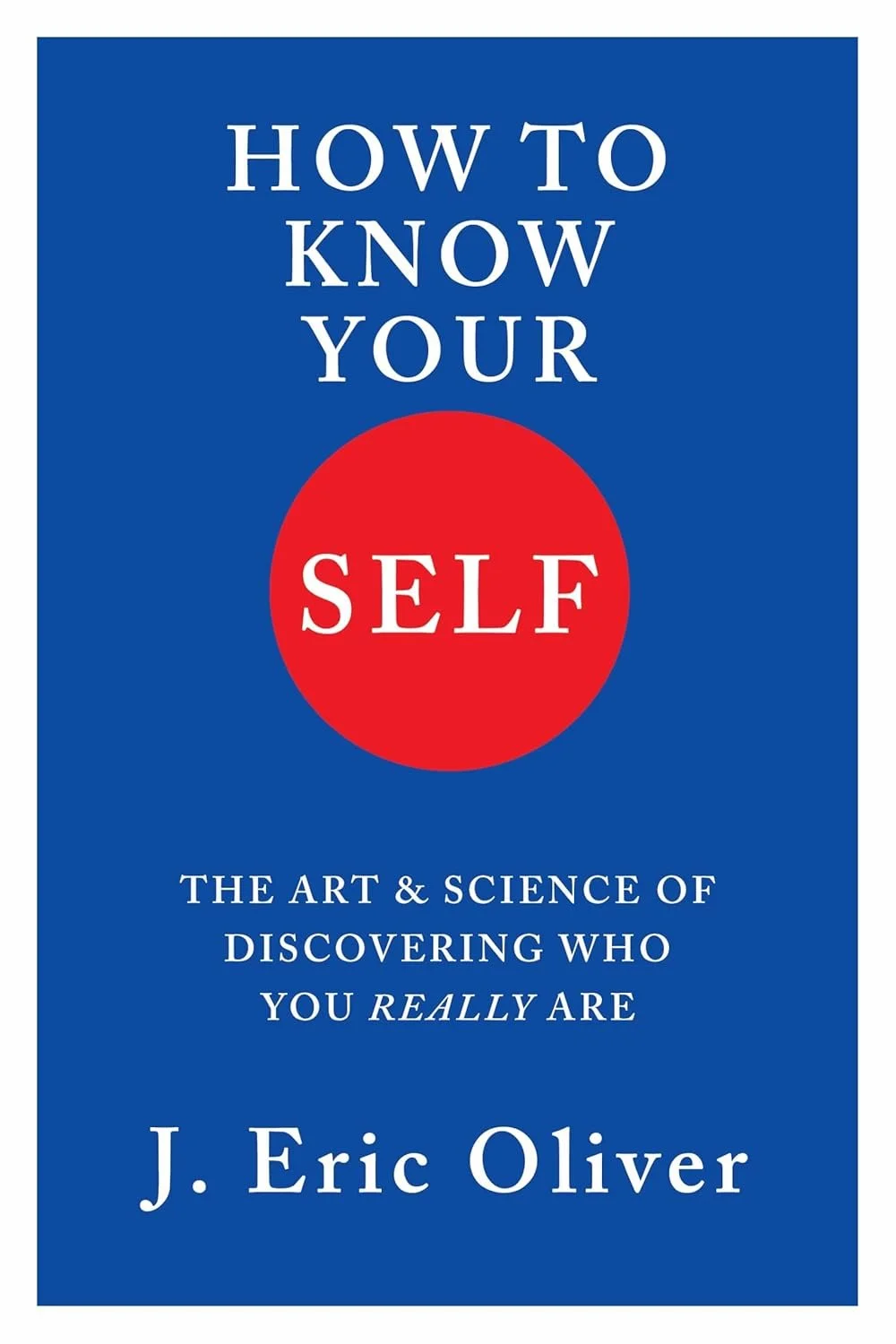
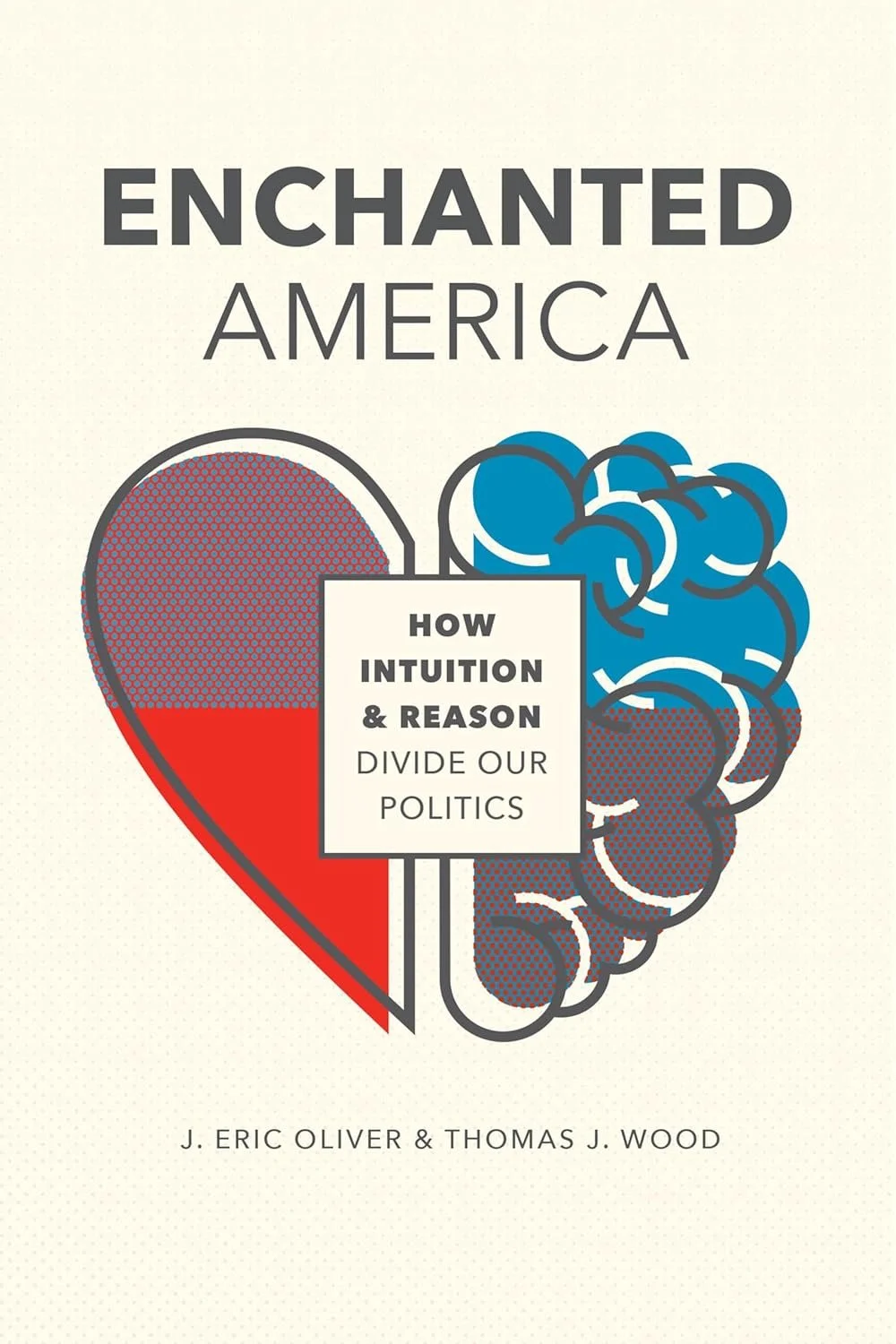
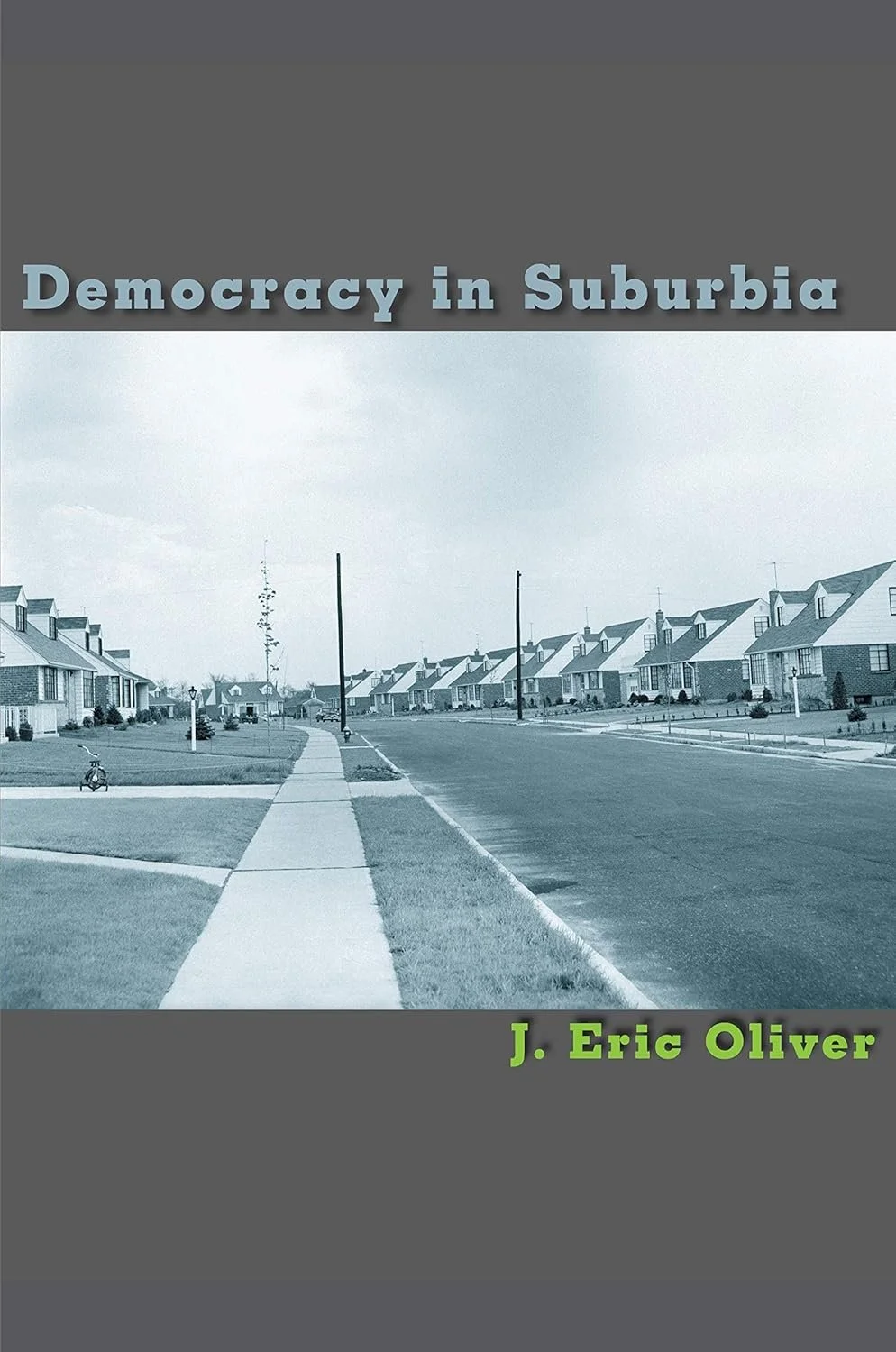
J. Eric Oliver is a professor of political science at the University of Chicago and is also the author of several books. His latest titles are How To Know Your Self: The Art & Science of Discovering Who You Really Are, Democracy in Suburbia, and Enchanted America: How Intuition & Reason Divide Our Politics.
Greg and Eric discuss Eric’s popular Knowing Yourself course, combining neuroscience, Buddhism, philosophy, psychology, and reflective exercises. Eric explains the evolution of the class from abstract texts to practical self-inquiry aimed at expanding students’ vocabulary of lived experience, identifying unhelpful mental loops, and cultivating empathy by seeing the self as layered processes shared with other beings. He connects this work to his earlier research in Enchanted America on intuition, conspiracy beliefs, and the political rise of intuitionism, arguing that weakened institutional authority and information overload amplify anxiety.
*unSILOed Podcast is produced by University FM.*
Episode Quotes:
The Gold Star illusion is not an end all be all
30:15: Most high achieving, intellectually engaged people, I think, are brought up with this Gold Star illusion, which is this thing that if I could just collect all of my gold stars, you know, go to the right schools, get the right job, find the right person, buy the right house, then this sort of happily ever after scenario awaits me. And then what most of us find is that even after we collect all these gold stars, the neurosis and anxieties and miseries don't go away. If anything, they become more profound. And so part of what I'm trying to do, at least with my undergraduates, is sort of say, okay, it's helpful if you can sort of, even if you're going to be on the Gold Star trajectory, because that's so powerfully inculcated into you to begin to realize that that's not going to be the end all be all. Because when you get to the end of that gold star rainbow and you realized, “oh, is this all there is?” You won't be at such a loss, and there won't be necessarily the same level of crisis that awaits you.
There is no self as a noun, we are verbs
36:56: There is no self as a noun. We are verbs, we're processes, so we're continually unfolding. And this is great news because we're not stuck in any way. You're not a bad person, you're not a fixed person.
Why the information age makes us anxious
20:06: With the explosion of our information technologies and the ability for someone who has a conspiracy theory to suddenly post things online and have just enormous reach that 20 years ago they wouldn't have, suddenly floods our discourse space with these alternative paradigms and these alternative ways of understanding the world, and the fact that we are so saturated now with information from around the globe. So how can we not be anxious?