
Episode 631: Emanuel Derman

March 18th, 2026
Listen to Episode on:


Watch the Unabridged Interview:
Order Books

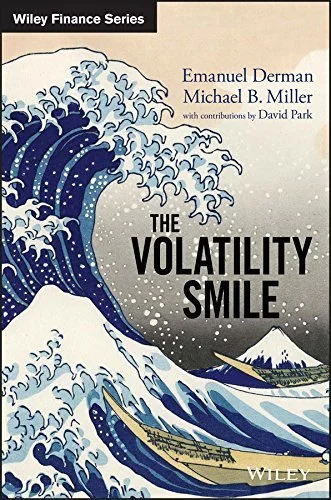
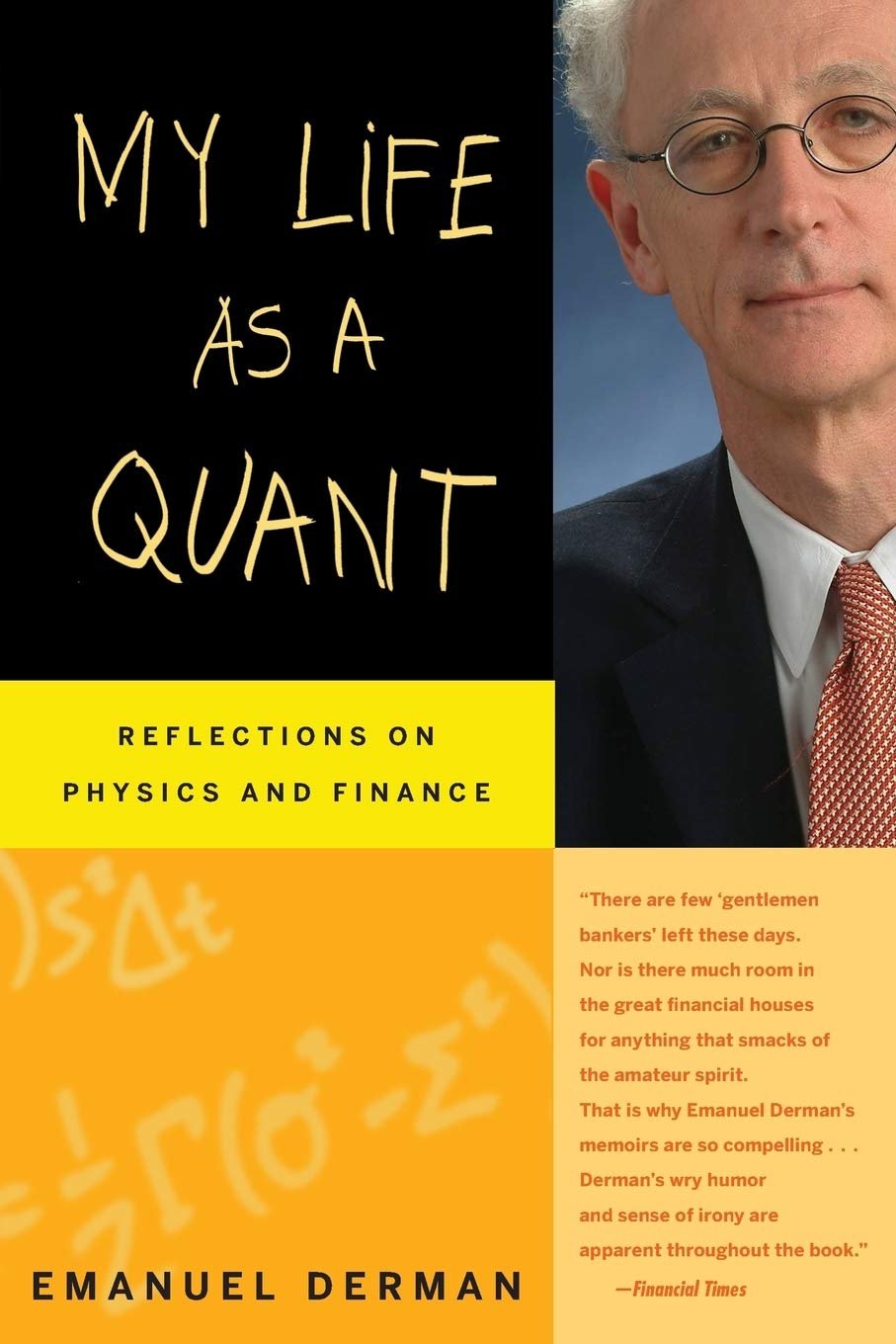
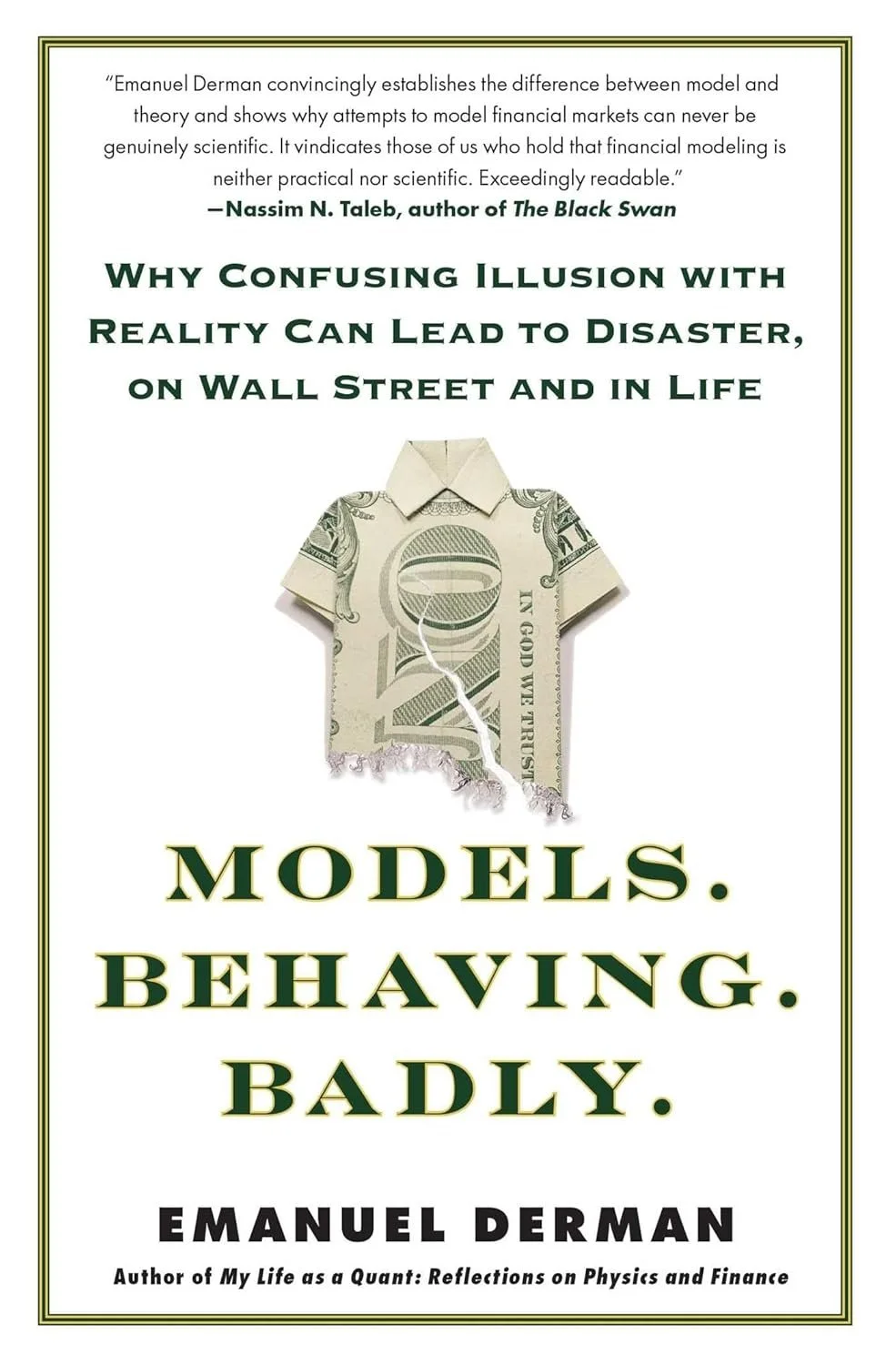
A Physicist’s View on the Inherent Risks of Financial Modeling
What do particle physicists and Wall Street traders have in common? How did finance become more like physics, and how is physics now becoming more like finance?
Emanuel Derman is an emeritus professor at Columbia in financial engineering and the author of several books, including My Life as a Quant: Reflections on Physics and Finance and Models. Behaving. Badly.: Why Confusing Illusion with Reality Can Lead to Disaster, on Wall Street and in Life. His work examines the entanglement of physics and finance, using memoir to reveal hidden truths about the theories and models practitioners rely on.
Greg and Emanuel discuss his transition from physics to Wall Street, revealing that he found finance to be more social and creative. They also explore how early quant work required both theory and hands-on programming, what distinguishes models from theories, and why, despite some superficial similarities, the fields of finance and physics couldn’t be more different.
*unSILOed Podcast is produced by University FM.*
Episode Quotes:
Financial models require confidence without hubris
29:29: In my life as a quant, I think I said you had to be cocky when you were using models and push them as far as you possibly could, but stop short of hubris, and I think that's important. You ought to understand that your model isn't going to be correct. In the end, the world is going to violate it.
When physics meets social sciences
09:35: I think to some extent they [psychists] confuse accuracy with point of view. Even progressive theories get more and more accurate. Newton's laws aren't as accurate as relativity, but they still, both theories, the one just does better than the other, but they still have this nature of saying, let me describe the way the world works rather than, let me make an analogy.
Why model builders must explain where models fail
30:46: There's a clear distinction between concentrators to tell the people that use it that this is where it's going to fail, as best I can see. And they'll use it in this regime. And these are the assumptions I'm making. Don't just let them run wild with the formula. I think traders are smarter now and more numerate and maybe understand this better, but I think that's important.
Why financial engineers need perspective beyond mathematics
28:13: I don't think one should be teaching philosophy necessarily, but I think one should learn enough to know about the history of finance and to be able to back off a little and look at what you're doing. Not just, I don't know. I have a feeling more and more of the programs focus on mathematics and behavioral psychology.
Show Links:
Recommended Resources:
Guest Profile:
Faculty Profile at Columbia University
Professional Website
Professional Profile on X