
Episode 613: Gary Hamel

January 19th, 2026
Listen to Episode on:


Watch the Unabridged Interview:
Order Books
Challenging Bureaucracy: Management Insights
Where did the concept of management as a profession come from, and how did it develop? Why do bureaucratic practices persist? How can companies break free from those constraints to unlock greater potential and adapt more effectively to the relentless change and competition in today’s business world?
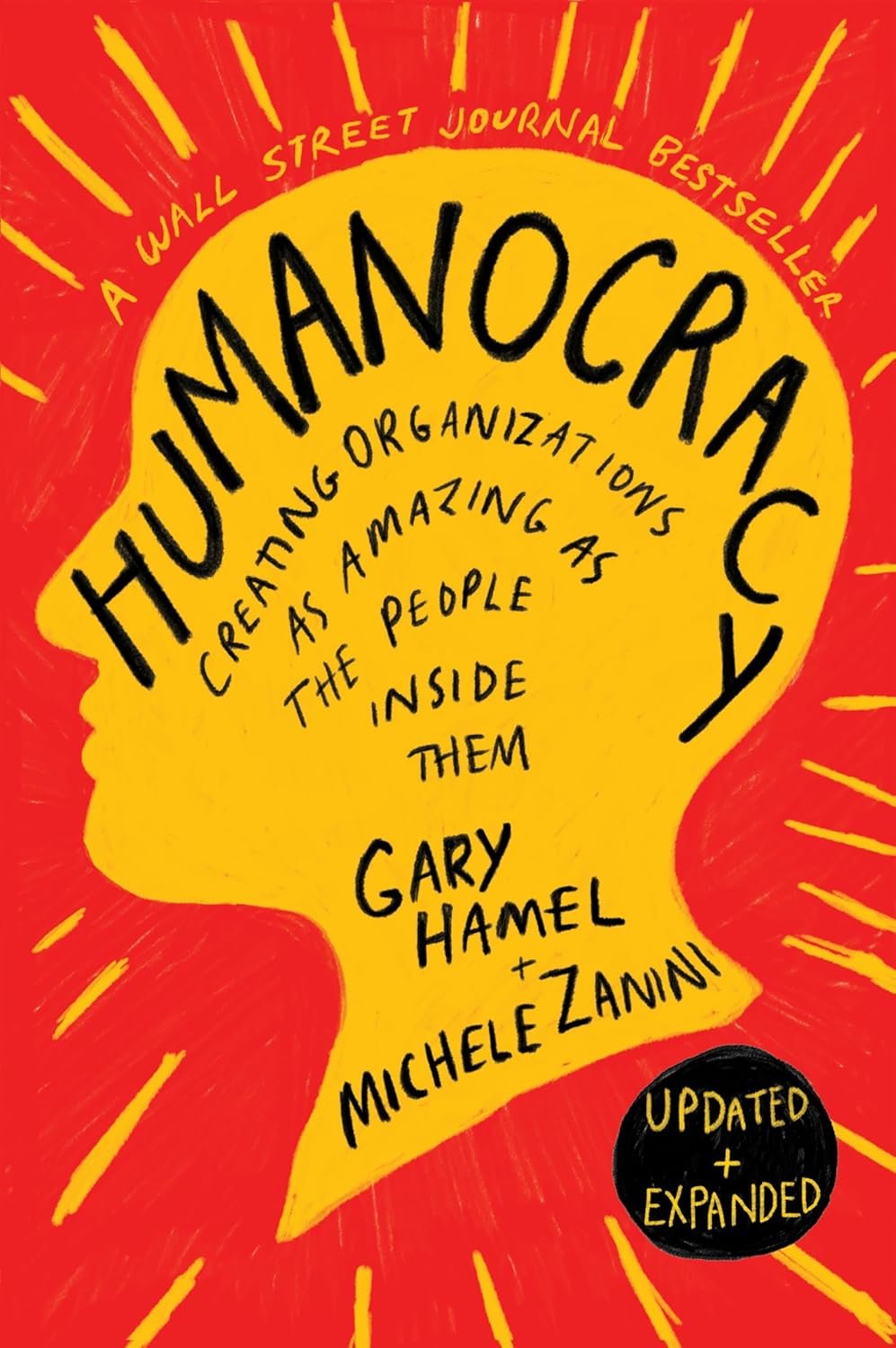
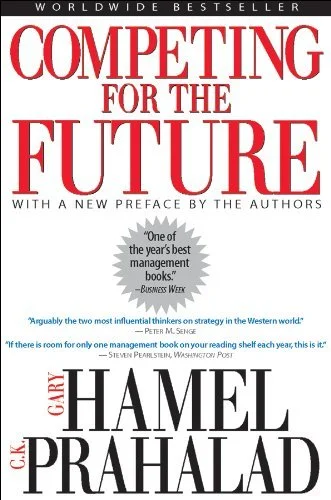
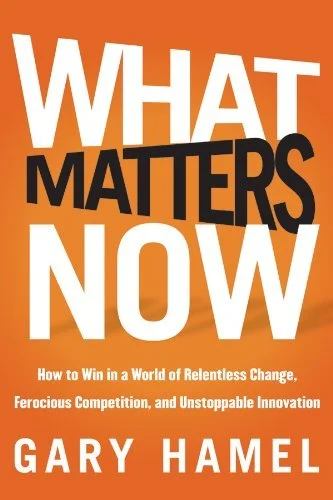
Gary Hamel is the founder of the Management Lab, a professor at the London Business School, visiting professor at the University of Oxford, and the author of several books. His recent titles include Humanocracy, Creating Organizations as Amazing as the People Inside Them, What Matters Now: How to Win in a World of Relentless Change, Ferocious Competition, and Unstoppable Innovation, and Competing for the Future.
Greg and Gary discuss the evolution of Gary’s thinking on management over the years and the detrimental effects of entrenched bureaucratic systems in organizations. He argues that bureaucracy stifles innovation, efficiency, and human engagement, leading him to suggest that organizations need to adopt more human-centric, dynamic, and decentralized models. He also points out the eventual trajectory of all companies that don’t follow this path.
*unSILOed Podcast is produced by University FM.*
Episode Quotes:
Why organizations stop being technical and start being bureaucratic
08:29: I don’t think administrative skills are any more a competitive advantage. You need them, but they are not much of a differentiator. So far as I can see, they are not really a source of competitive advantage. And yet, given that history of them being so rare, we basically turned our organizations into administrative aristocracies . And so what that meant practically was, once you reached a certain level in an organization, a fairly low level, the only way to advance your career was to become a manager. And that is still true in most organizations. People tend to compete for those jobs because, and I have young friends, and kids and so on who, very capable people worked in organizations, and however capable you are technically, you reach a point where they are coaxing you into an administrative or managerial role as the only way to grow. And the desire to keep great employees and to pay them well means that those positions proliferate. We create more managerial roles because that is the way of rewarding people and escalating their salaries.
The radical shift from static hierarchy to dynamic power
39:04: I am all for having a hierarchy, but I think it needs to be highly dynamic depending on the issue, and the hierarchy needs to be able to shift also. When people in power are no longer adding value or whatever they need to, you need to be able to fire those people from below.
Why traditional leadership programs create administrators, not leaders
47:18: In survey after survey, by Fortune, by McKinsey or others, the vast majority of executives do not think leadership development is producing positive returns or noticeably positive returns. And again, I think the reason for that is what we call leadership development is, first of all, almost done completely in the bureaucratic frame. We are not trying to find people with genuine leadership, natural leadership capacity. We are not trying to find people who understand how to mobilize and catalyze others to do things that people thought were impossible. Our leadership training is basically training people to take on bigger administrative jobs and stratified just like the pyramid: managing yourself, managing a team, managing a unit, managing a function, managing the organization. So number one, we have that problem. It is simply replicating, and it is creating better administrators. I do not think the data says that it is creating leaders.