
Episode 614: Guido Tabellini

January 23rd, 2026
Listen to Episode on:


Watch the Unabridged Interview:
Order Books

Understanding the Great Divergence: Europe vs China from 1000 to 2000
What changes happened in the histories of Europe and China to create two economies that developed so differently? How did different forms of local cooperation influence state development, rule of law, and economic progress?
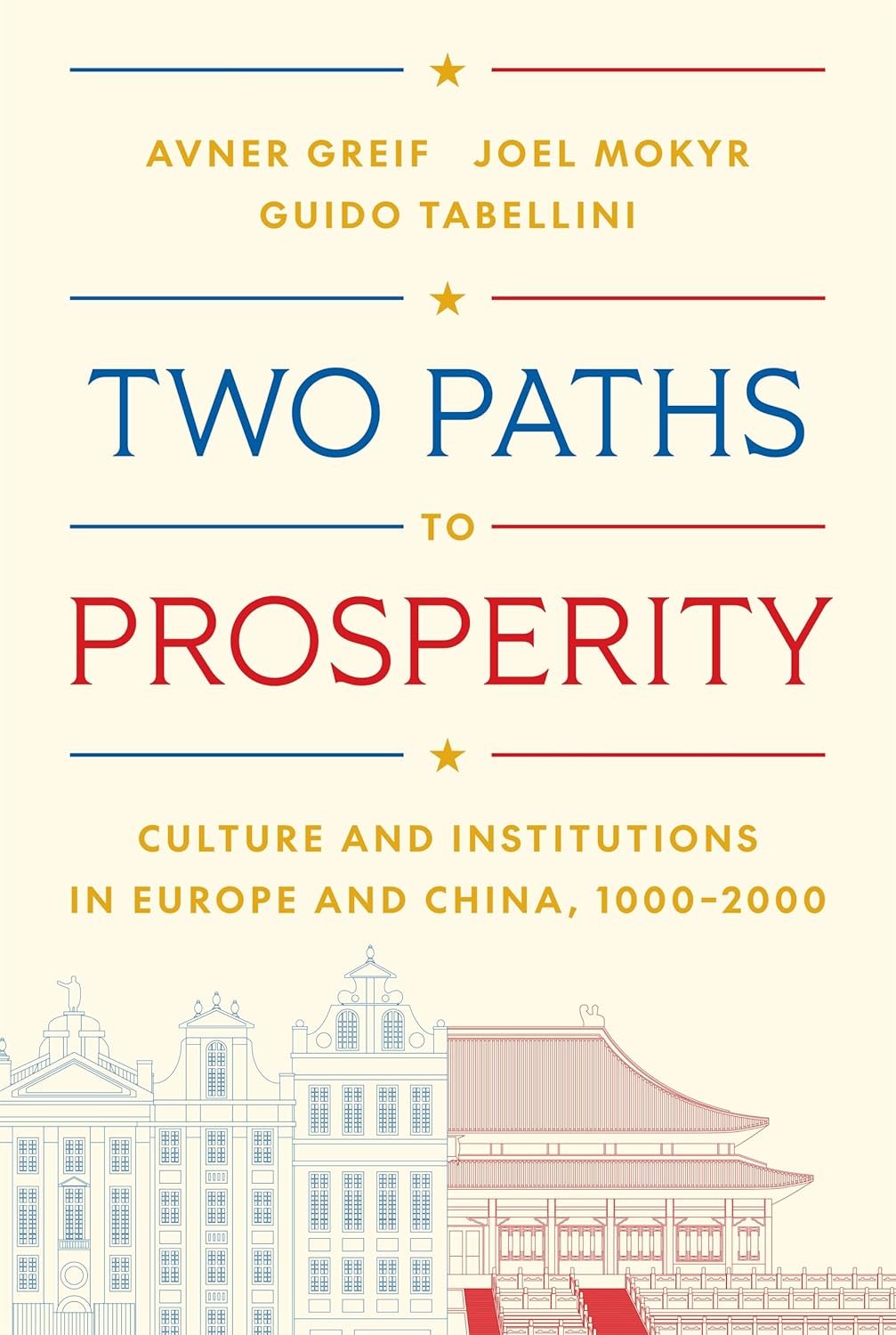
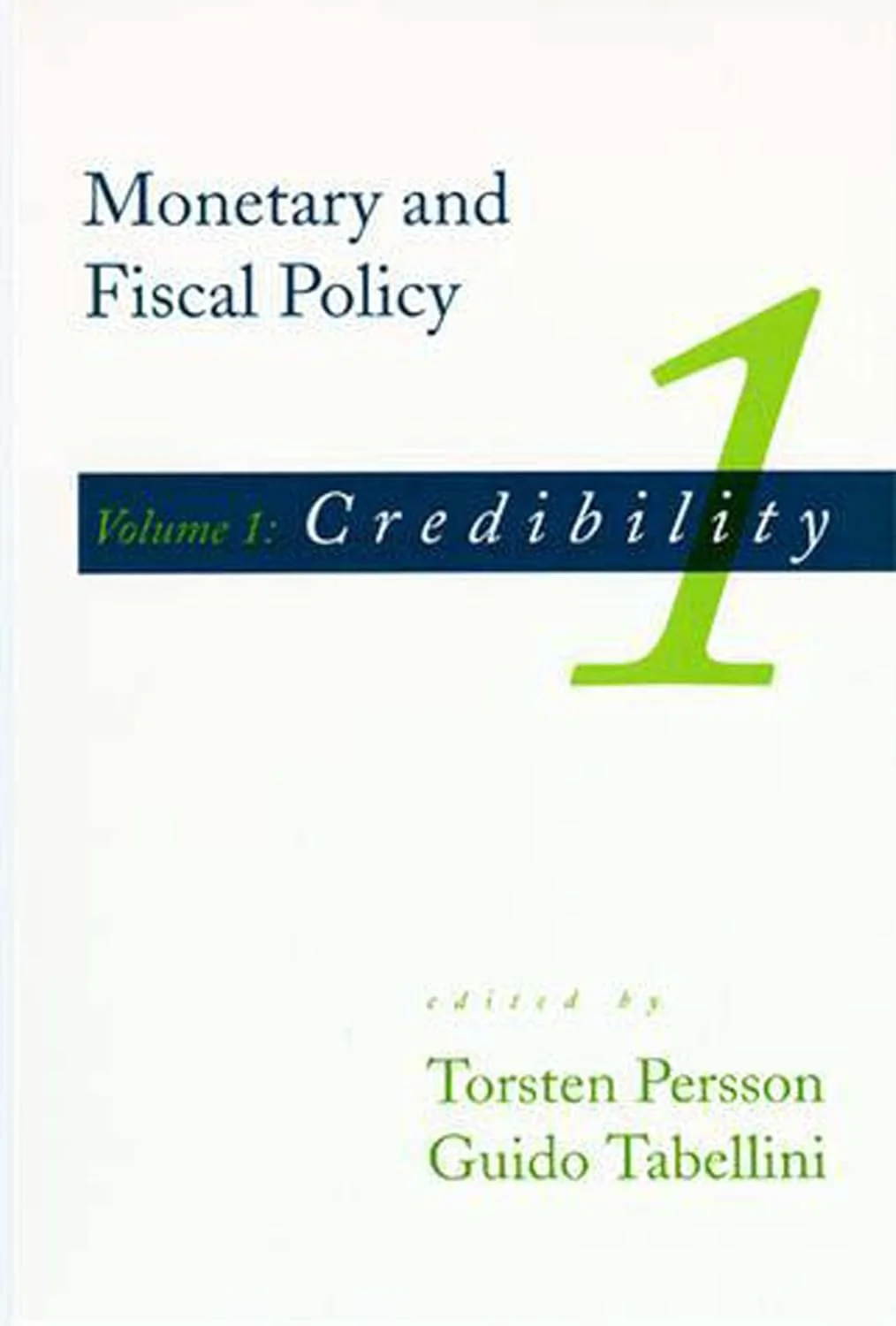
Guido Tabellini is a professor of Political Economics at the University of Bocconi in Milan, Italy. He is also the author of several books, most recently co-authoring Two Paths to Prosperity: Culture and Institutions in Europe and China, 1000–2000.
Greg and Guido discuss the historical divergence in prosperity between Europe and China, exploring when and why it began, and whether it arose from cultural or institutional phenomena. Guido also emphasizes the contrasting roles of corporations and clans in both regions, the impact of state capacity, and the lasting effects of these differences on modern economic and political landscapes. Their conversation touches on the historical process of cooperation in each region and the implications for modern development economics.
*unSILOed Podcast is produced by University FM.*
Episode Quotes:
What are the political origins of corporations?
31:55: So, we should not think of the corporation just as a firm, as a way to organize production that is important, but actually comes at the later stage. And the very important role of the corporation is also to have a political role, to govern a city, to represent a city in parliament, in China. The role of the corporations, when they emerge. Instead, it is purely economic. You do not have self-governing city, and even at the level of monasteries, you do have Buddhist monasteries, which are important, but each one of them is organized as an entity. You do not have a congregation of monasteries like the Cluny monastery or like, eventually, the church.
Reframing the conversation on the Great Divergence
02:34: Rather than talking about great divergence, we actually like to talk about great reversal in the book because it has been a reversal. So even before starting to debate when the divergence begins, meaning that Europe gets ahead of China, we should acknowledge that the opposite was true, that China was ahead of Europe at the turn of the first millennium.
The high stakes of clan adjudication
49:05: In China, the demand for external enforcement was probably less, evident because the clan needed less of an external enforcement. They were smaller communities, they had stronger reciprocal ties. The reputational mechanism within the clan was much more important because if I cheat on my clan member, I am kicked out of the clan. And if I am kicked out of the clan in a society which is organized around clans, I am on my own and I die. In Europe, of course, reputation is very important, but the penalty of cheating is not as harsh. So the altruistic value ties are weaker, and the penalty of cheating is also weaker. And so you have a stronger demand for external enforcement.