
Episode 690: Helen Pilcher
October 9th, 2026
Listen to Episode on:


Watch the Unabridged Interview:
Order Books
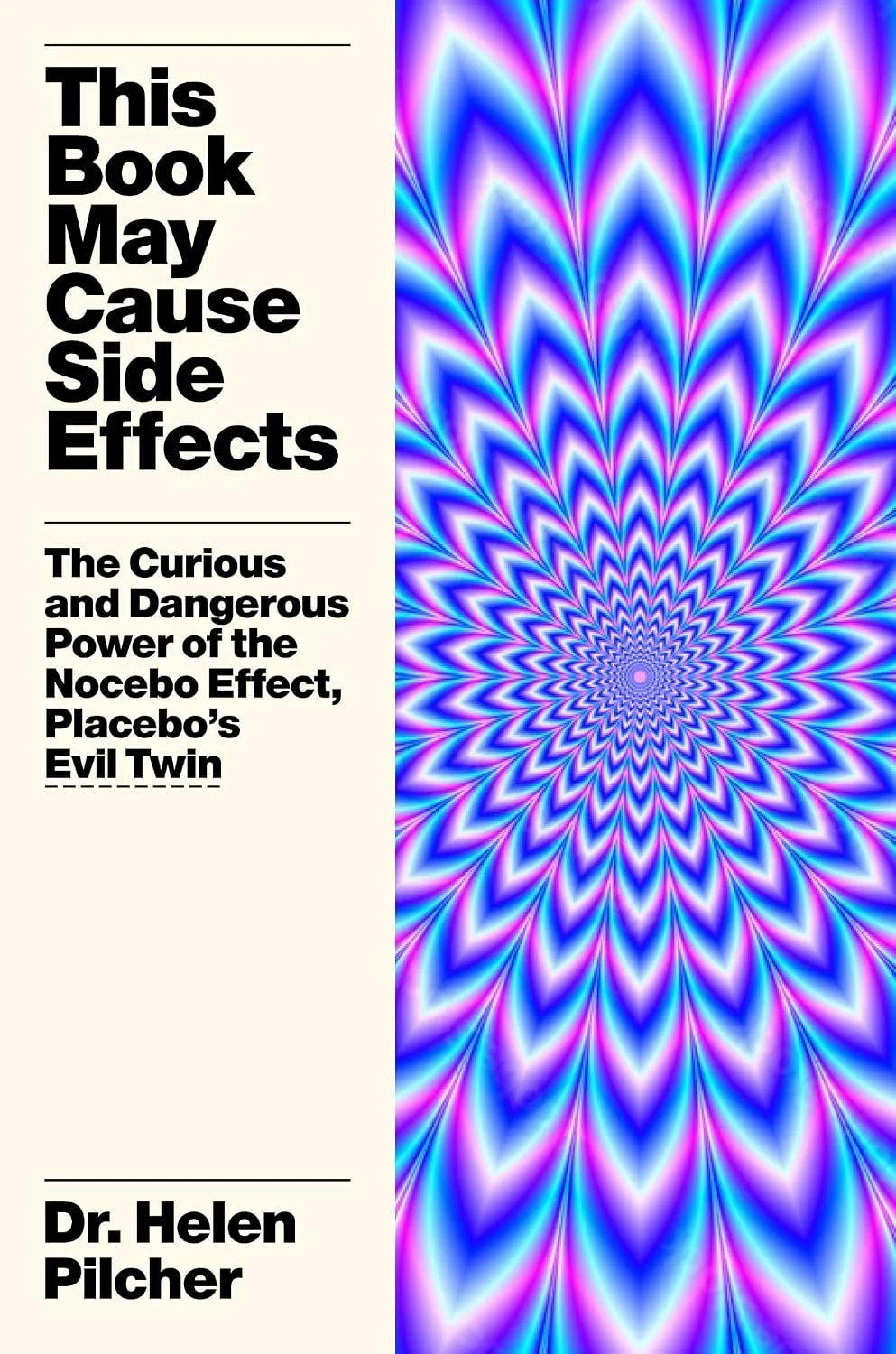
How Your Brain Makes You Sick: The Sark Side of the Placebo Effect
What happens when your brain predicts a symptom that doesn't belong — and your body obeys? Can a diagnosis itself make you sicker? And could the way your doctor delivers bad news change the course of your disease?
Helen Pilcher is a science writer whose work has appeared in Nature, The Guardian, and the BBC. Her new book, This Book May Cause Side Effects: The Curious and Dangerous Power of the Nocebo Effect, Placebo's Evil Twin, explores how negative expectations can produce real, measurable harm in the body.
Helen and Greg discuss how the nocebo effect turns clinical warnings into self-fulfilling prophecies, why modern medicine's culture of full disclosure may be doing patients more harm than good, and how social media has become a new vector for mass psychogenic illness, spreading symptoms as easily as information.
unSILOed Podcast is produced by University FM.
Episode Quotes:
The brain predicts symptoms
01:00:29: What we realize now, is that most of our conscious experience is actually a prediction. It's a controlled hallucination, and most of the time, we get it right. But when we don't get it right, when our brains make a prediction error, that's when all sorts of things can happen. So, that's what creates the nocebo effect. The brain is predicting a symptom where the symptom doesn't belong.
How much medical information is too much?
24:31: One of the things that the medical profession in the West needs to think about is how much information is too much information. And the information that I choose to give, how can I give it better? So I can boost any placebo effect that might be relevant and reduce any nocebo effect that might be relevant.
When illness spreads through social media
43:38: We live in this interconnected world where you can go on social media, you can go on TikTok, your kids can go on TikTok. You can watch people who have illnesses of any kind, from mental health illnesses to physical illnesses. They call themselves chronic illness influencers or illfluencers is the term that I came across. People who we presume, I'm not disputing this, have very genuine health concerns and they're making content about it. And that can play a really, really important role in society because people with certain health conditions can feel quite alienated. It can be quite lonely. This can help them get information. It can help them belong. Sometimes it can put them on a path to treatment. That's the positive side. The downside is that sometimes also seeing people being ill can trigger mirror symptoms.
Show Links:
Recommended Resources:
Guest Profile:
Professional Profile on LinkedIn