
Episode 691: Trevor Jackson
October 13th, 2026
Listen to Episode on:


Watch the Unabridged Interview:
Order Books

The Accidental Origins of Capitalism
Why is it easier to imagine the end of the world than the end of capitalism? Believe it or not, the economic system was not inevitable in human history, and it’s not inevitably in our future either.
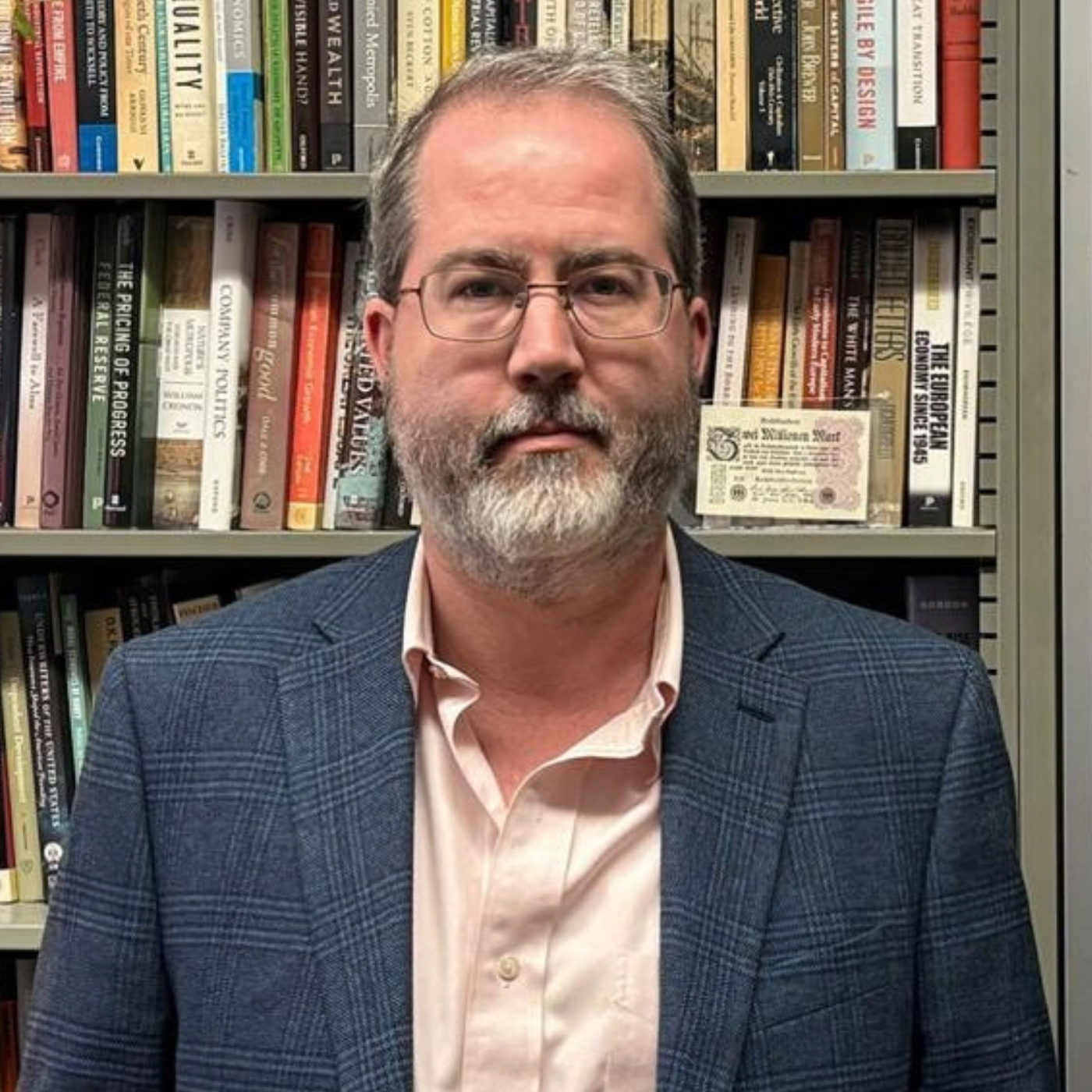
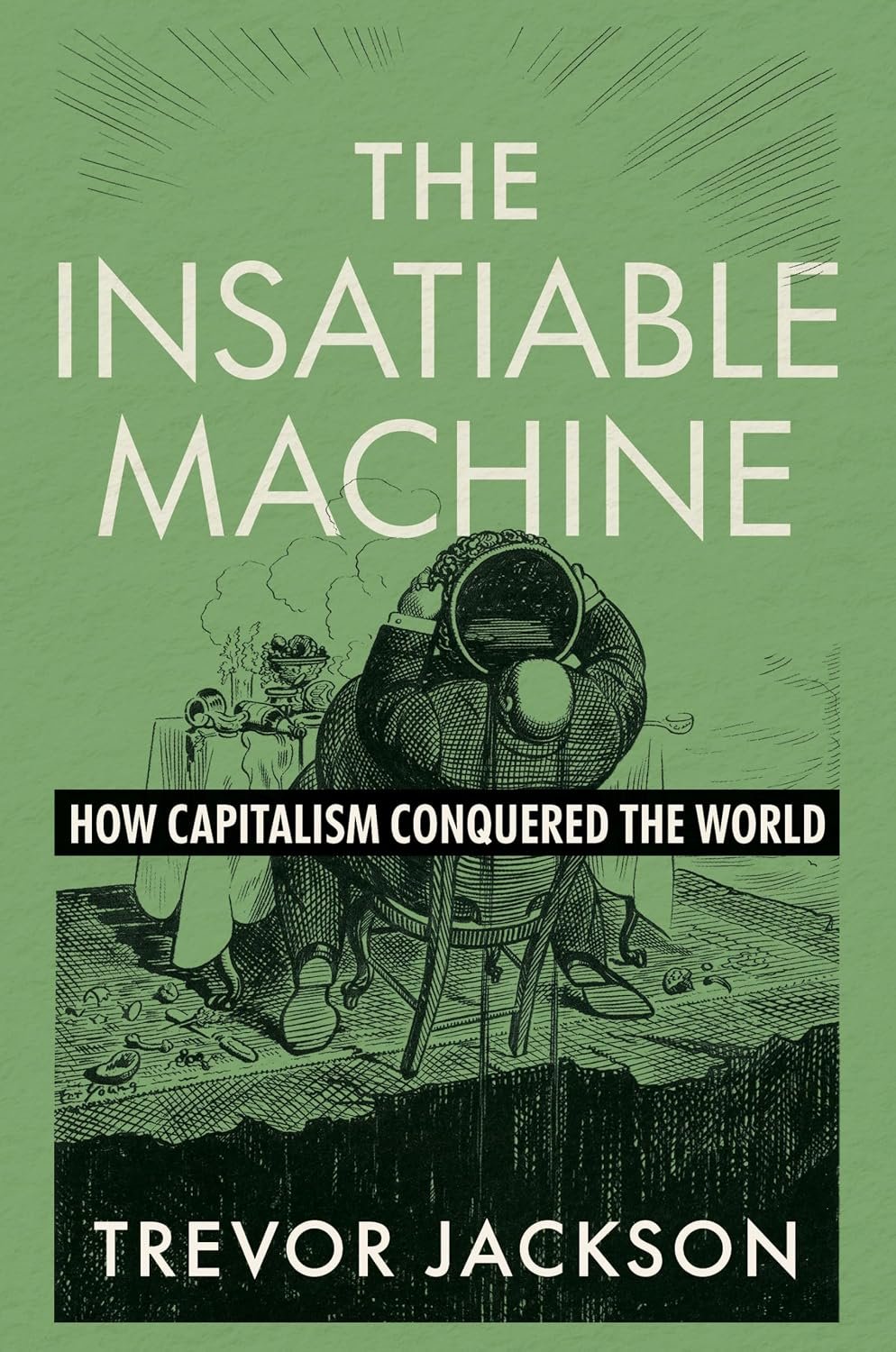
Trevor Jackson is a professor of history and political economy at UC Berkeley. He's the author of The Insatiable Machine: How Capitalism Conquered the World, a book that traces the origins and evolution of capitalism, as well as Impunity and Capitalism: The Afterlives of European Financial Crises, 1690–1830.
Trevor and Greg discuss how capitalism emerged not by design but through accidental solutions to immediate problems, why historians and economists see the past so differently, and how financial crises went from being treated as crimes to being treated as natural disasters. They also explore the purpose of history in the modern world and why academic historians have lost faith in their own relevance even as public demand for historical knowledge has never been higher.
unSILOed Podcast is produced by University FM.
Episode Quotes:
What makes capitalism distinctive?
27:51: To me, what is distinctive about capitalism is not that we have commodity markets, because indeed we can find those in ancient Rome, we can find those in the Soviet Union, if we try hard enough, but rather markets in the factors of production: land, labor, and capital. So if I go to ancient Rome, can I found an AI startup? No. There is no land market for me to buy land. It is distributed by the state. There might be some labor markets in skilled labor, but most people are in unfree labor conditions. Are there banks? No. If I go to the Soviet Union, can I found an AI startup? No. There are no banks. There are no labor markets. There is no land market. Well, twentieth-century US, twenty-first-century US, we have all those things. And so the creation of each of those markets is a definable historical moment where we can see them being created. Often they are created given a whole set of legal changes that make those markets possible.
How things become unintelligible
09:12: I think a lot of people are interested in how new things are created, but I am interested in how old things are forgotten or lost or rendered unintelligible.
The accidental origins of markets
05:32: What most people use their agency for is to reproduce and reinforce whatever existing structures they encounter. By definition, those structures would not continue to exist if people did otherwise. So instead, we tend to tell the stories of people who use their agency to not do that and do something weird, but that makes them definitionally atypical. Markets are a thing that only works insofar as people agentially contribute to their continual functioning without ever, you know, the intention is not, “I am going to go buy a cup of coffee to keep the coffee market going.” The intention is, “I am going to satisfy my need for a cup of coffee.” And so there is a weird unintentionality to the use of agents in economic life. And so I tried to focus a lot on accidents, unintended consequences, unforeseen mistakes, surprises, [and] collective disaster that results from individually rational behavior.
Show Links:
Recommended Resources:
Guest Profile:
Faculty Profile at UC Berkeley