

November 9th, 2026
Listen to Episode on:


Watch the Unabridged Interview:
Order Books

Exploring Civilization: The Rise and Fall of Golden Ages
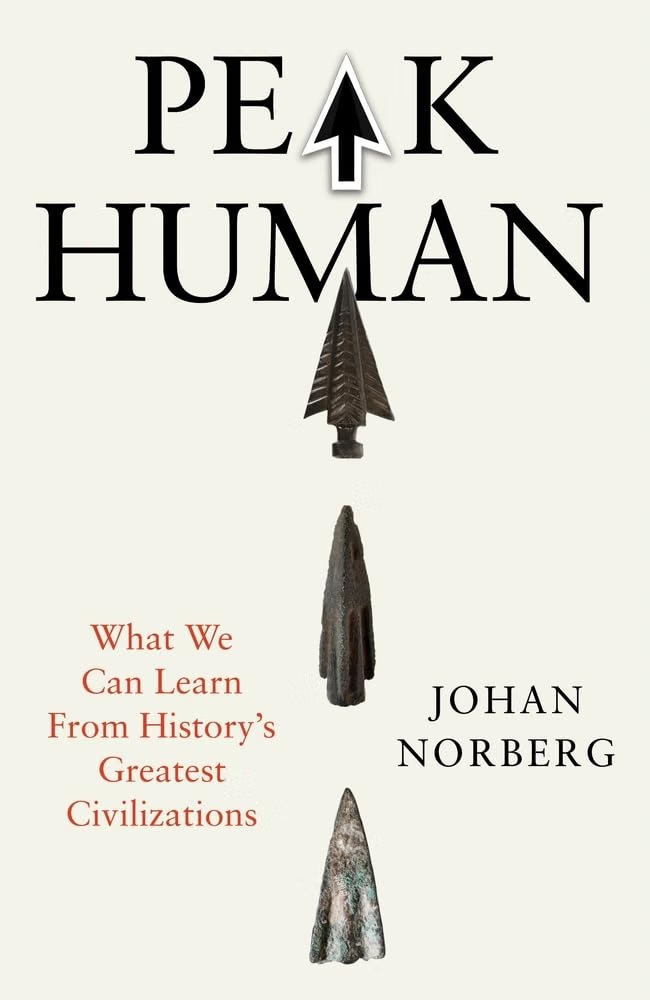
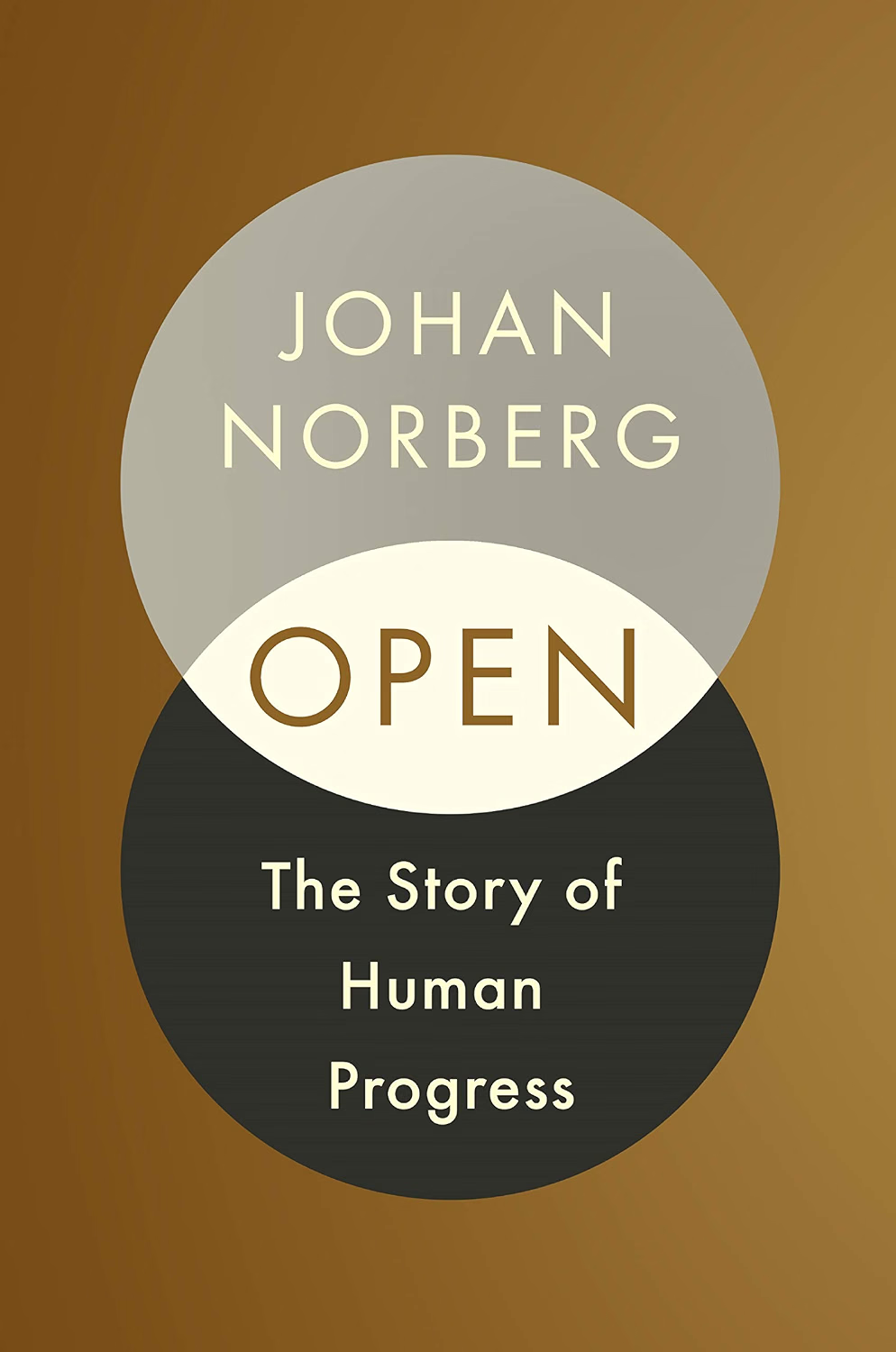
Johan Norberg is a senior fellow at the Cato Institute and a prolific author of several books. His latest titles are Peak Human: What We Can Learn From History’s Greatest Civilizations and Open: The Story of Human Progress.
Greg and Johan discuss the overall reasons why civilizations rise and fall. Johan argues progress is not linear and depends on ideas and institutions that sustain openness to trade, migration, experimentation, and free expression. He explains how decline follows insularity, tribalism, and veto coalitions of incumbents protecting their positions (Cardwell’s law).
They also discuss reasons why modern publics are pessimistic including recent shocks (financial crisis, terrorism, pandemic, war), loss of Western centrality, and a 24-hour news/social media threat bias, and how zero-sum intuitions and status concerns fuel populism and backlash against immigration. Johan emphasizes smoother transitions via work access, retraining, and integration, notes Rome’s longevity owed to strategic tolerance and absorption of talent, and contends populism often fails but can still greatly damage institutions before being rejected.
unSILOed Podcast is produced by University FM.
Episode Guide:
00:00 Welcome and Books
01:03 Progress Versus Decline
04:47 Why We Feel Pessimistic
08:43 Tribalism and Human Nature
11:08 How Golden Ages Begin
14:40 Elites Populism and Openness
17:21 Zero Sum Thinking
21:10 Compensating Losers Status
26:54 Why Study History Now
28:26 Rome Immigration Myth
32:15 Founding Myths and Identity
34:39 Nationalism and Integration
38:36 Populism Outlook and Hope
40:38 China Cycles of Openness
42:48 Why Openness Clusters
45:14 Closing Thanks
Episode Quotes:
Populism and its consequences
38:51: The best and the worst thing about populism is that it doesn't work. It's so easy to promise everything, "And I'll fix all your problems instantly. It's only these corrupt elites who failed you." Well, the proof of the pudding is in the eating. And once you reach positions of power, it's much more difficult to actually accomplish great things. We've seen studies done over a 100-year period that, countries run by populists who've promised them to give them everything, their economies declined after a decade or so by some 15% compared to other similar economies. And that tells you that eventually people are bound to see through these populists and say that, "Look, he wasn't all that he claimed to be." But on the other hand, they might have created some serious problems until then. And in certain countries, they've dismantled democratic institutions and checks and balances to stay in power once people begin to see the damage that they've done.
The trader vs. the tribalist
10:46: I think that world history can sometimes be read as: Do we channel the trader within who opens up new avenues for collaboration and exchange and opportunity and innovation? Or do we suddenly become worried about the world so that we shut those doors and we begin to hunt for scapegoats and enemy threats?
Why does a successful society resist change?
When you succeed, someone wants to protect their own success. So if you're an intellectual, the intellectual elite, the priests or economic incumbents, monopolies, guilds, trade unions, or political elites, they built their success on a certain way of building, producing, and understanding the world, so they don't want more change. So you kind of accumulate these veto coalitions, pressure groups, special interests who dislike further change. And it's not necessarily ideas. It's more like they're just protecting their position.