
November 4th, 2026
Listen to Episode on:


Watch the Unabridged Interview:
Order Books
Rhymes in Nature: A Dialogue on Aesthetics
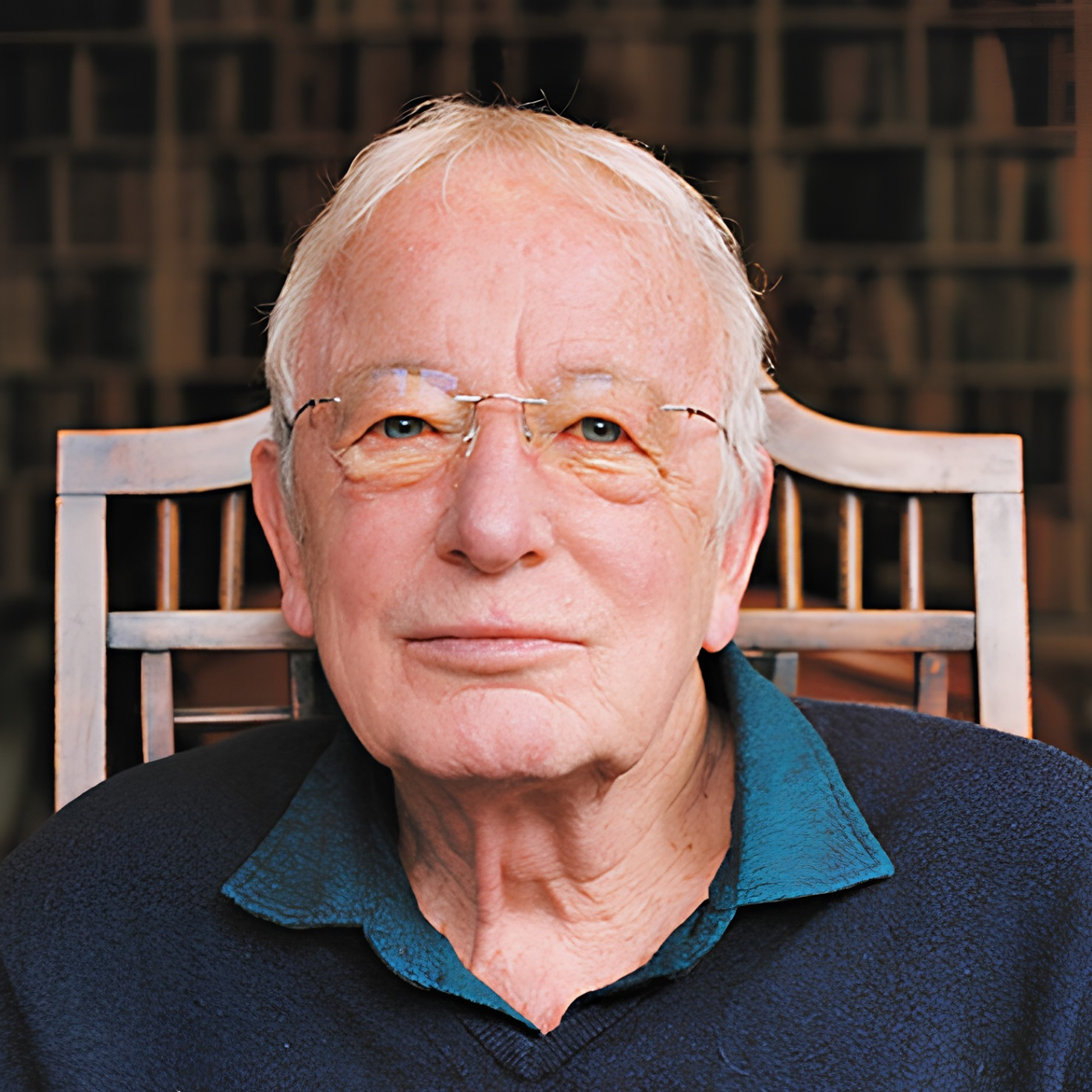
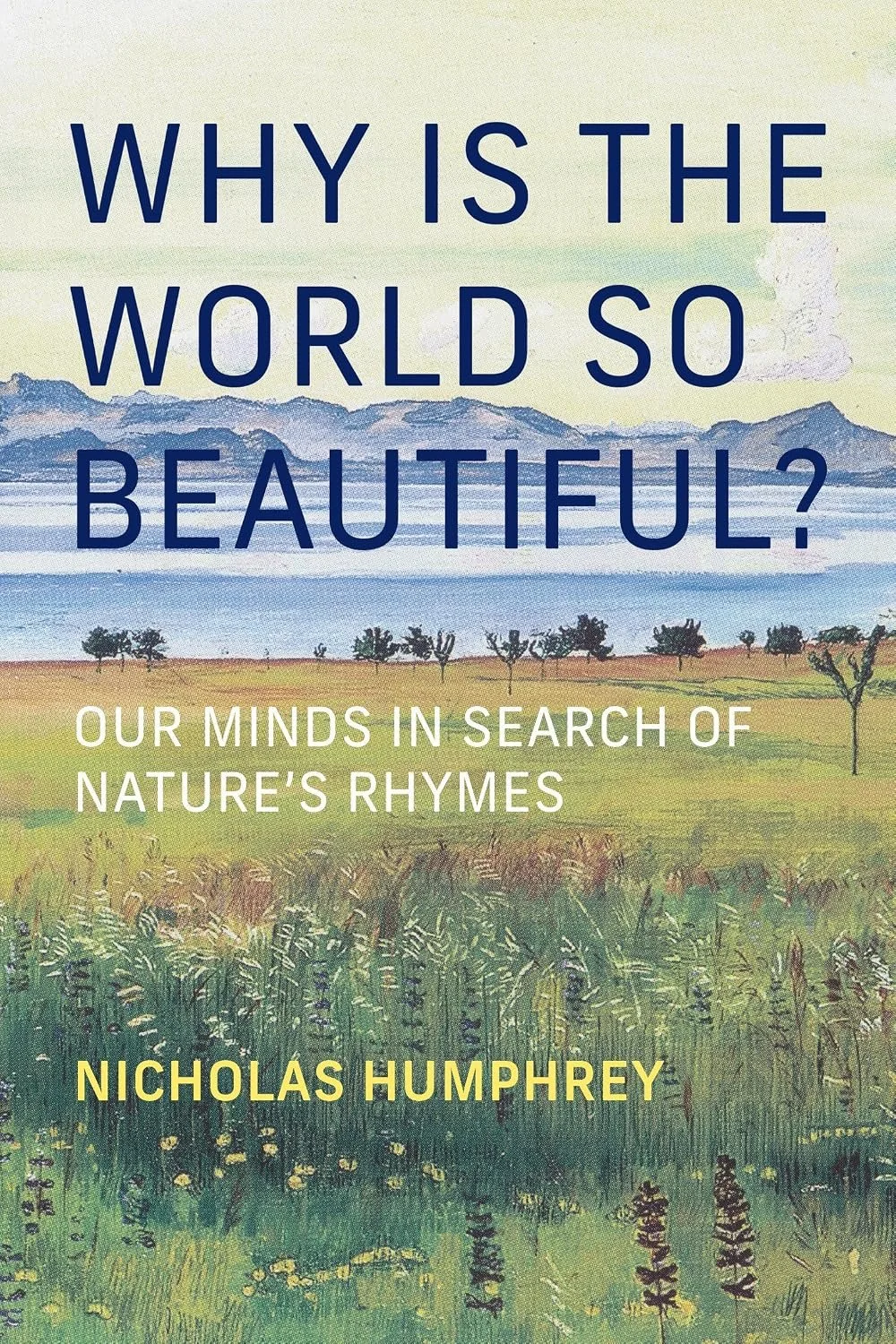
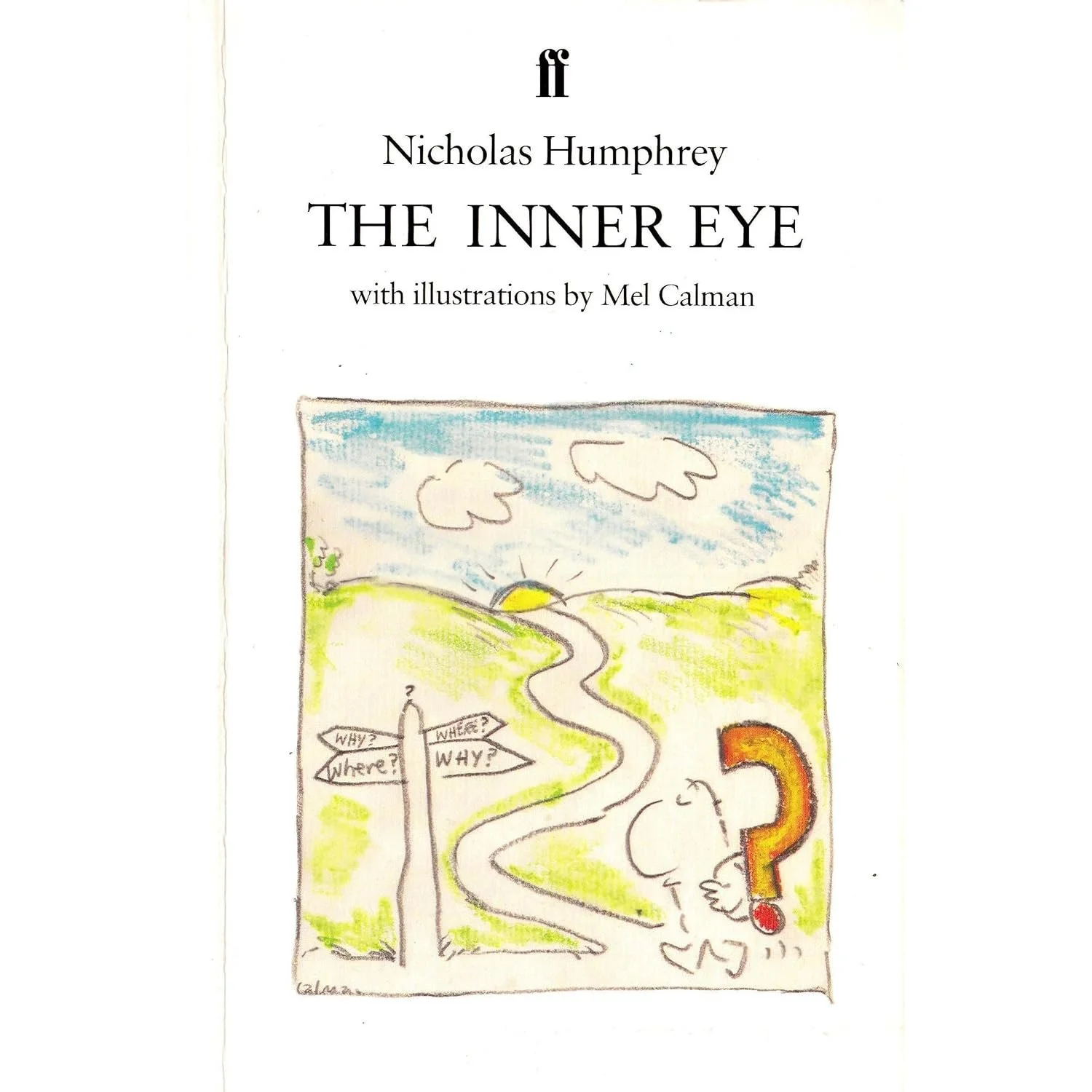
Nicholas Humphrey is a fellow at Darwin College at Cambridge University, and the author of many books. His latest works are titled, Why Is the World So Beautiful?: Our Minds in Search of Nature's Rhymes and The Mind Made Flesh: Frontiers of Psychology and Evolution.
Greg and Nicholas discuss why humans uniquely among all creatures seek and feel aesthetic emotion, especially toward “pointless” natural beauty like sunsets and rainbows, which seems puzzling for Darwinian adaptation. Nicholas gives evolutionary explanations for beauty in bodies, landscapes, and also design, and then unifies them through Gerard Manley Hopkins’s idea that beauty is “rhyme,” defined as likeness tempered with difference across sensory and abstract domains.
Nicholas argues the world is full of “rhyming” categories because enduring kinds of things persist, and humans use rhyme to build world models from infancy, with culture shaping which rhymes we notice. Their discussion covers ugliness as category confusion, connoisseurship and collecting, superstimuli, beauty’s growth through expanded understanding, and the Earth’s unique richness of life.
unSILOed Podcast is produced by University FM.
Episode Guide:
00:00 Meet Nick Humphrey
01:17 Why Beauty Exists
03:19 Humans and Aesthetic Emotion
04:26 Darwinian Puzzle of Beauty
05:39 Evolutionary Explanations
06:45 Rhyme as Beauty Key
08:40 Rhyme Built Into Reality
09:56 Training Minds With Rhymes
11:58 Hopkins Chestnut Example
13:39 Culture Shapes What Rhymes
15:54 Learning Deepens Appreciation
18:02 When Rhyme Turns Obsessive
21:20 Ugliness and Category Threats
23:23 Adapting to Anomalies
25:21 Splitters and Joiners
26:58 Earth as Rhyme Hotspot
27:17 Life Makes Rhymes
27:36 Why Mars Disappoints
28:32 Beauty as Social Emotion
32:30 Scientists Chase Beauty
35:30 Is Beauty Increasing
39:50 Training Taste Transfers
43:05 Inequality of Beauty
45:47 Truth Beauty Rhyme
47:49 Pregnant Uncertainty
49:20 Blindsight for Beauty
51:33 Closing Thoughts
Episode Quotes:
How we learn to recognize beauty
15:17: You don't find rhyme mentioned in textbooks of developmental psychology, and yet all mothers know that the kids love rhyme, whether it's in nursery rhymes or songs or picture books or whatever it maybe. So we all know how to take advantage of it. And then, as we say, it branches out. As we grow up, we become interested, become connoisseurs of different parts of the world, and we say we look for different levels of rhyme. And I think that's one of the great things that makes me so optimistic in a way about the possibilities for the world we live in and finding new kinds of beauty is that we can always look deeper.
What makes things beautiful
06:28: We notice that the very same principle applies to what we like about human bodies as what we like about buildings and what we like about the flower meadows and so on. We like rhyme. We like this relationship where things belong together in particular categories and contrast with other categories.
And I picked that out as the central theme of the human response to beauty.
Why life makes Earth special
26:56: I'm not shy of saying that the Earth is a very unique and probably an isolated example of how things could develop. There's more rhyme here because, really because of the evolution of life. Life gave rise to new kinds of rhymes, which gave rise to animals such as ourselves who could make things which rhymed to people like us. So we'd use language to find new kinds of rhymes and so on, and we go on doing it. Now, if and when some of our human explorers go to visit other planets in the universe, the one thing they shouldn't hope for is to find a place as beautiful as the Earth.
Show Links:
Recommended Resources:
Guest Profile:
Guest Work:
Why Is the World So Beautiful?: Our Minds in Search of Nature's Rhymes
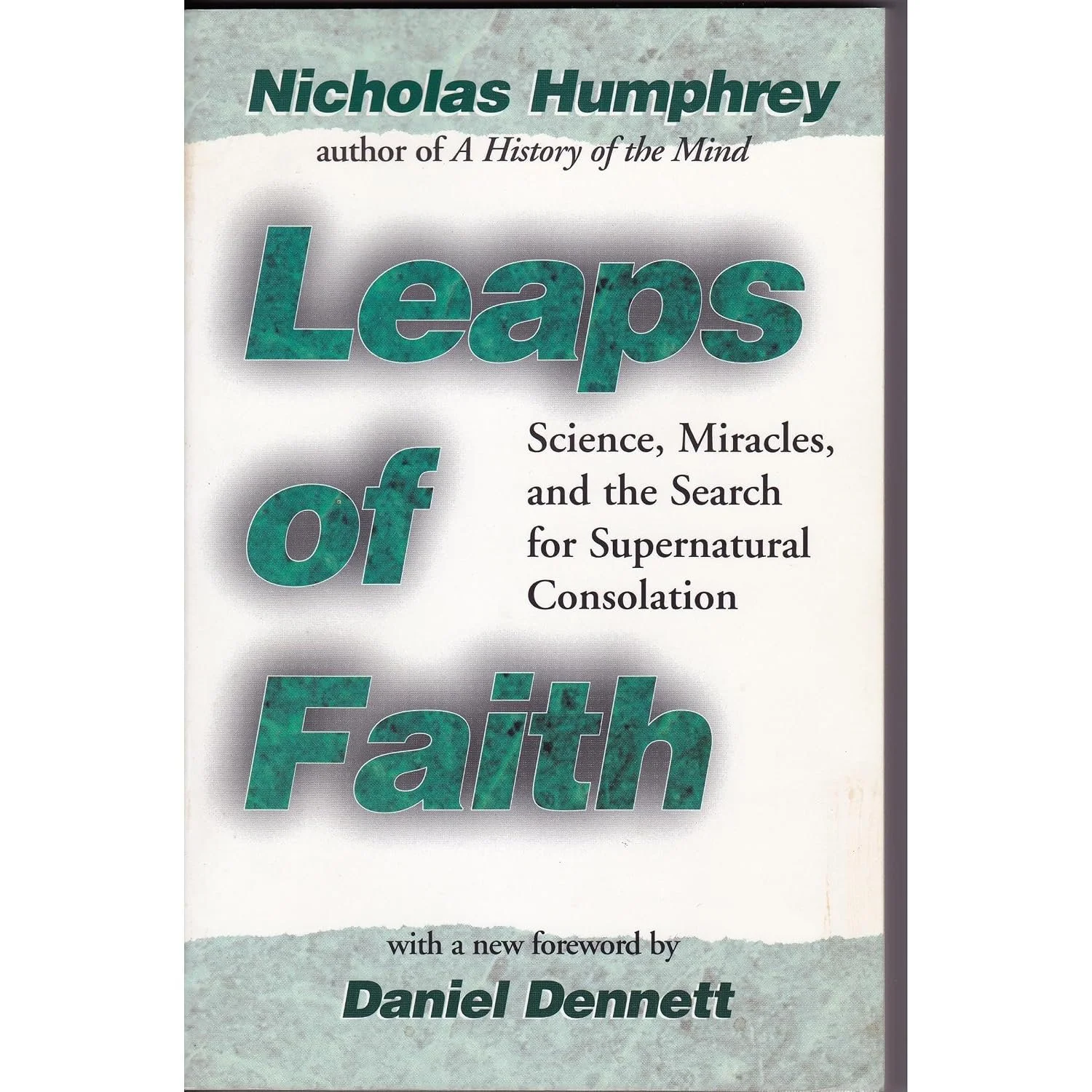
Leaps of Faith:Science, Miracles, and the Search for Supernatural Consolation
A History of the Mind: Evolution and the Birth of Consciousness