
Episode 659: Matt Kaplan
June 11th, 2026
Listen to Episode on:


Watch the Unabridged Interview:
Order Books
Science Journalism, Academic Silos, and the Cost of Being Right
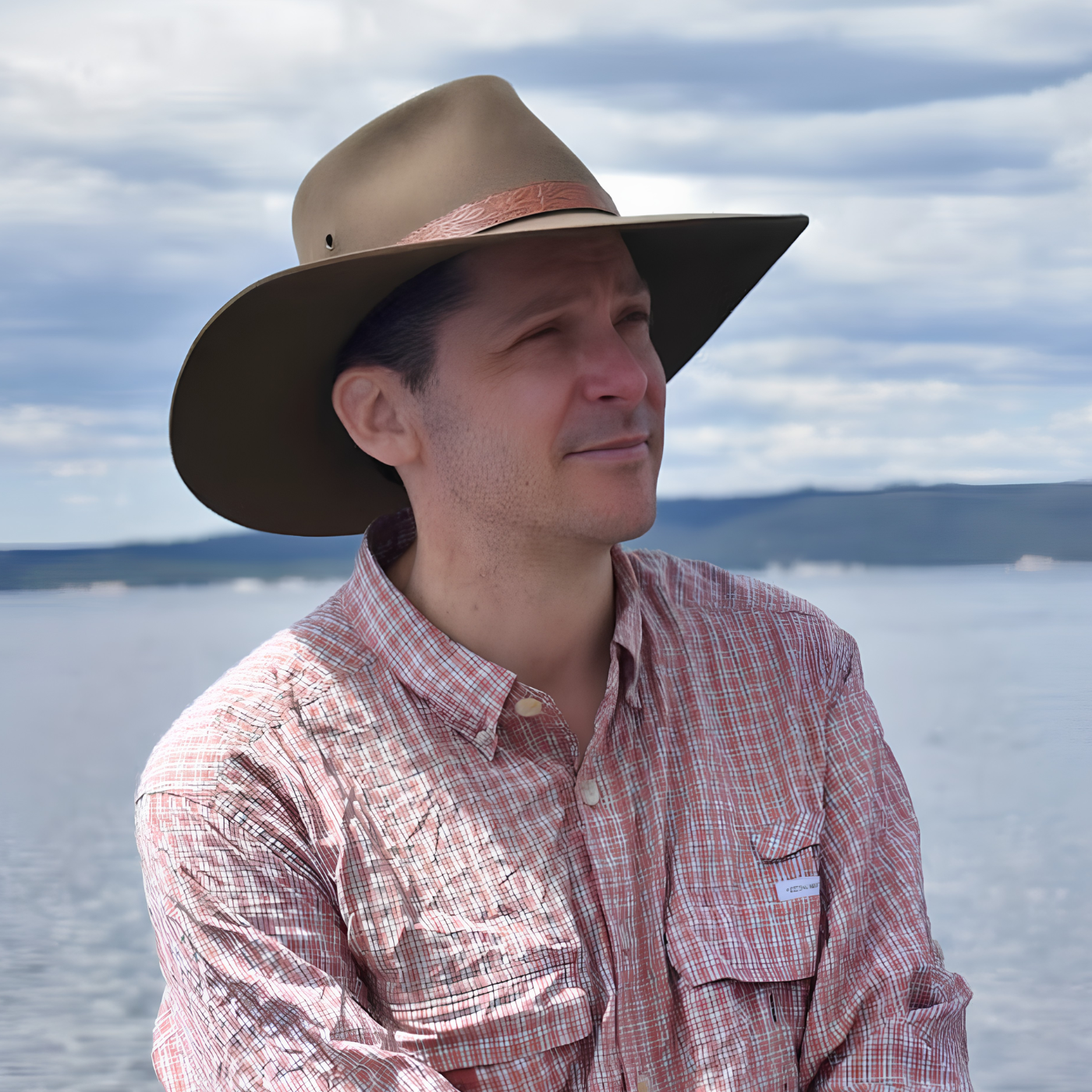
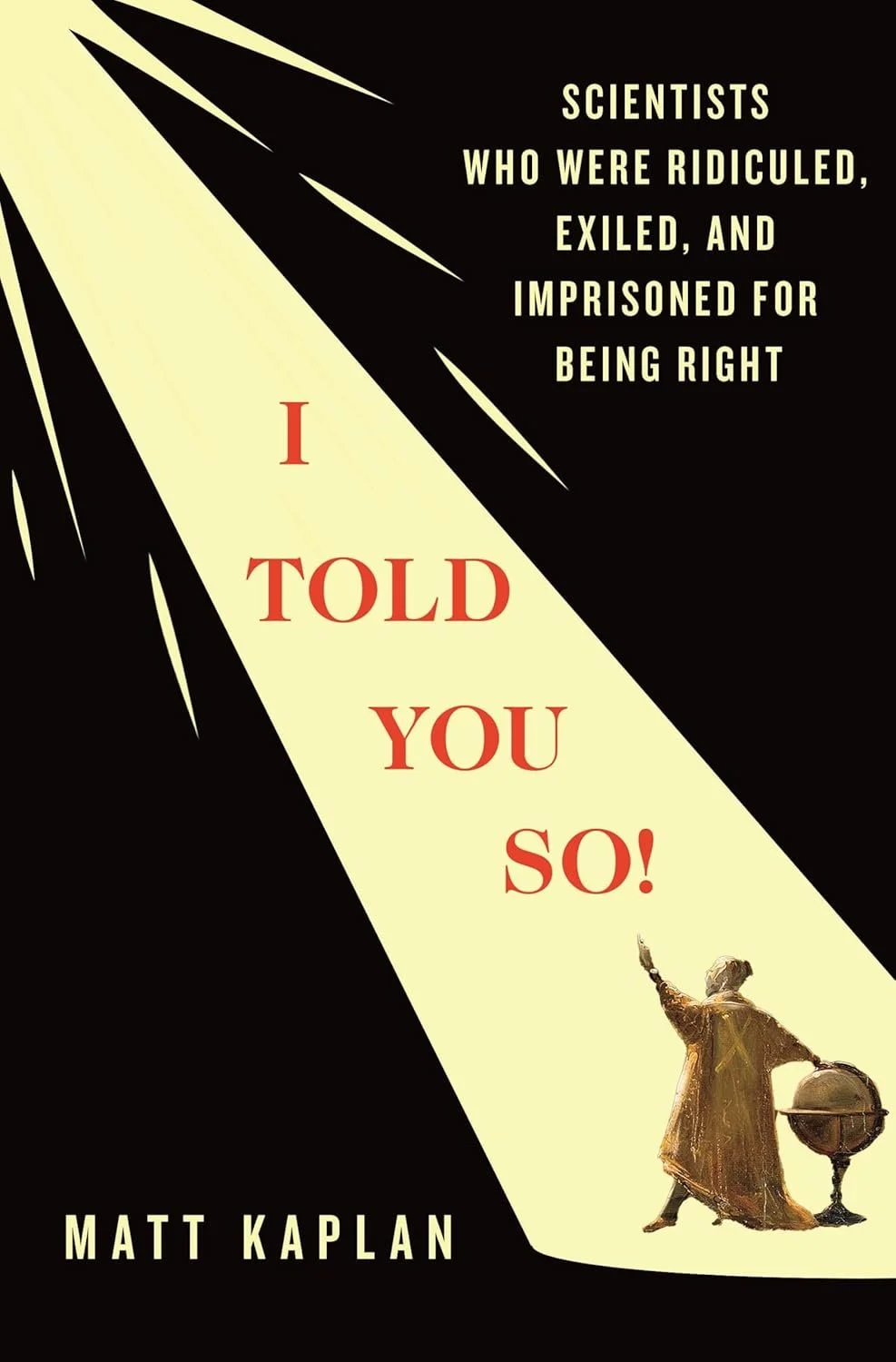
Matt Kaplan is the science correspondent at The Economist and also the author of a number of books. His latest work is I Told You So!: Scientists Who Were Ridiculed, Exiled, and Imprisoned for Being Right.
Greg and Matt discuss how Matt chose science journalism over academia, the value of being a generalist, and how journalists can cross-pollinate ideas from others. They also discuss academic silos, pecking orders, and how fear, funding pressures, and ego create sticky consensuses that punish deviants, and linking historic cases to modern parallels.
Matt argues that incremental NIH/NSF funding discourages bold leaps compared with HHMI-style risk-taking, calls for better incentives for peer review and career transitions for senior scientists, and recounts a case in which a dissenting scientist was attacked to the point that they left the field.
*unSILOed Podcast is produced by University FM.*
Episode Quotes:
When scientific silos break, innovation happens
09:31: There was a medical conference at the same hotel where this marine biologist was presenting, and one of the surgeons at the medical conference walked by and listened and talked to the marine biologist afterwards and said, “Hey, are you telling me that that spit will hold together stuff in a salty environment?” And the biologist said, “Well, yeah, it's in the ocean.” And the surgeon went, “‘Cause we have really serious problems getting glue that works in the saline environment of a bloody surgery table because your blood is salty, and glues don't work, and we can't put bones together with bolts when the bones are fragments.” So together, they ultimately collaborated and created a glue from the sandcastle worm that's now used in surgery tables around the world. And it was just my favorite word in the world: serendipity. Total serendipity.
Why institutions resist new ideas
14:18: I think uncertainty and fear make us cling to the things that we know. And the more uncomfortable we are with change, the more we cling like a security blanket to the consensus.
Big problems require bigger risks
31:13: I don't think we do enough of the Howard Hughes-type stuff because we got some pretty big problems. I mean, feeding eight billion people, dealing with climate change, generating enough power to have all of the nations of the world have electricity and refrigeration. We can all come together and say refrigeration is probably pretty important. Defeating pandemics. We really have a lot of stuff that needs to be done, and that's not going to get done if we keep taking baby steps. We've got really big problems, and to do that, we need to get comfortable with failure real fast, and we currently are just not accepting it.
Show Links:
Recommended Resources:
Guest Profile:
Guest Work:
I Told You So!: Scientists Who Were Ridiculed, Exiled, and Imprisoned for Being Right
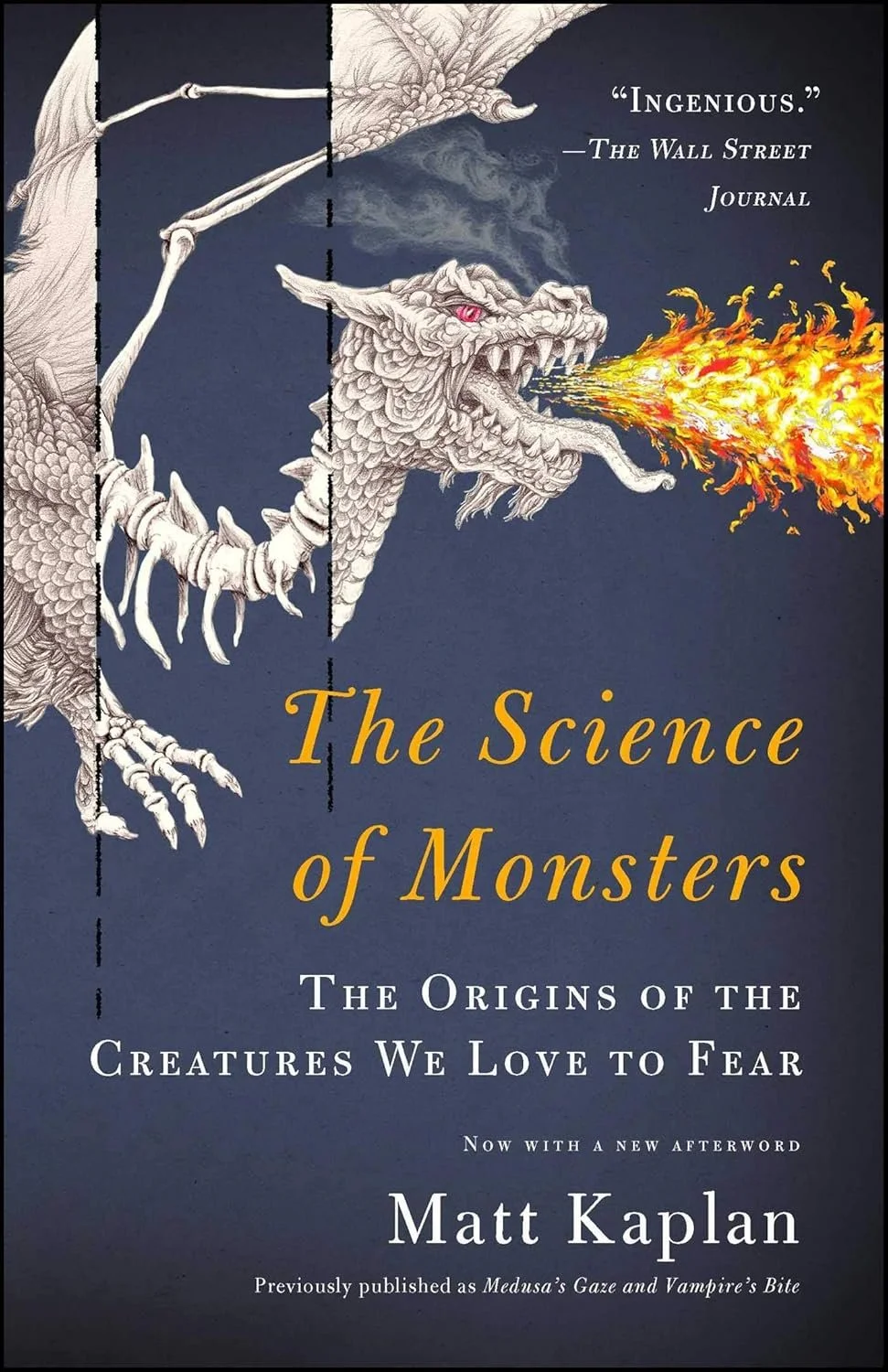
The Science of Monsters: The Origins of the Creatures We Love to Fear
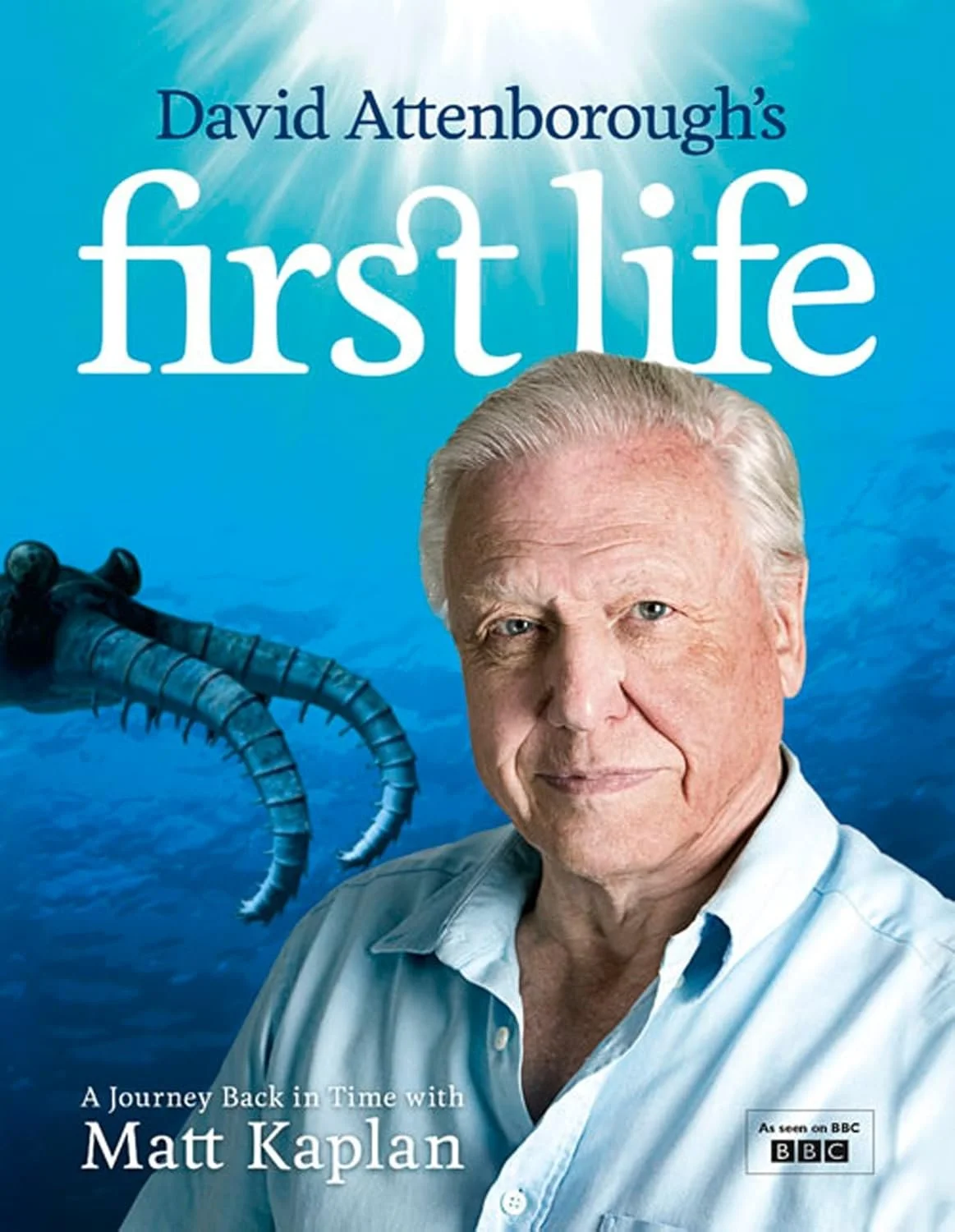
David Attenborough’s First Life: A Journey Back in Time with Matt Kaplan
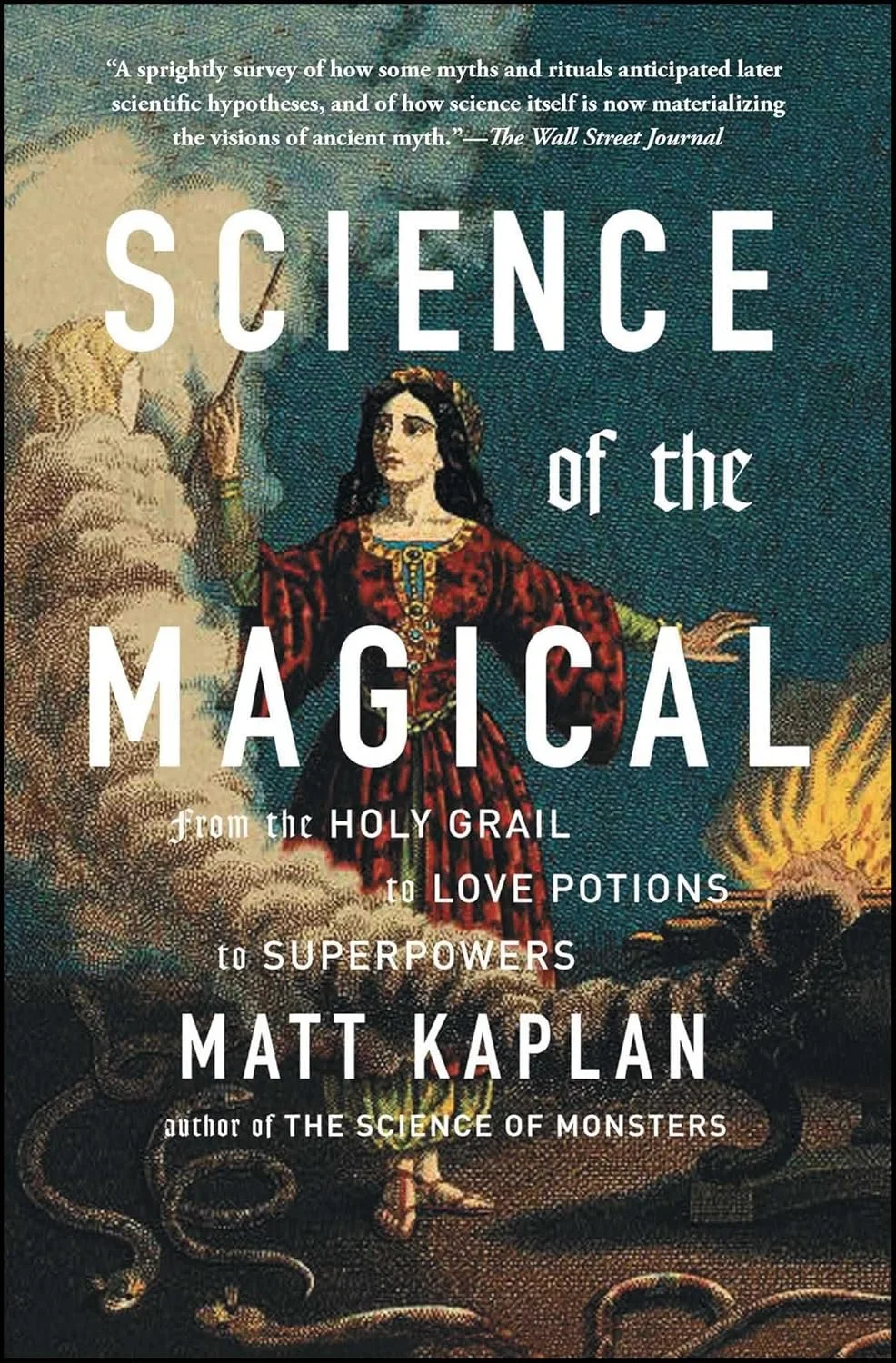
Science of the Magical: From the Holy Grail to Love Potions to Superpowers