
Episode 658: Dr. Dale Bredesen
June 8th, 2026
Listen to Episode on:


Watch the Unabridged Interview:
Order Books
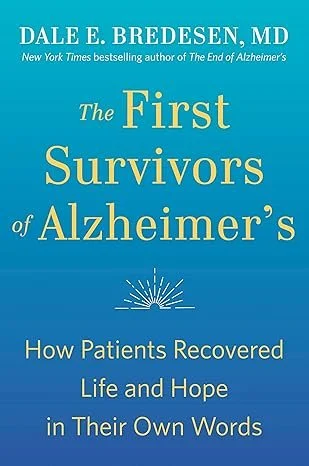
Preventing Alzheimer's: Bridging Research and Practice
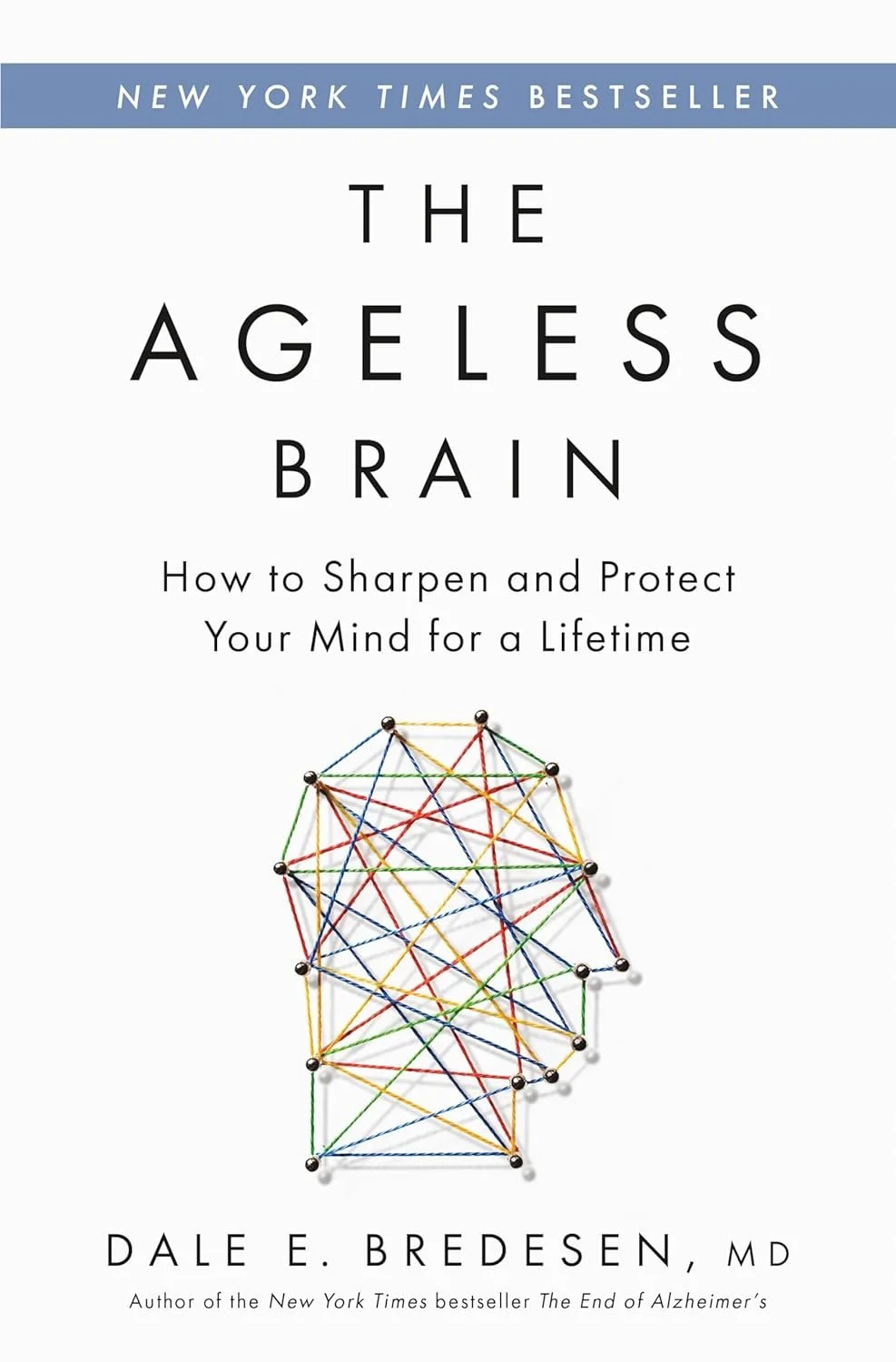
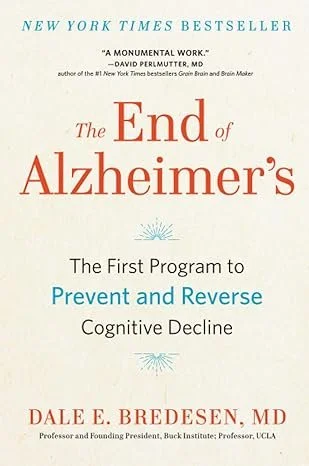
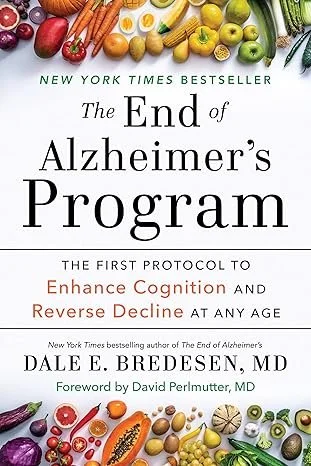
Dale Bredesen is the senior director of the Precision Brain Health Program at Pacific Neuroscience Institute and also the founding CEO of the Buck Institute. He also has authored a number of books, including, most recently, The Ageless Brain: How to Sharpen and Protect Your Mind for a Lifetime and
The End of Alzheimer's: The First Program to Prevent and Reverse Cognitive Decline.
Greg and Dale discuss Dale’s “network insufficiency” view of Alzheimer’s that shifts focus from plaques alone to a balance of synaptic “supply and demand.” He argues the brain switches from connection to protection under chronic insults, which are microbes, inflammation, toxins, metabolic syndrome, sleep apnea, and poor energetics. Dale highlights tau phosphorylation as part of an antimicrobial response and APOE4 as a pro-inflammatory risk gene with evolutionary benefits.
They also discuss diet, insulin resistance, exercise, sleep metrics, stress, and the case for prevention and combined approaches.
*unSILOed Podcast is produced by University FM.*
Episode Quotes:
The brain’s shift from connection to protection
07:33: We see it at every level in the brain. We see it at the molecular level, that you have a connections program and a protection program. We see it at the cellular level, we see it at the tissue level, and even at the organismal level. You can see when people—and you can actually measure this now with blood tests—is someone on the connection side or on the protection side? So therefore, when you have insults, and over our lives it's typically various microbes, it's leaky gut, it's sleep apnea, it's various toxins we're exposed to, air pollution, mercury, microplastics, unfortunately, anesthetic agents, horrible food, all these things that are demanding you be in that protection mode, then ultimately you cannot support five hundred trillion synapses.
The supply-and-demand theory of cognitive decline
30:08: Anything that lowers your supply or increases your demand is going to increase your risk for cognitive decline. On the other hand, anything that lowers the demand and increases the supply is going to be a risk reducer, whether it's Omega-3s, whether it's resolvins, whether it's exercise, whether it's better sleep, more deep sleep, less sleep apnea. There are dozens and dozens and dozens of things. So, for the first time, our armamentarium to reduce risk and reverse decline is huge. Now we can look at these different pieces and manipulate them so that we get better and better outcomes.
Are doctors the antithesis to Silicon Valley?
49:23: Well, here's the thing. Doctors are the antithesis to Silicon Valley. Silicon Valley is always looking for what's disruptive, what's next, how can we go further, do more. And to be fair, it's because typically those things are not going to kill you. Whether you, like, get your package from Amazon a little faster, it's not going to kill you. Whereas the doctors are told, “Listen,” just like being in the army, “If you do not do what we tell you, someone's going to die.” And that's fair, okay. But they're very poor, therefore, at innovation. If you go back to history, it’s scary, scurvy—it was understood what to do about scurvy in the sixteen hundreds. It wasn't generally accepted until the nineteen hundreds. So thousands and thousands and thousands of people died needlessly because doctors said, “No, we do not believe this.” And the same thing, frankly, is happening now with Alzheimer's disease.