
Episode 688: Michael Gurven

September 29th, 2026
Listen to Episode on:


Watch the Unabridged Interview:
Order Books
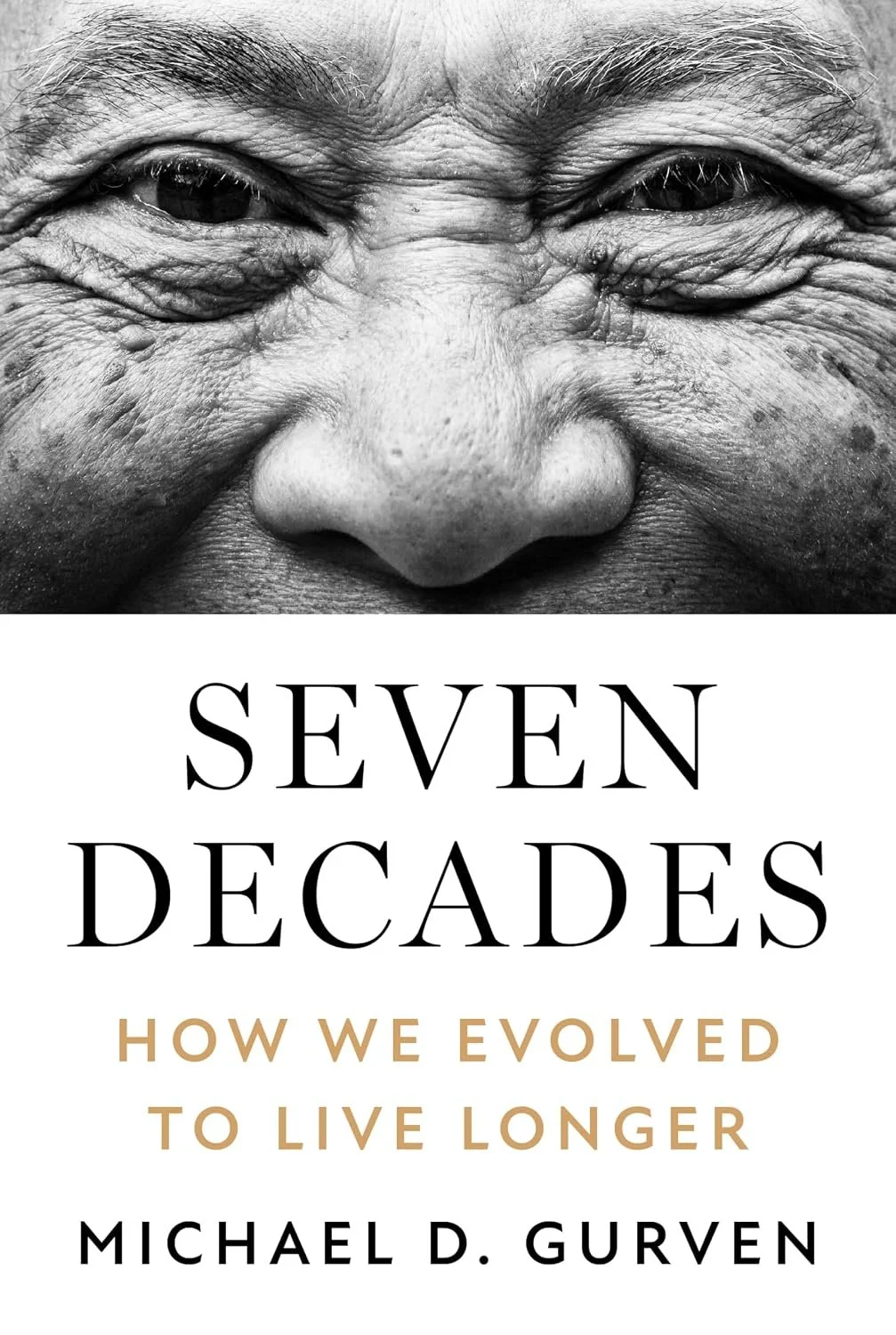
The Evolutionary Reason Behind Why We Age
Even without the contributions of modern medicine and technology, humans have been evolving to live longer lives for centuries. So what led to this evolution and why is aging important?
Michael Gurven is a professor of anthropology at the University of California Santa Barbara. He’s also the author of, Seven Decades: How We Evolved to Live Longer, a book that examines the evolutionary causes behind life expectancy.
Michael and Greg discuss the key reasons behind why we age, how Michael’s field work with the Tsimané people in Bolivia informed his conclusions about life expectancies, and whether or not we should take any lessons on aging from our hunter-gatherer ancestors.
unSILOed Podcast is produced by University FM.
Episode Quotes:
Aging isn’t just about physical fitness
05:03: If we were completely, entirely dependent only on our physical fitness for extracting meaning and value and work out of our environment, then maybe we wouldn't age as much or maybe we wouldn't live as long. But because we inhabit a niche where our brains, our skills, our knowledge, the services we render play such an important role, you can still be positively impacting your biological fitness even if your VO2 max is not what it once was, your muscular strength is not what it once was. And so that's basically part of the argument of the book, that even though you're no longer reproducing once, you know, menopause hits, at age 50 or so, that the next couple decades after that can still be evolutionarily relevant, so much so that selection has worked to make sure that we live those extra couple decades.
Long life is a story of cooperation
20:36: There are obstacles that are more social and more almost moral that we had to overcome in order to achieve our long-lived existence as a species, which is somewhere in the book I say, the story of long life is really a story about cooperation, as much as anything else.
Longevity comes with trade-offs
10:55: This idea that we can just, like, flip one switch, and all of a sudden we're going to get extra lifespan, extra health span at zero cost, right? No cognitive deficits, no hit on our fertility or our fecundity. It's just really far-fetched. You know, evolution would've figured that out by now.
Usefulness matters more than age
45:14: As your physical body starts aging to the point where it starts compromising your, ability to be useful to others, that's where you start seeing it's not age so much that matters, but that functional utility, seems to matter more, and that shapes whether or not people feel depressed and whether people feel lonely.
Show Links:
Recommended Resources:
Guest Profile:
Faculty Profile at UC Santa Barbara
Professional Profile on LinkedIn