
Episode 646: Pablo A. Peña
April 29th, 2026
Listen to Episode on:


Watch the Unabridged Interview:
Order Books
The Economics of Life & Being Human
How can economic science help you decide which college to attend, or how many children to have, or even who to marry?
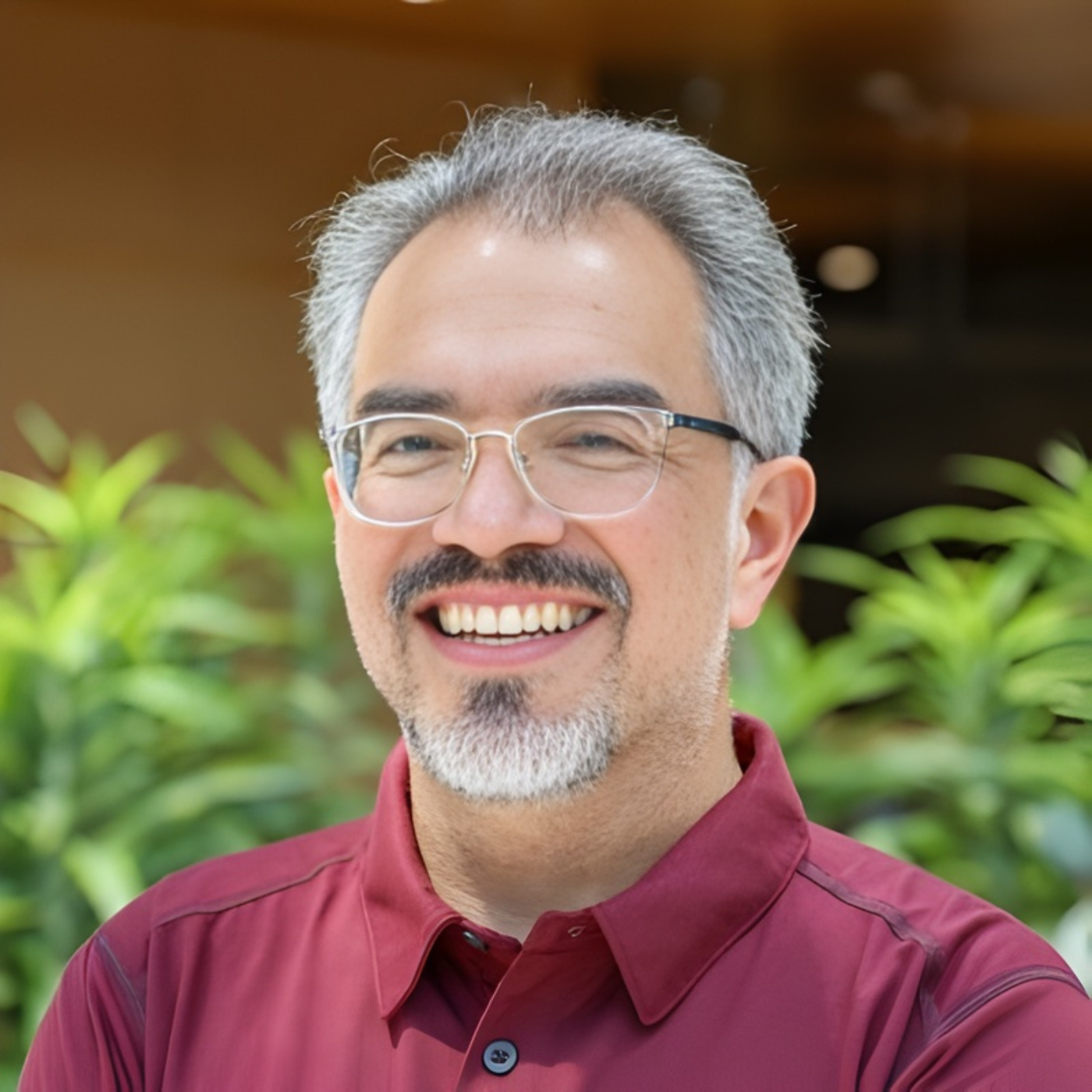
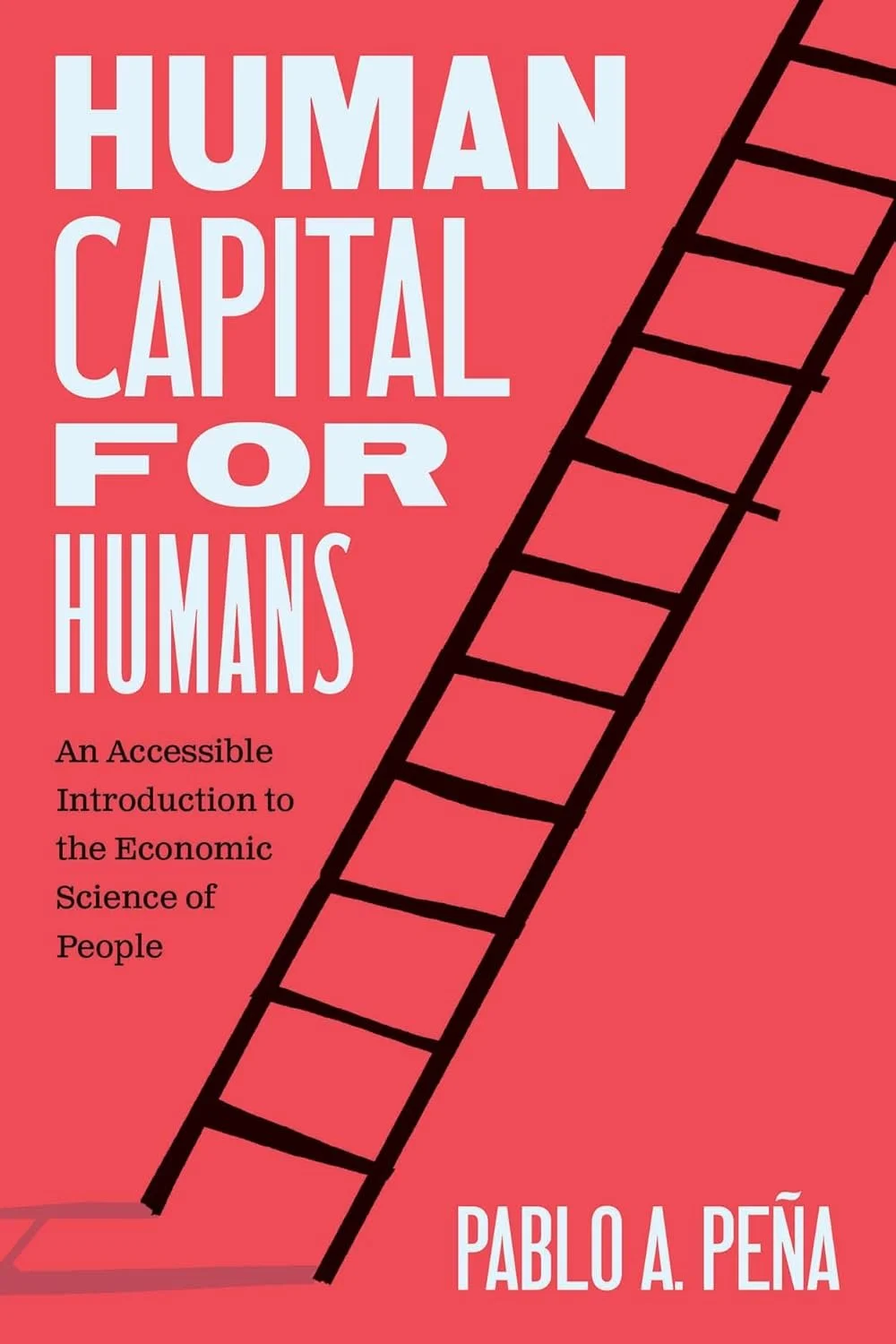
Pablo A. Peña is an associate instructional professor of economics at the University of Chicago and the author of Human Capital for Humans: An Accessible Introduction to the Economic Science of People. In the book, he applies economist Gary Becker’s human capital theory to everyday things like parenting, housework, marriage, and aging.
Pablo and Greg discuss why human capital has long been an overlooked field in economics, how it shows up in household production, parenting tradeoffs between time and money, fertility’s quantity vs. quality tradeoff, and how AI could be shifting valuable human capital skills toward critical thinking, creativity, and adaptability.
*unSILOed Podcast is produced by University FM.*
Episode Quotes:
Firms, households and human capital
25:43: Households are like little firms, but they don't produce stuff that they sell in the market. They produce experiences that they themselves consume. So if you think about it, it's very complicated to have all the members of a family sitting at the same time, right, to have a meal that must be nicely served at that specific point, maybe listening to nice music, maybe it's complicated. The efficient thing to do will be everybody fend for themselves in whatever you can, whenever you can. But no, we want that 'cause it's the experience that we produce. Now you need a CEO and a COO and whatever in a household because you want these things to happen. Somebody has to organize the production processes, production of experiences. Human capital helps in that process. So the more human capital a person or multiple people in a household have, the better that production process can occur, the more productive they can be.
Human capital vs. other forms of capital
10:08: Human capital can be developed, its formation responds to incentives, it appreciates, and so on. And because of its asymmetries with other forms of capital, we typically think there may be a problem of underinvestment. That is, for instance, a very consequential difference when we think human capital versus other forms of capital.
Why investing in yourself is fundamentally different
10:48: If I go to the bank and I say, "Hey, I want to get more skills. I want to learn how to do this or that, and I'm going to leave you my brain as collateral, or you can possess it." Obviously, that's not something that can happen. So that means there's an asymmetry, and you and I at this stage upon lives, and I assume we're not that different in terms of age, but when we are, say, late teens or maybe twenties, we may have had that idea if I only could get the money to invest itself.
Show Links:
Recommended Resources:
Guest Profile:
Faculty Profile at University of Chicago
Professional Website
Professional Profile on LinkedIn