
Episode 655: Sebastian Mallaby
May 28th, 2026
Listen to Episode on:


Watch the Unabridged Interview:
Order Books
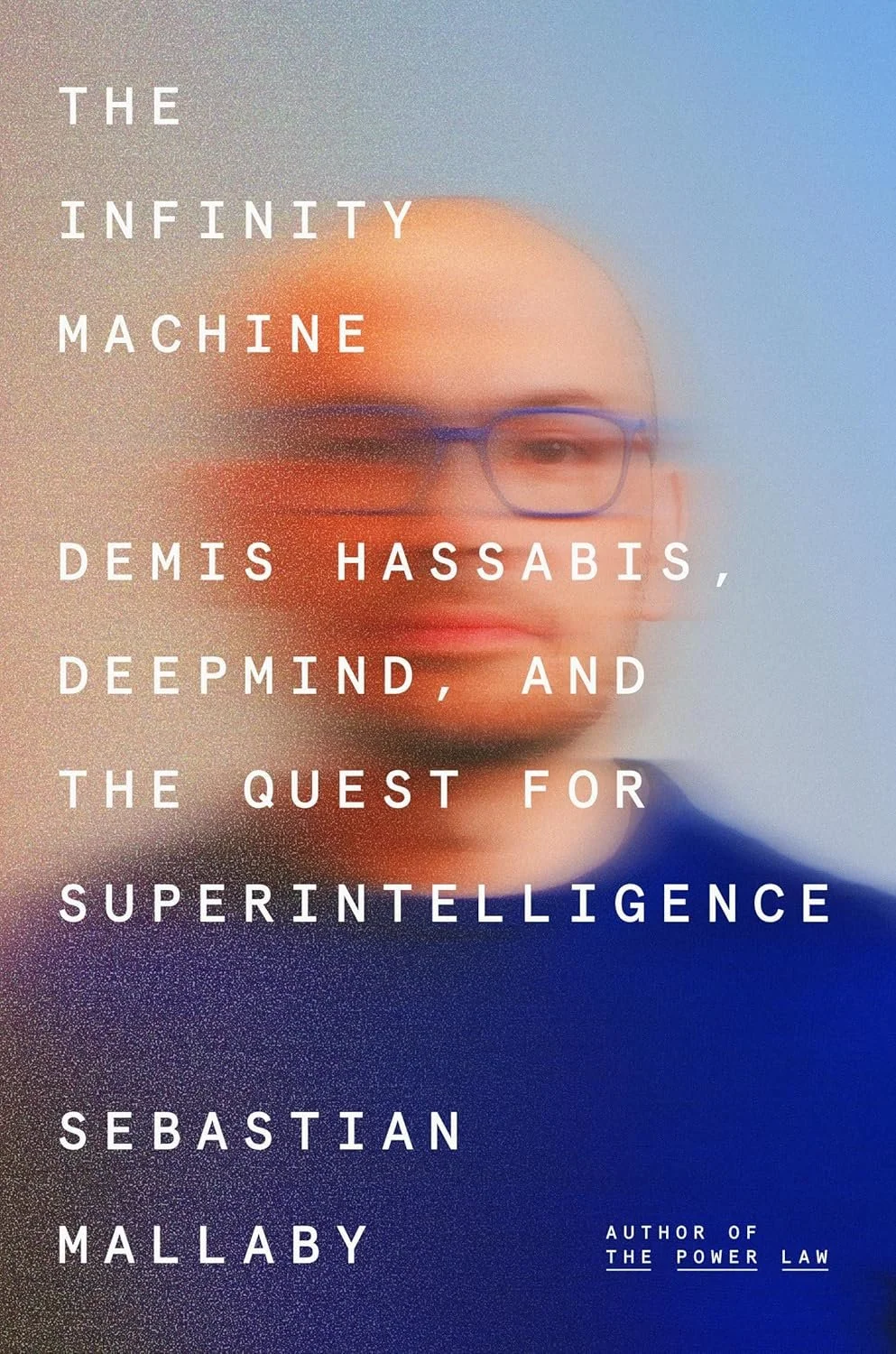

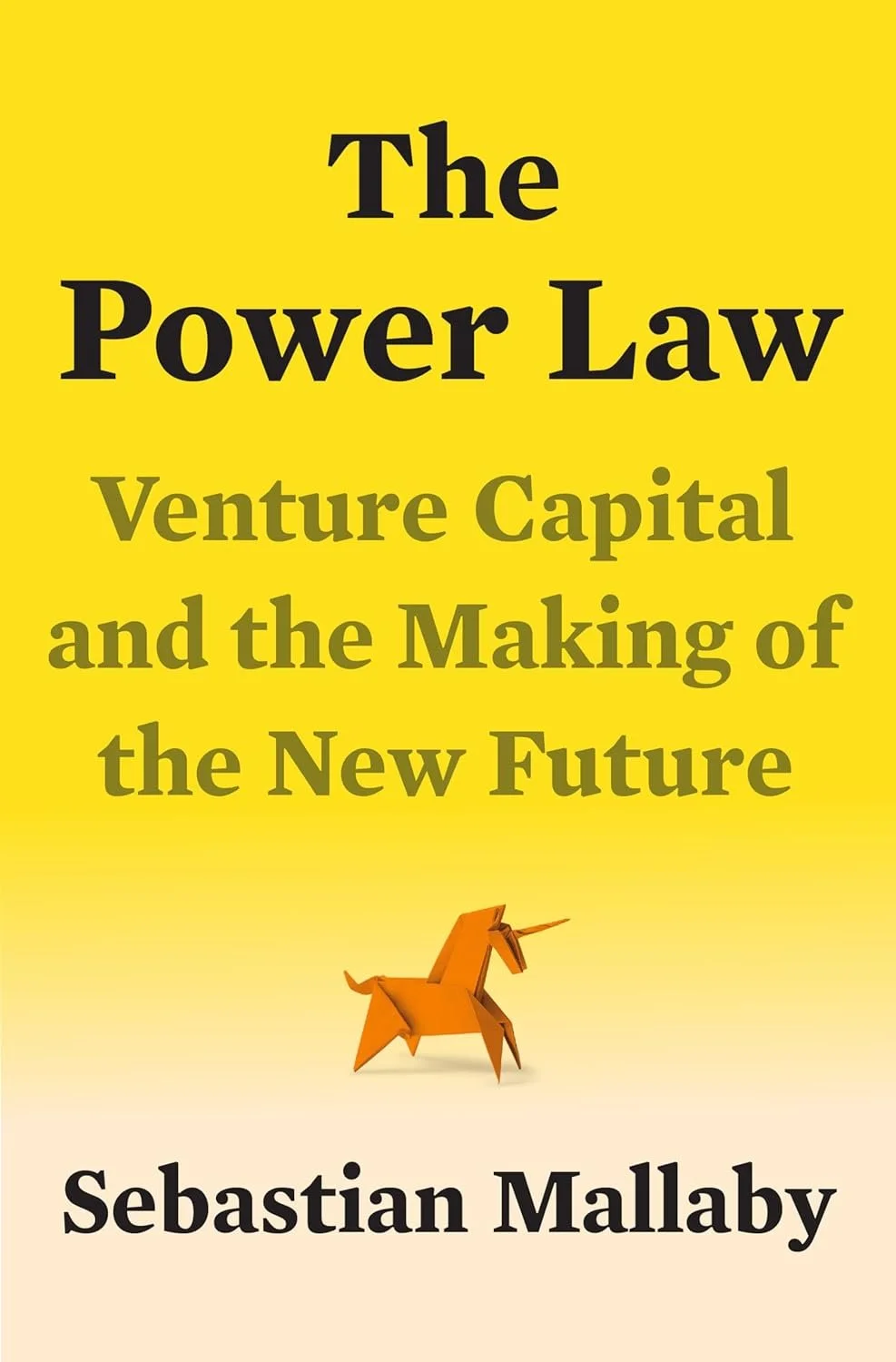
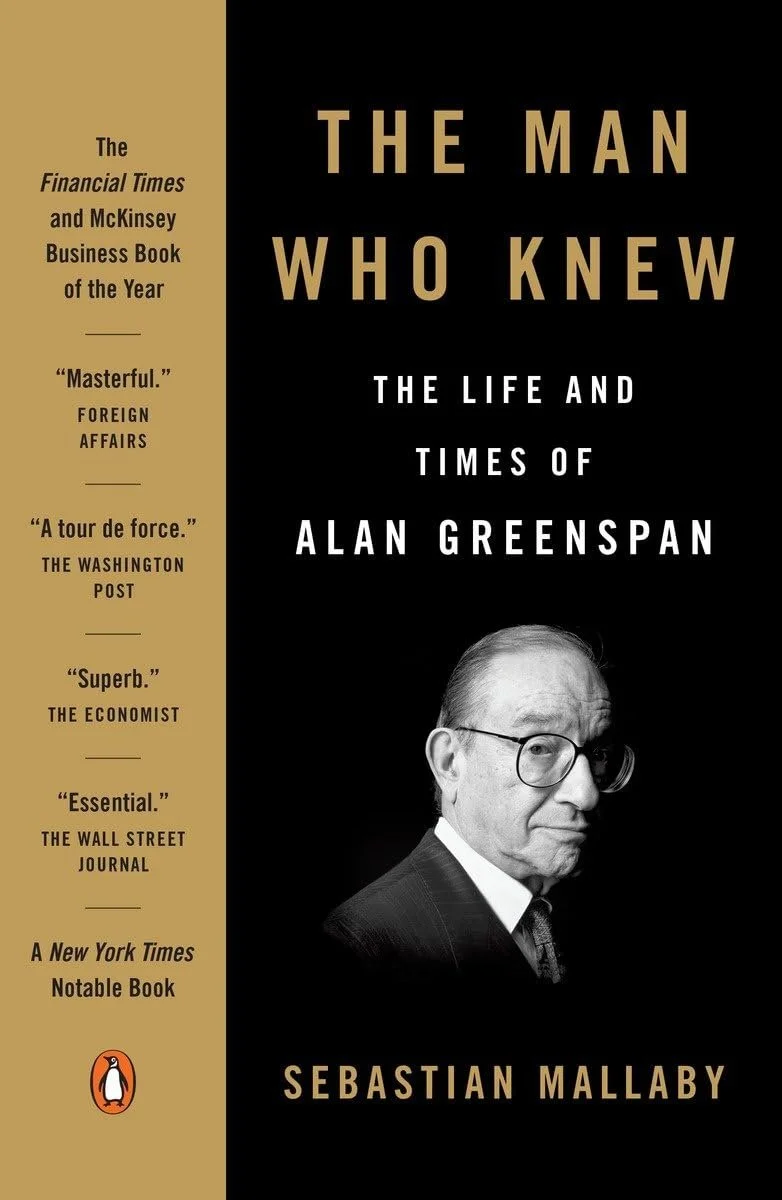
Inside The Mind of DeepMind’s Founder
How did a teenage video game designer from London become a Nobel Prize-winning scientist behind one of the most consequential technology efforts in history?
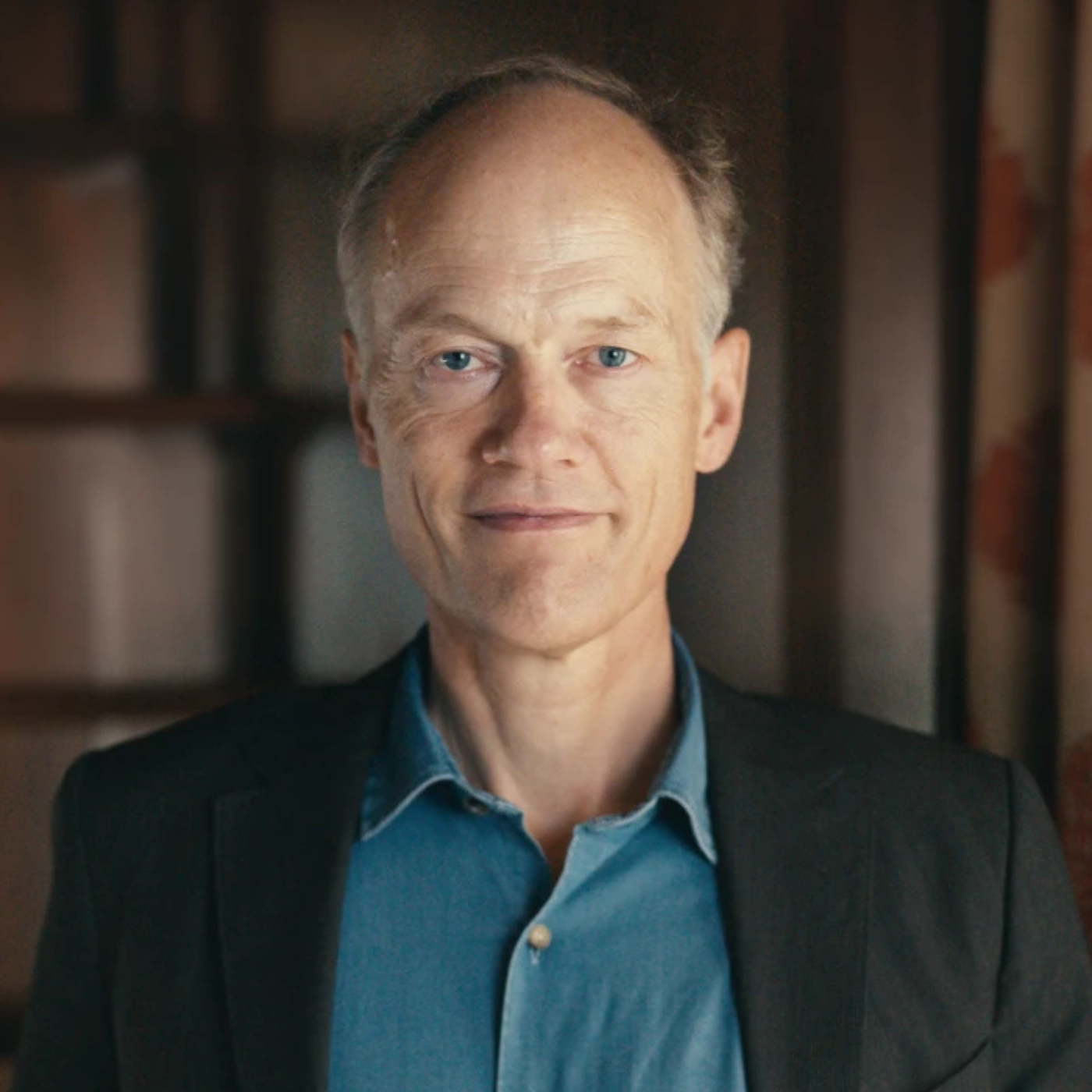
Sebastian Mallaby is a senior fellow at the Council on Foreign Relations and author of the new book, The Infinity Machine: Demis Hassabis, DeepMind, and the Quest for Superintelligence which provides an in-depth look into one of the greatest minds behind artificial general intelligence.
In this episode, Sebastian and Greg discuss how Hassabis's early immersion in game design and neuroscience shaped his unique approach to artificial intelligence, why groundbreaking science is increasingly happening outside academia, and the tension between scientific discovery and corporate strategy.
*unSILOed Podcast is produced by University FM.*
Episode Quotes:
Why AI is becoming an ‘infinity machine’
03:01: It struck me that two breakthroughs in AI pointed to more to come. And these were AlphaGo and then AlphaFold. And what these two things had in common was—you had a sort of massive combinatorial space in both cases. So with Go, because it's a nineteen-by-nineteen board, the very first move, there's three hundred and sixty-one choices, then there's three-sixty for the second one. If you multiply that out, you pretty soon get to a search space which is sort of, you know, approaching infinity in terms of the number of possible permutations in the game. And with proteins, the way they can fold is even bigger. And so in both of these challenges, effectively, you have a machine that can make sense of near infinity of data, so an infinity machine. And once you have that, I figured, well, it's niche for the moment, but it may not stay niche forever.
The “Third Way” that helped Google overcome the innovator’s dilemma
44:06: The third way is you have a skunkworks, like DeepMind in London, which is a separate entity, and you're letting them kind of be the new policy in waiting, like the fightback policy in waiting. And you don't activate it. But when the moment comes when your competitor embraces the new technology, and you're in danger of falling foul of the innovator's dilemma, then you've got the answer because you've been keeping it ready, and you bring it in, and then you fight back fast.
How DeepMind helped Google catch up in the AI race
42:54: How did they, in the space of two and a half years, go from the merger announcement to Gemini 3.0, which was better than the ChatGPT rivals? The key to it is that DeepMind had that top-down strike-team methodology, which came from the video game development world, and they imposed that on the Mountain View team, which was much more bottom-up and kind of inchoate in the research process. And that's what generated Gemini 3.0. That's how they got ahead.
Show Links:
Recommended Resources:
Guest Profile:
Senior Fellow Profile at Council on Foreign Relations
Professional Profile on LinkedIn