
Episode 686: Sherry Turkle

September 22nd, 2026
Listen to Episode on:


Watch the Unabridged Interview:
Order Books



The Risk of ‘Artificial Intimacy’
What do we lose when we swap our source for connection and intimacy from a human to an AI chatbot? Is there a significant psychological impact?
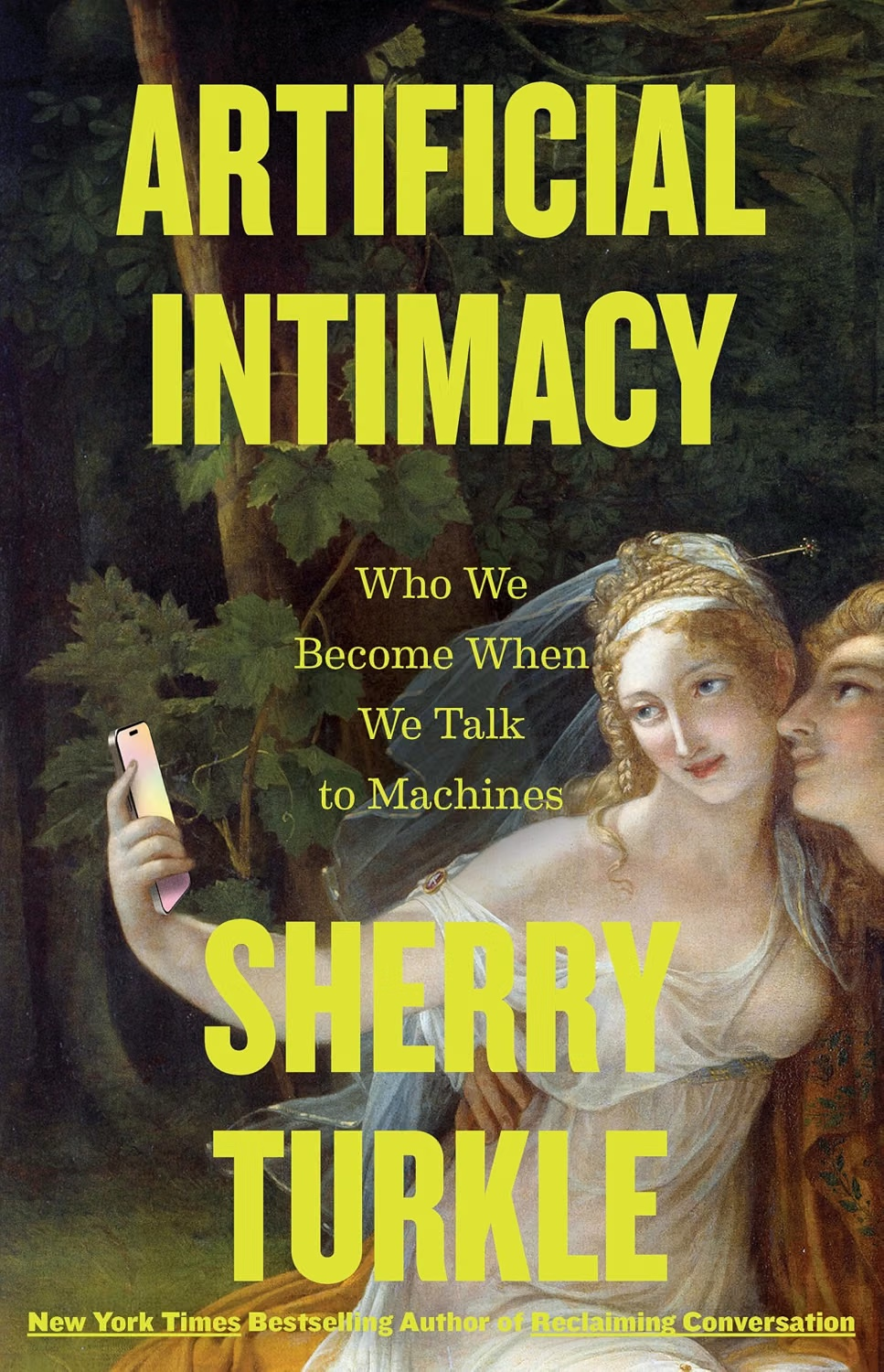
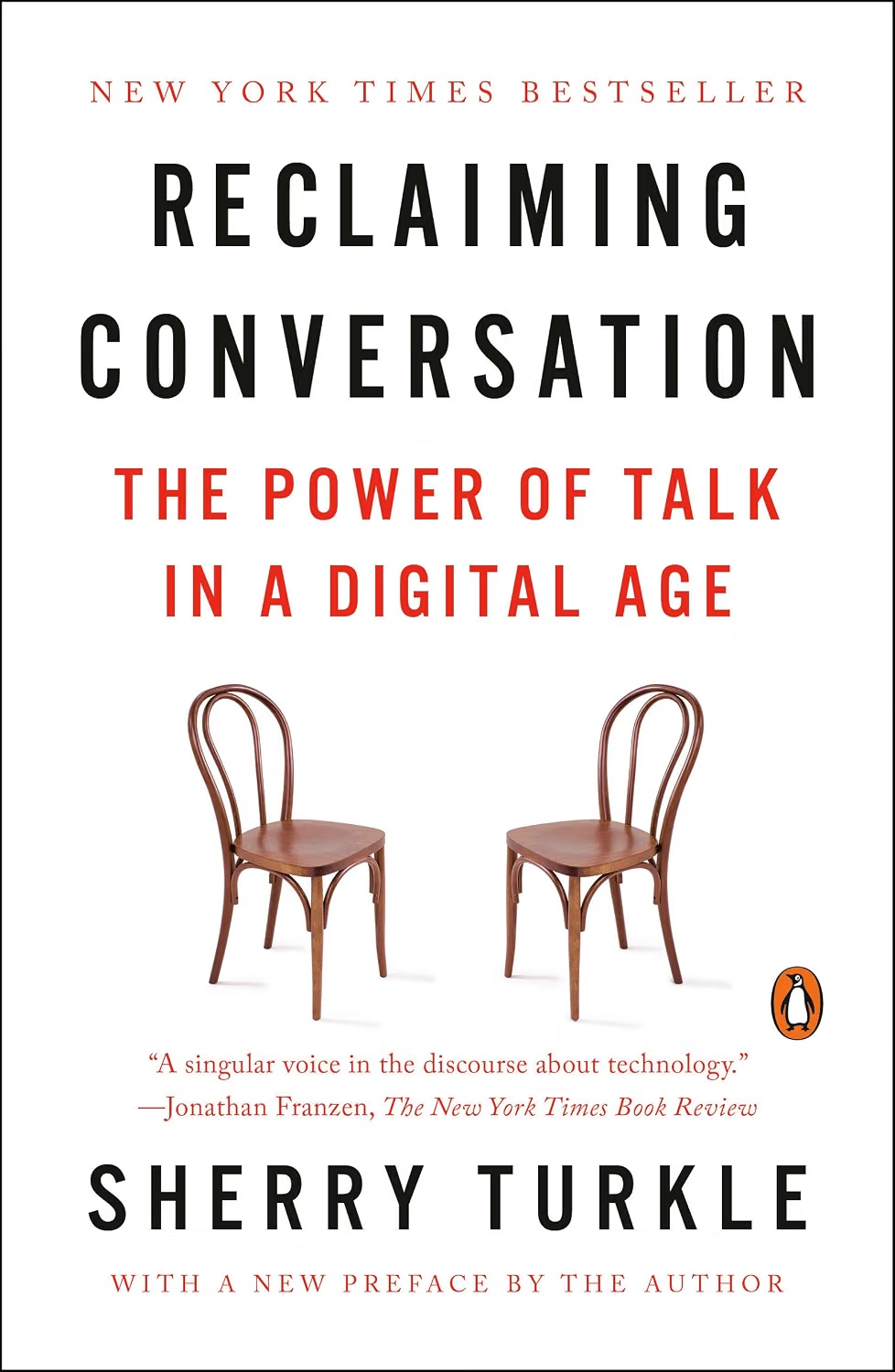
Sherry Turkle is a professor of social studies of science and technology at MIT and the founding director of MIT’s Initiative on Technology and Self. Her work specializes in the psychological and social impact of technology, with books like Alone Together: Why We Expect More from Technology and Less from Each Other, Reclaiming Conversation: The Power of Talk in a Digital Age, and her latest book Artificial Intimacy: Who We Become When We Talk to Machines.
Sherry and Greg discuss how AI is forcing society to examine and redefine “empathy,” what this moment we’re in says about technological affordance meeting human vulnerability, and why guardrails on AI for children are not enough to keep them safe from psychological damage.
unSILOed Podcast is produced by University FM.
Episode Quotes:
When AI feels like empathy
05:45: Computer brings philosophy into everyday life. It's one thing to be in seminars, to be in academic journals, and participate in generations of debates between behaviorists and psychoanalysts, psychoanalysts and neuroscientists. I've been there through the arc of that debate. It's another thing to say, "You know, I think I'll not bother to try to find a lover, a partner. I think I'll just be satisfied with my AI who talks to me as if it were one." Now, that's taking behaviorism, sounds like, says the right things, and puts it into your daily life in a way that all the debates that you're talking about, really did not.
The damage starts with “I am your friend”
32:00: Damage doesn't start when the chatbot says something destructive or self-harm or suggests violence or suggests your parents are bad. The damage to children doesn't start when the chatbot does something and you need a guardrail. The damage starts by the existence of a chatbot that says, "I am your friend."
The illusion of empathy in AI
13:14: So it's in a play, and it's entrained you to be in its play. And together, you are having a kind of pretend interaction that on paper looks like empathy is kind of happening. But in fact, there's only one person in that play, and it's you, allowing yourself to feel comforted by something that feels no empathy at all.