

November 11th, 2026
Listen to Episode on:


Watch the Unabridged Interview:
Order Books
Why Legal History Matters
What makes a law, a law? What’s the difference between rules and laws? And where did the western legal system start?
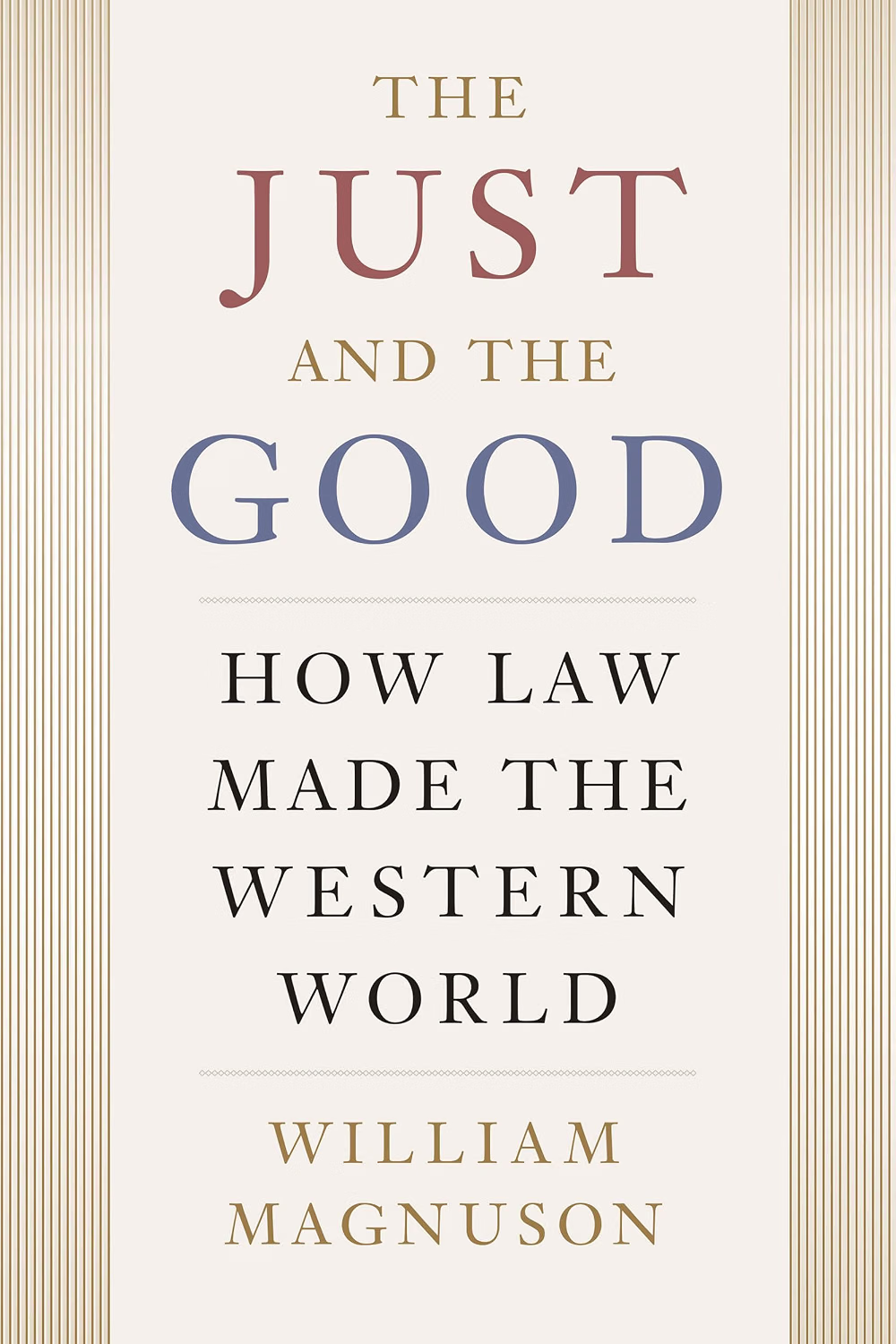
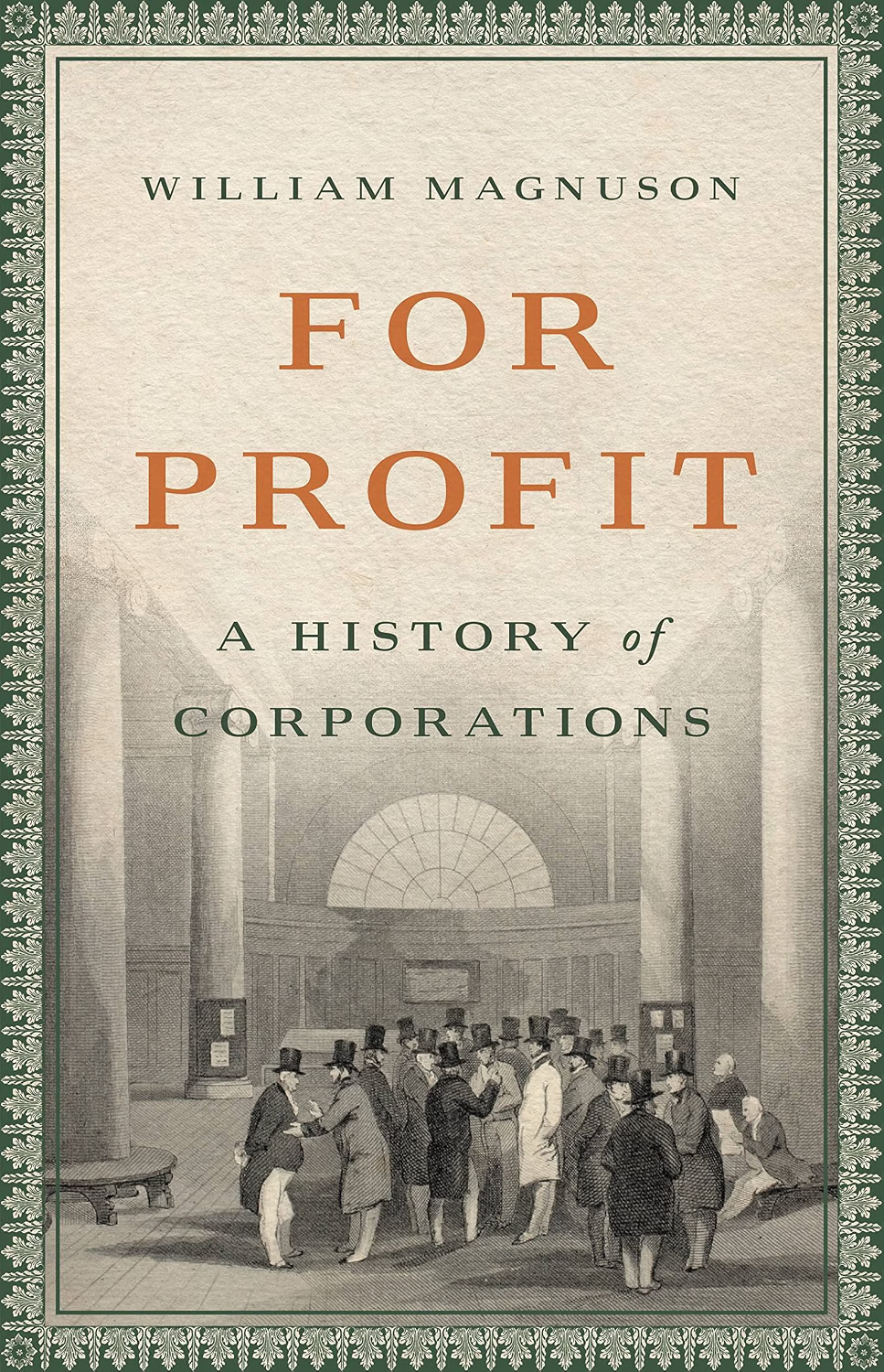
William Magnuson is a professor of law at Texas A&M and the author of The Just and the Good: How Law Made the Western World, a sweeping look at the history of the law dating back to the ancient Greeks. He’s also the author of For Profit: A History of Corporations.
William and Greg discuss why legal history is worth studying, how these systems and institutions of law were invented, and how the lessons from history can help us understand this moment of division we’re in.
unSILOed Podcast is produced by University FM.
Episode Quotes:
Can law bring us together?
05:55: One of the big dangers facing our society is the breakdown in norms of discussion, right? We no longer have the ability to be together, right? We have a reduced ability to disagree in a way that builds community. But I do think that when you go back and you study these moments, first, you realize actually we're not in that unique of a period, right? There have been many other periods in which people have also disagreed with one another, and law is the central way that we have worked out to solve those problems, how to solve disagreement in a way that doesn't necessarily render everybody happy, but it is a system that we believe is legitimate.
Law depends on belief
23:49: Law requires people to believe in it. You have to understand that this system is a system that has been built over time, and if we just simply reject it willy-nilly, then we lose the great benefits that law itself provides.
How did legal institutions came to be?
06:45: I think much of the legal system today, we think of as basically being written in stone, right? This is the way that a legal system should work, right? There should be a court that's an objective judge of the facts and the law. There should be a code where all the laws are written down and everyone can read it. There's a constitution that sort of sets forth the powers of the government and the legislature, and the executive, and the judges, right? But these were things that were invented. These ideas did not spring fully formed into the world. They were responses to real problems in societies. And so the book sort of walks readers through moments in time when those institutions were created.
Show Links:
Recommended Resources:
Guest Profile:
Faculty Profile at Texas A&M University
Professional Profile on LinkedIn