
Episode 641: Amy Gallo
April 16th, 2026
Listen to Episode on:


Watch the Unabridged Interview:
Order Books
How to Become an Expert in Conflict
Even though conflict is something we all instinctively want to avoid, it’s an essential part of a healthy culture. So what can organizations do to ensure they’re not only managing conflict productively but also leveraging it to make the organization stronger?
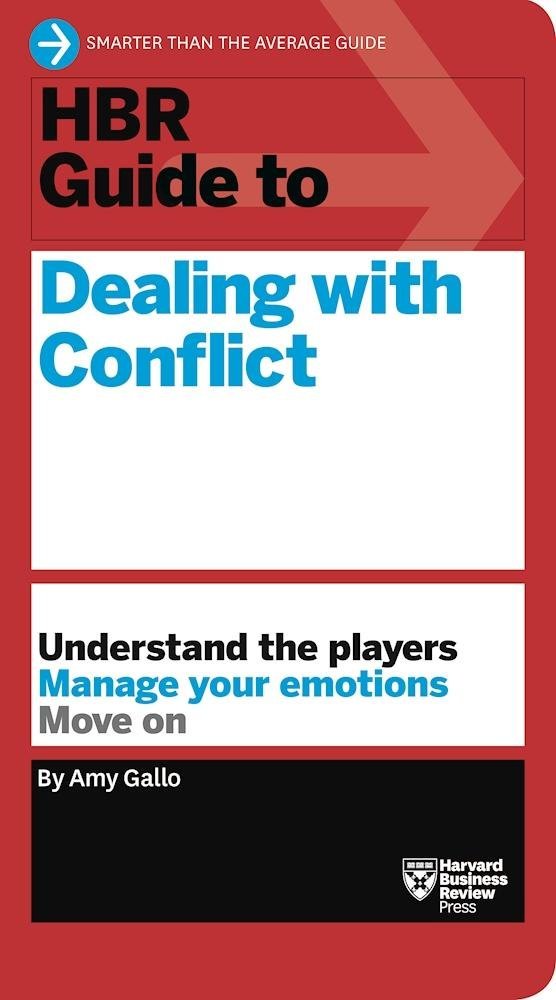
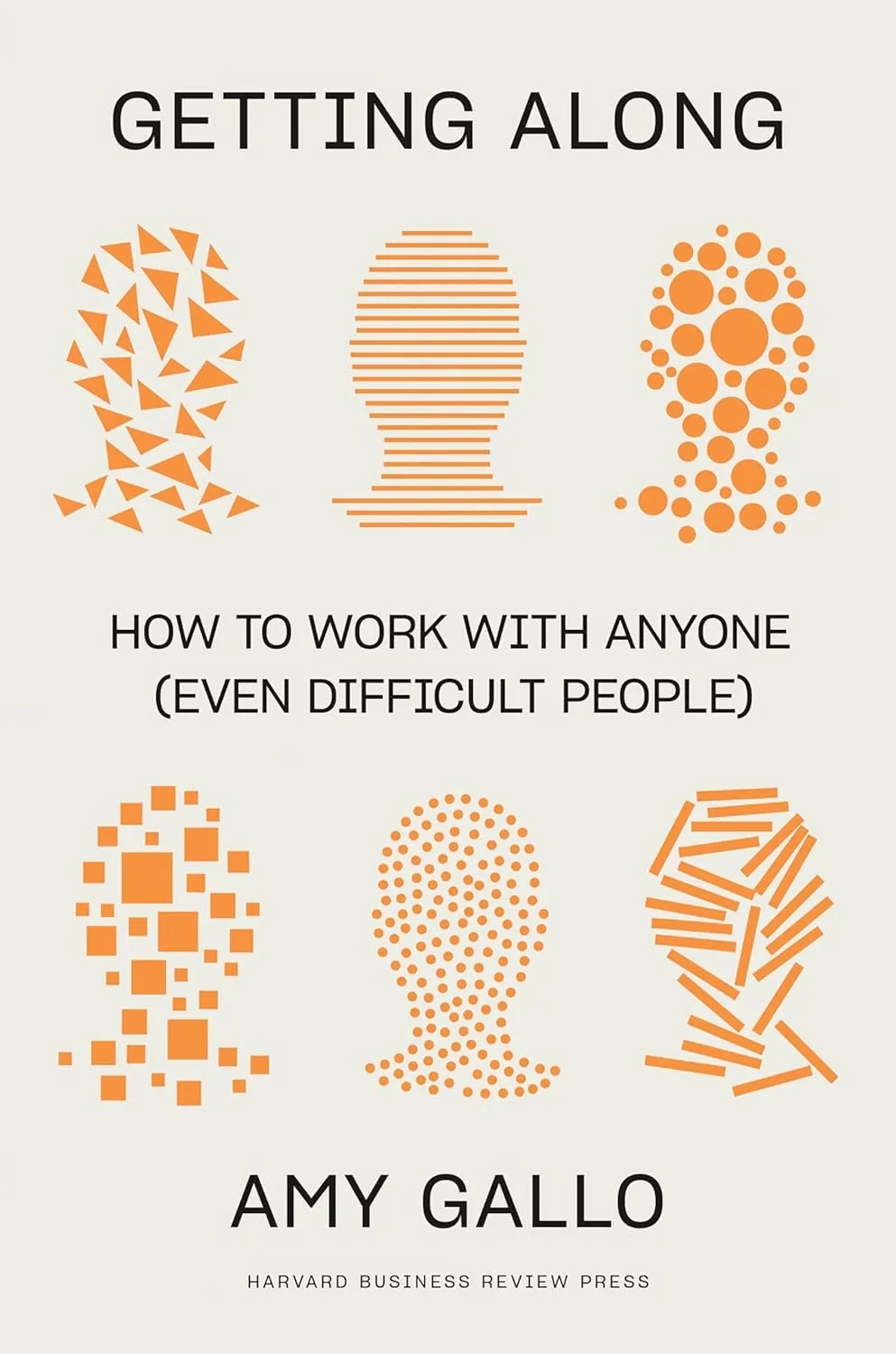
Amy Gallo is a contributing editor at Harvard Business Review and author of the books HBR Guide to Dealing with Conflict and Getting Along: How to Work with Anyone (Even Difficult People). Her research and consulting work focuses on how to effectively navigate and even utilize conflict to better your organization.
Amy and Greg discuss the necessary ingredients for fruitful conflict, the consequences of failing to manage it effectively, and run through some of the most difficult personalities people might face in the workplace and the best strategies for working with them.
*unSILOed Podcast is produced by University FM.*
Episode Quotes:
Why I disagree with you doesn't equate to I hate you
03:35: Sometimes it feels like saying, “I disagree, Greg,” is the same as saying, “I hate you, Greg.” Right? People find it so offensive; disagreement, conflict is so hurtful, damaging, when actually, if it's done well, it's incredibly productive. We get that sort of friction that you need in an organization to come up with new ideas, to improve the way we work together, to even bond with one another.
What if ego didn’t get in the way of conflict?
06:09: Conflicts would be so much easier if no one involved had any ego, which, of course, is not possible. But it's one of the things I try to do when I get involved in a conflict in my work or personal life: think, “Okay, if I wasn't defending my ego right now, how would I think about this problem?” And I think if more people could show up in that way, we'd get through conflicts much, much easier and, really, honestly, with stronger relationships intact.
Is there an optimal level of conflict?
02:32: Is there an optimal level of conflict? I've never seen research that says this is the optimal. I think right now, in our current culture, where we are with global politics, with sort of the state of the world, I think the truth is we actually need more conflict in our organizations, on our teams, than we currently have. And so the chances are that the optimal is more than you currently have.