
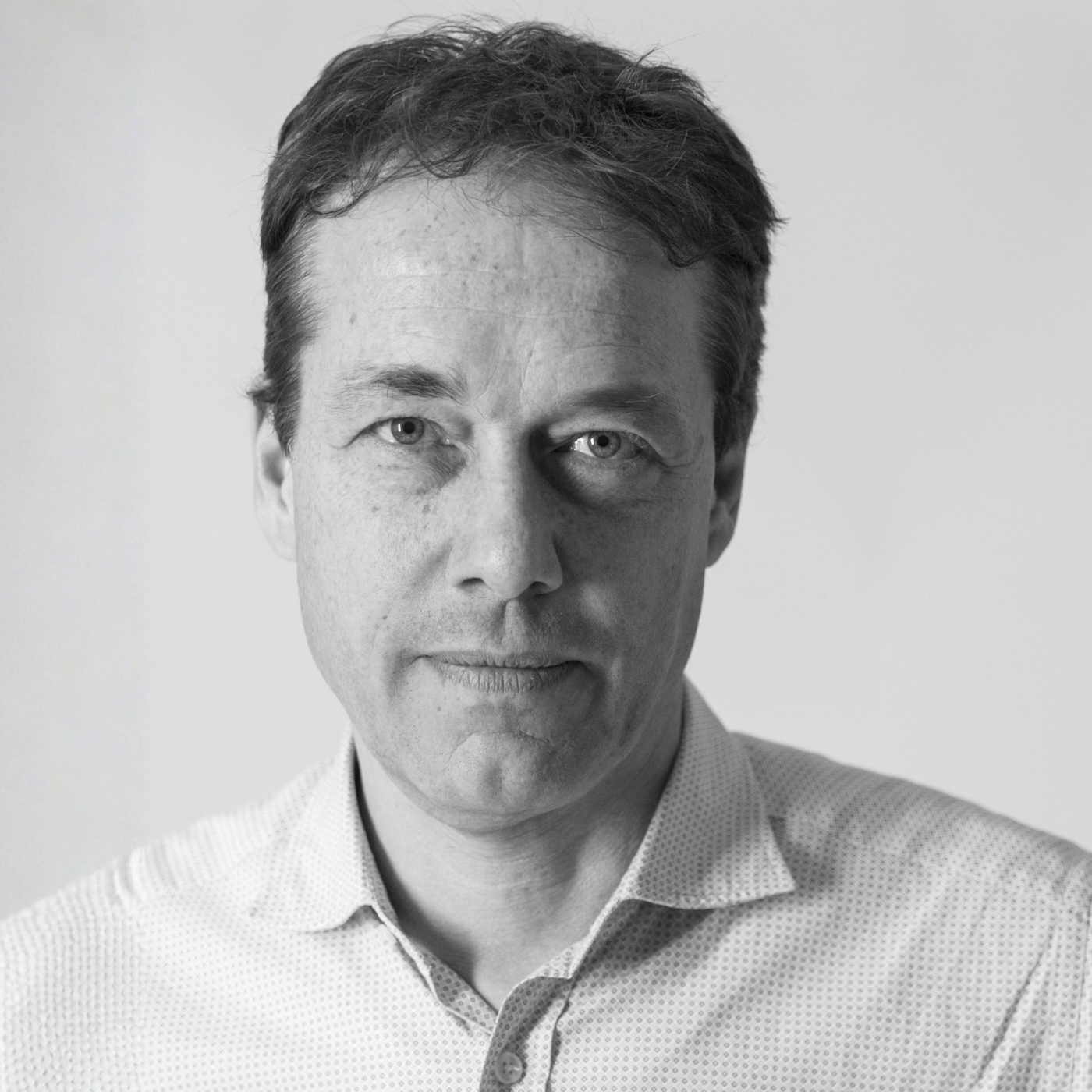
Episode 640: Sven Beckert
April 13th, 2026
Listen to Episode on:


Watch the Unabridged Interview:
Order Books
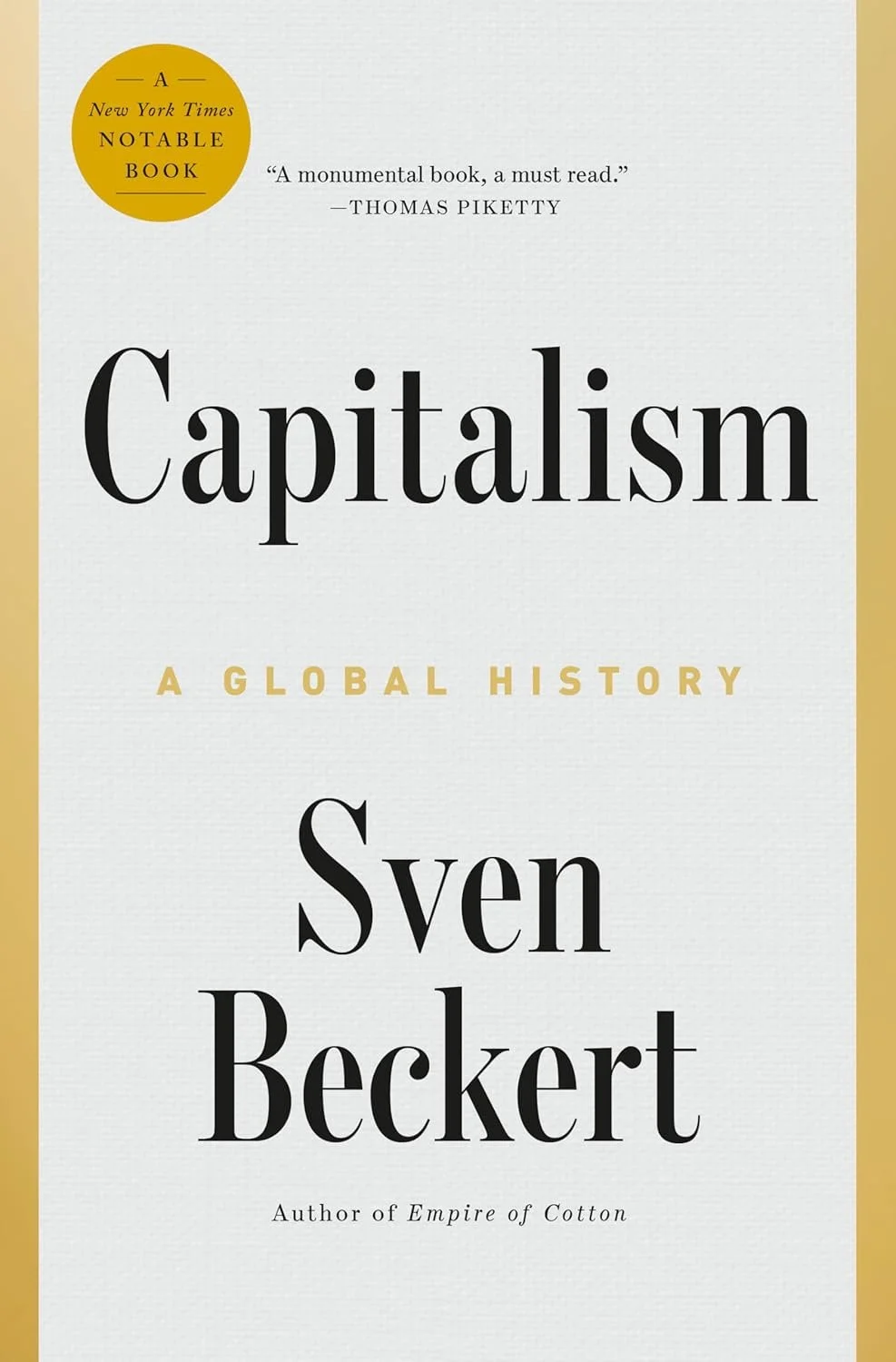
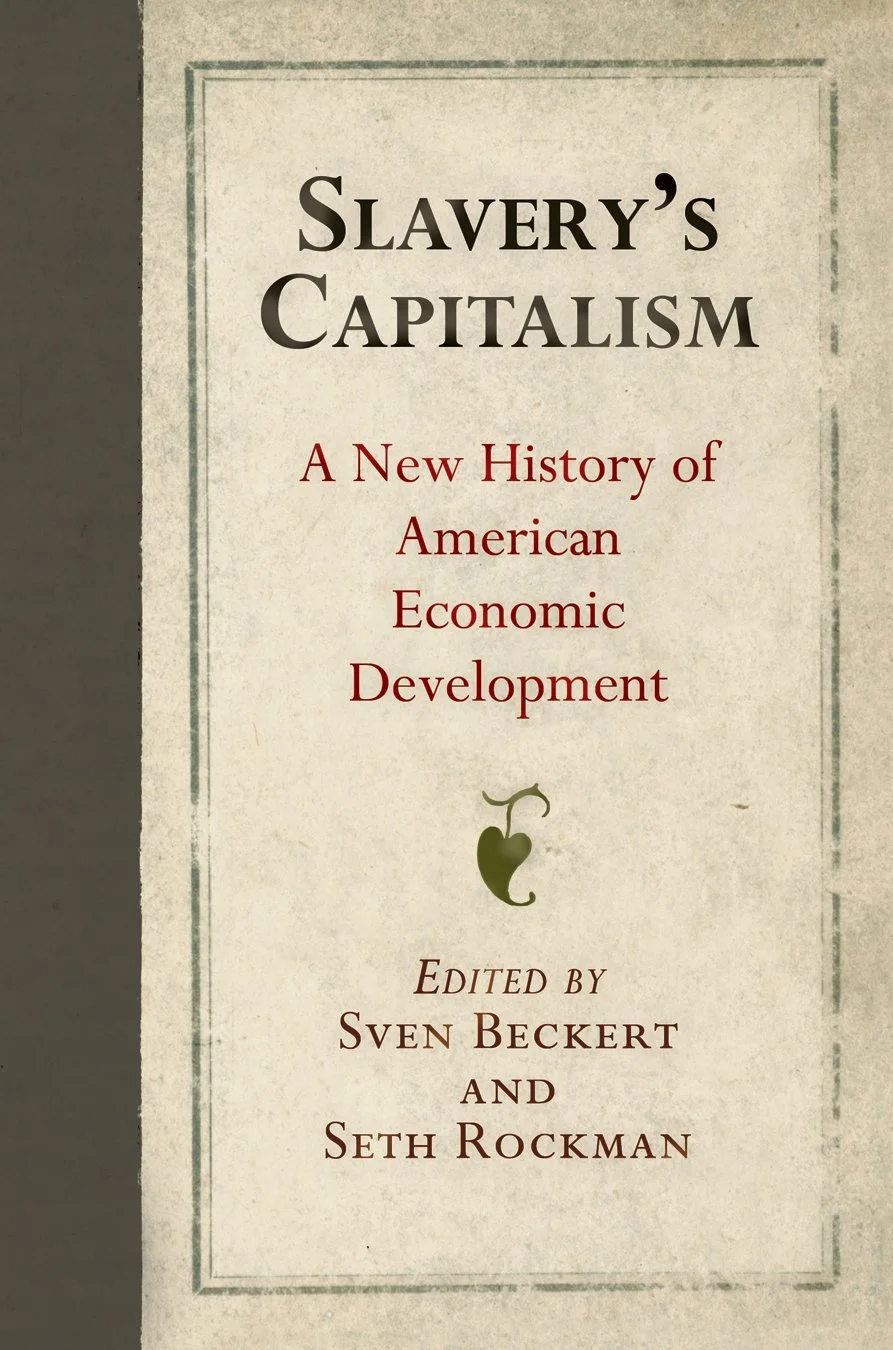
From Ancient Merchants to Modern Markets: Sven Beckert's History of Capitalism
How can you trace capitalism from long-distance merchant networks (including 12th-century Aden) to a modern-day world economy? What are alternative stories to the commonly held Eurocentric view of capitalism’s origins?
Sven Beckert is the Laird Bell Professor of History at Harvard University and is also the author of several books. His most recent titles include Capitalism: A Global History, Empire of Cotton: A Global History, and Slavery's Capitalism: A New History of American Economic Development.
Greg and Sven discuss how Sven sees the history of capitalism, contrasting it with neoliberal-leaning accounts that underplay violence, the state, and capitalism’s global character. He also offers a helpful minimalist definition—privately owned capital productively invested to produce more capital—and argues markets are universal but become central only in capitalism.
He dissects the pillars that propped up capitalism through the years, including diverse labor regimes such as slavery and indenture, noting slavery’s major but time-specific role in the Americas, enabled by European power and used to overcome resistance to capitalist transformation.
*unSILOed Podcast is produced by University FM.*
Episode Quotes:
Challenging Eurocentric narratives about capitalism
23:49: Look at the world today. We are living in a world in which no one in their right mind would, A, say, “Okay, we need to only look at the European continent to understand the global economy today.” And B. Nobody would ignore, you know, the history of Asia or Latin America, or even Africa, in telling the history of the global economy today. So, we are entering this debate now at a different vantage point. I am not saying that, you know, scholars a hundred years ago or so had some terribly ill-intentioned thought in their way of looking at this. No, they lived in a different world, and the world looked different to them. But today we are living in a world in which clearly Europe is not at the center of the universe and not at the center of global capitalism. And that now forces us, I think, to not just think differently about the present, but to think differently about the entire history of capitalism.
Capitalism is a state of constant growth
49:25: Capitalism is not conservative. Capitalism is the most revolutionary economic civilization ever. It is a state of permanent revolution. No expansion seems to be impossible within that capitalist civilization. I think it goes against its very core, what it is. It is a state of constant growth. It is a state of constant expansion.
Capitalism without markets is conceptually unimaginable
05:05: I think capitalism without markets is conceptually unimaginable, and markets, of course, play a very important role in contemporary capitalism. But I think it would be mistaken to define capitalism primarily by the fact that it is a society in which markets regulate all or parts of economic life. Because, as far as I know, I have not yet found a human society which did not know of markets. I have not yet found a human society which did not engage in some forms of trade. So I think these are kind of universal attributes of economic life on planet Earth. But what is not universal is societies in which markets are not just on the margins of economic life, as they are in many, many societies, but really are at the very center of economic life. And this is certainly the case for capitalism.
Why is capitalism essential in our lives?
39:13: Capitalism is extremely important to our lives today. It structures the biggest processes that we inhabit, but also the most intimate parts of our lives. And people are having passionate opinions about capitalism. They want to understand how we claim to live in the world in which we live right now.