
Episode 657: Carissa Véliz
June 4th, 2026
Listen to Episode on:


Watch the Unabridged Interview:
Order Books
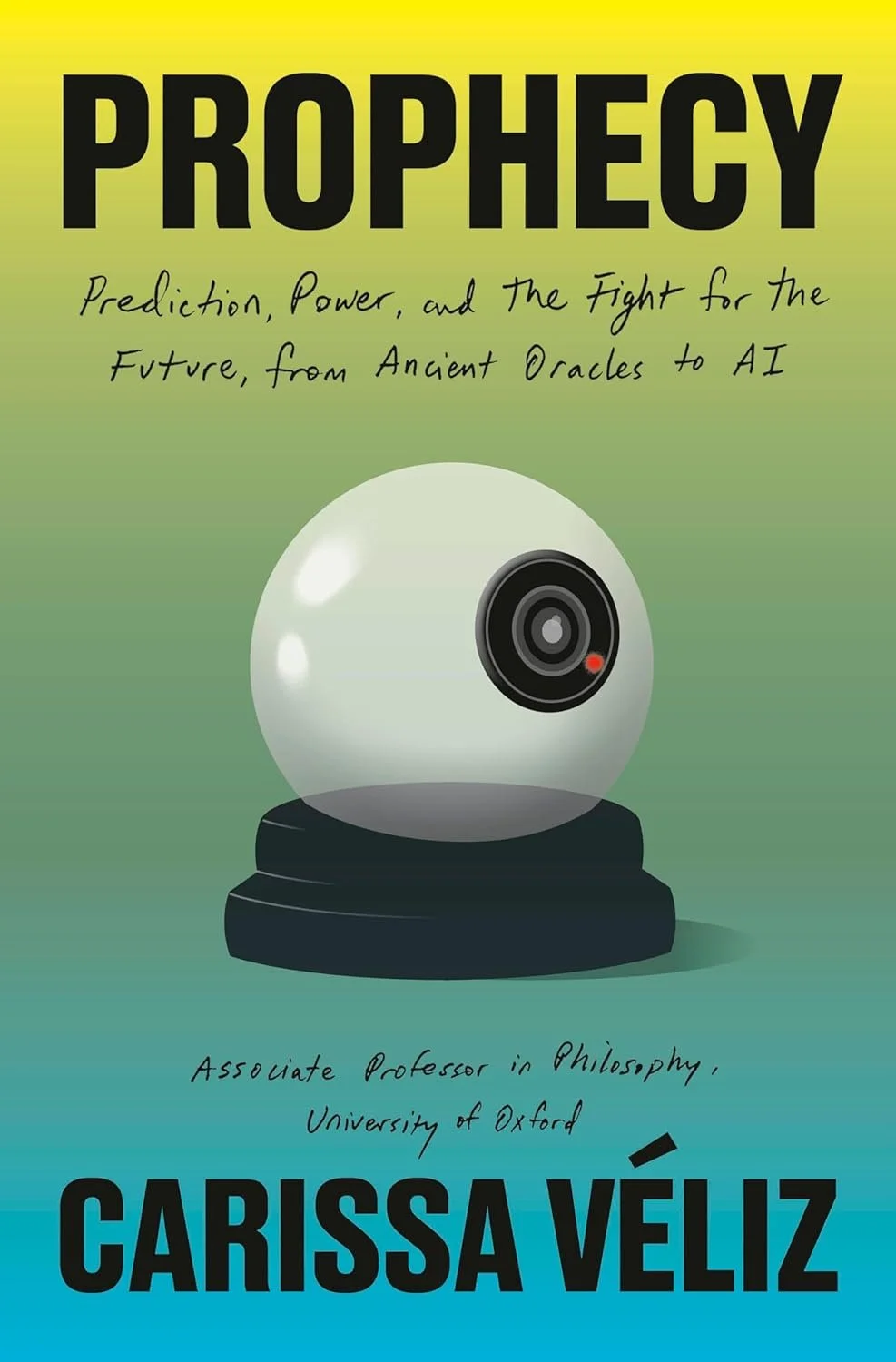
Prophecy and Prediction: Exploring AI’s Future
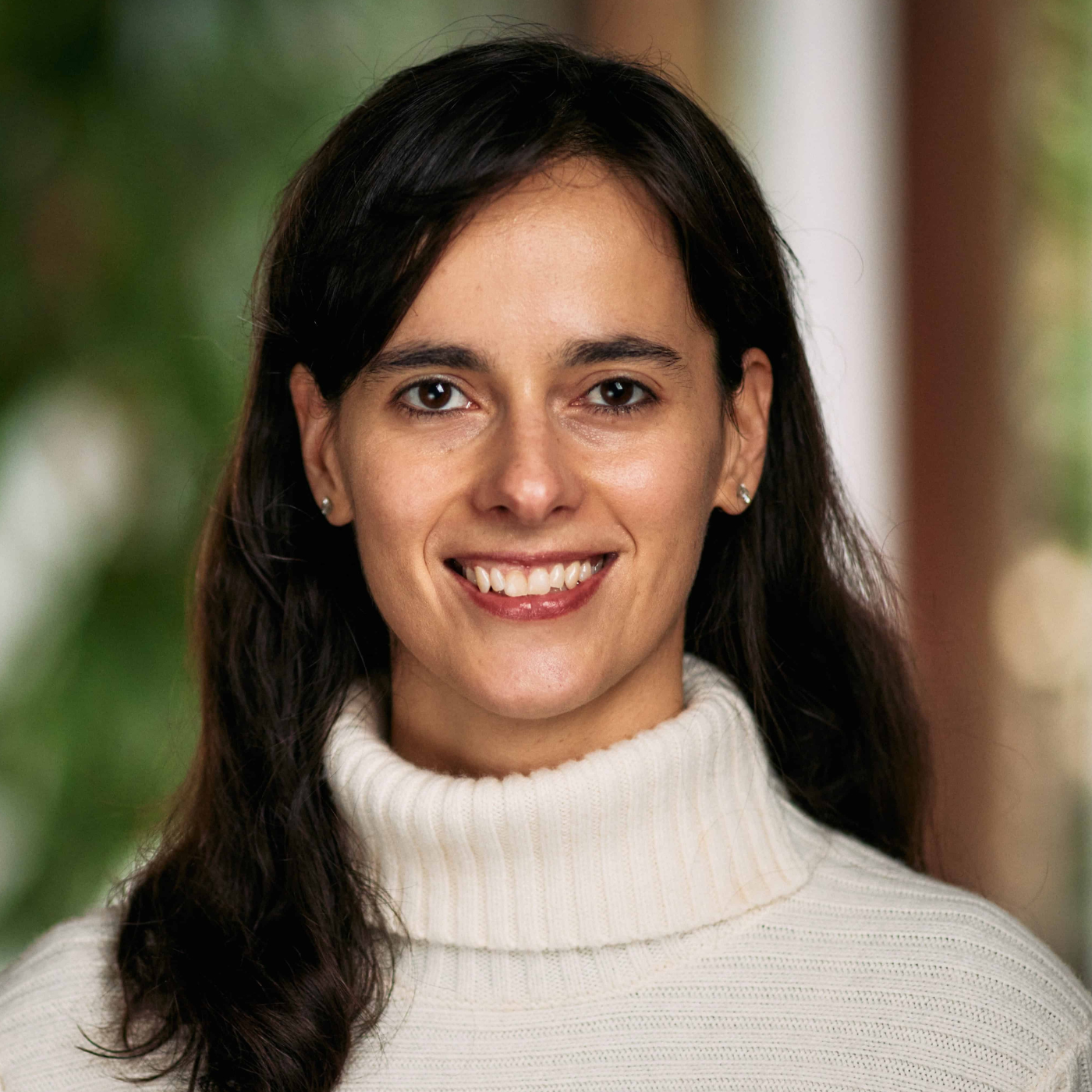
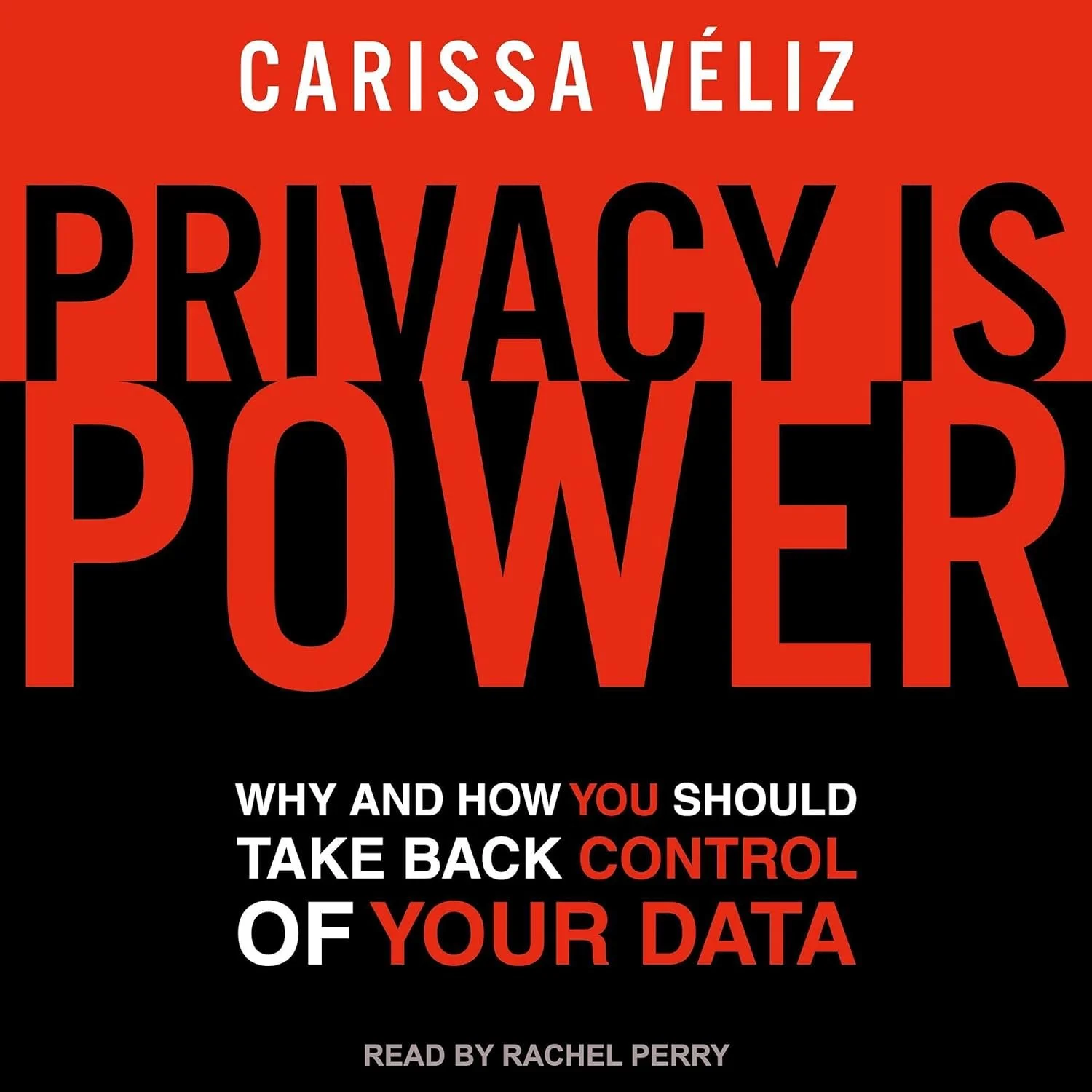
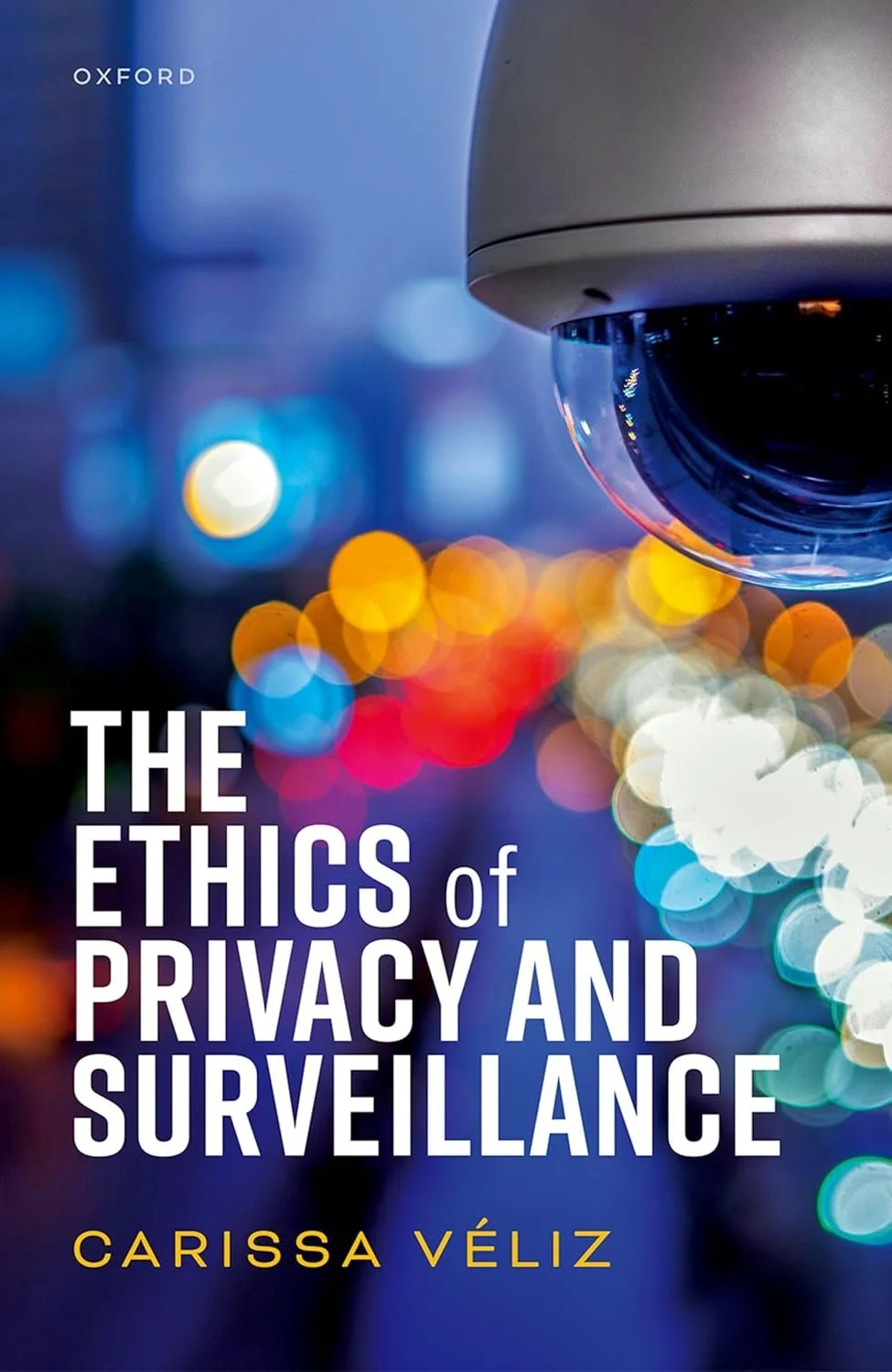
Carissa Véliz is an Associate Professor in Philosophy at the Institute for Ethics in AI, a Fellow at Hertford College at the University of Oxford, and the author of multiple books, including, most recently, Prophecy: Prediction, Power, and the Fight for the Future, from Ancient Oracles to AI.
Greg and Carissa discuss Carissa’s newest work, where she links prediction to surveillance and argues that forecasts are speech acts that intervene in the world, often becoming self-fulfilling or self-defeating. She says humans seek prophecy to relieve anxiety, but this grants power to predictors and can undermine autonomy, democracy, and fairness, especially via opaque algorithms, social-credit-style control, and pattern-matching decisions like lending.
Carissa urges transparent, contestable criteria, skepticism about incentives behind predictions, and treating unwanted forecasts as invitations to defy rather than “obey in advance.” Their conversation critiques utilitarianism and effective altruism for relying on long-term prediction, discusses fatalism and moral luck, and advocates resilience, scenario planning, Epicurean agency, and literature as an antidote to doomscrolling, shrinking attention, and AI-driven cultural convergence.
*unSILOed Podcast is produced by University FM.*
Episode Quotes:
When forecasts become commands
25:28: Instead of obeying predictions by believing them uncritically, I suggest that we interpret them as invitations for defiance. And maybe some predictions you do not want to defy. Maybe some predictions you're like, “Okay, yeah, I like that future, and I'm on board.” But with the ones that you don’t like, I think the correct attitude is, “No, we're not. No, we're not. That's not where we're going.”
Can predictions bend reality?
25:34: When we believe that prediction uncritically, when we listen to it as if it were a fact, because grammatically it sounds like a fact, what we are doing is obeying implicitly in the sense of Timothy Snyder, of obeying in advance before we are issued an explicit command. When we interpret predictions as facts, we implicitly obey in advance.
Obeying in advance
23:54: When we believe that prediction uncritically, when we listen to it as if it were a fact, because grammatically it sounds like a fact, what we are doing is obeying implicitly in the sense of Timothy Snyder, of obeying in advance before we are issued an explicit command. When we interpret predictions as facts, we implicitly obey in advance.